Welsh Highland Heritage Railway, Porthmadog: Have a Go at Driving a Steam Locomotive

It is every boy’s dream to be an engine driver, riding the rails in the cab of a mighty steam locomotive. That Hornby-fuelled footplate fantasy can come true, though it is less Orient Express and more Ivor The Engine at the charming little North Wales line run by The Welsh Highland Heritage Railway in Porthmadog.

Narrow Gauge Railway Line

This family-friendly attraction is a narrow gauge line with engines that chuff-chuff along a three quarter mile stretch of two feet wide track on the northern edge of this Snowdonia railway town.

The volunteer-run railway offers an evening steam engine driver experience, joining the driver and fireman in the cab of Gelert the tank engine for the last trip of the day (usually the 4pm train).

After letting off the passengers, the guest driver gets a short introduction to the engine controls and the rail regulations. Then, under supervision, they take the vintage loco up and down the line by itself before returning to collect the carriage to do it again.

The Mountains of Snowdonia

The setting is scenic, on a plain between the River Glaslyn, the landlocked former sea cliffs of Tremadog and the mountains of Snowdonia.

With the line from Porthmadog to Pen-Y-Mount less than a mile long, it means that the guest driver gets to try main line running and turning the train round in a short space of time. They can even help with the dirty jobs of ashing out afterwards and shovelling on the coal for the next day’s work.

Side Tank Locomotive 3050, also known as Gelert, should not be underestimated despite its small size compared with a standard loco engine. This pugnacious 16-ton veteran of the South African mining industry, built by WG Bagnall Ltd of Stafford in 1953, snorts and grunts like a boxer and whistles up a storm.

Bacon Cooked on the Fireman’s Shovel

The guest driver will learn how to ease open the regulator, gently apply the air brakes and vigorously turn the wheel for the mechanical brake, and while in motion to maintain the correct speed and watch out for the SW signs, the chance to pull the chain which releases Gelert’s shrill wail.

The evening experience currently costs £65. There is also full day driving experience with Gelert available for £250, which begins with a breakfast of bacon cooked on the fireman’s shovel. Both experiences are only available to over 18s.

Great Little Trains of Wales

The Welsh Highland Heritage Railway is one of the Great Little Trains of Wales and Attractions of Snowdonia. It is especially fun for families with small children as a ticket entitles you to ride all day. Also, the engine sheds have interesting displays and a miniature railway ride.

Porthmadog (its name officially changed from Portmadoc in 1974) is also home to the narrow gauge Ffestiniog and Welsh Highland railways at the harbour side of the town, and has a main line station linking up with the national rail network.

Dog Sledding In Sunny California: Without having to venture up to Alaska

Have you ever dreamed of living out your own Call of the Wild fantasies? Does the very thought of racing through the uncharted snow with the wind in your face and at a speed of grace and extreme quickness give you a rush of excitement? Dog sledding can be a thrill for all, and the best part is, you do not need to head to Alaska to experience it.

Yes, when people think of California they tend to think of the beaches, palm trees, the ocean, and oh yeah, the sun. While yes this is a part of sunny Southern California, it is actually not the whole part. Ever think that you could live out your fantasies of participating in your very own Iditarod right here in California? California is actually home to some of the best snowboarding and skiing in the whole country, and on top of all that, you can even partake in dog sledding, all within just a half a days drive from Los Angeles.

Mammoth, California

About a four hour drive away from Hollywood, you will find yourself in the beautiful, picturesque mountains known as Mammoth, California. Home to amazing hikes, a cable car, and yes, dog sledding. Here you can live out your own dreams of running these majestic Siberian Huskies throughout beautiful snow covered paths. A great experience in any person’s life is to experience the beautiful Eastern Sierra by dog sled.

Mammoth Dog Teams

Mammoth Dog Teams provides traditional dog sleds and gives authentic treks through the snowy covered grounds. They use a mix of Siberian Huskies and Malamutes to pull each of the sleds. Mammoth Dog Teams offers various tours including a Dog Sled Dinner Ride where you are whisked away to watch the sunset over the Sierra then on towards the Mountainside Grill for a great dinner. They also offer overnight camping trips into the Sierra Backcountry by way of dog sled. The owner, Jim Ouimet, gives each person attending this unique trip their own camping gear, sled, and dog team. For current prices and to reserve a spot on any of these mentioned tours, feel free to call Mammoth Dog Teams at (760) 934-6270. Trips leave from the Mammoth Mountain Inn.

Prices

Dog sledding, although an amazing experience, can be a tad on the more expensive side. Prices can vary, and will of course depend on which tour you decide to take. An average fare for children can be around 25 dollars, while prices for adults can reach around 80 dollars. The current prices for a 50 minute tour with Mammoth Dog Team is 50 dollars for children, and 90 dollars for an adult. Children 3 and under ride free with an adult. A 25 minute tour with them costs 65 dollars for adults and 40 dollars for children. These tours are very hands-on and do offer you the chance to meet the dogs and are allowed time with them. It is not a generic ride at some theme park, you will be given a chance to really get to know your team.

Dog sledding will be an adventure you will not soon forget. The wind in your face, the hues of soft greens and whites as you race by endless tress, the excitement of the sound of the dogs barking are all amazingly great reasons why a dog sled trek through Mammoth is an ideal trip to make. For a sheer thrill of an adventure, dog sledding cannot be recommended enough.

Dog on It by Spencer Quinn: A Chet and Bernie Mystery

Things aren’t going so well for Bernie, a private detective, and his canine sidekick/partner, Chet. Their vintage Porsche is ready for the strap yard, Bernie’s ex-wife is calling daily about Bernie’s son’s tuition, and it’s been a while since their last profitable job. That’s why when the mother of a missing teenage girl named Madison comes to Bernie frantic, Bernie is quick to take the job even though he suspects that the girl has purposely gone missing for a few hours. It has something to do with the $500 advance that the mother dangled in front of his face.

Meet Chet

Chet, Bernie’s partner, is a wise and lovable detective who lends his canine intuition and superior sense of smell to the pair’s investigations. He’s a mixed breed who flunked out of K-9 class (something to do with the inopportune appearance of a stray cat). However, he’s a detective through and through.

Missing Madison

The case of the missing girl, Madison, seems to solve itself when she returns unharmed later that day. However, the girl’s story doesn’t make sense and is full of inconsistencies. When she goes missing a second time several days later, both Bernie and Chet are suspicious. Ultimately, the case will lead them to Vegas and beyond and put both Chet and Bernie too close to death.

A Canine Cozy

Dog on It is a refreshing addition to the cozy mystery genre. There have been plenty of mystery series that feature cat detectives. (Rita Mae Brown’s Mrs. Murphy and Lilian Braun Jackson’s Koko and Yum-Yum come to mind.) However, until now, dog detectives have been woefully neglected. Dog on It changes all of that.

This fast-paced and well-constructed mystery is told completely from Chet’s point of view and gives the reader fun insights into the inner workings of a dog’s mind. For instance, what are dogs really thinking when they look at you with those sad, sad eyes or go tearing across the lawn without notice. On the cover of the book, Stephen King says that “Dog on It has more going for it than 50 of those cat cozies.” He might just be right.

Is an Australian Cattle Dog the Dog for You? Learn Important Information About This Breed

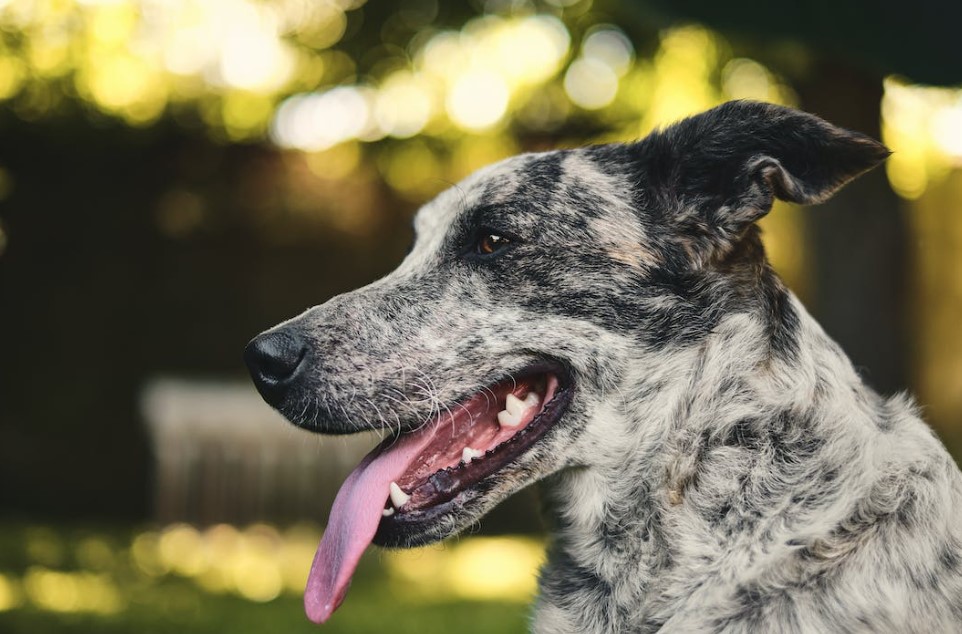
Australian cattle

Choosing to bring a dog into your home is a big decision that should not be taken lightly. In order to find your perfect pet, you should make sure you select the breed that is appropriate for your lifestyle and personality. If an Australian Cattle Dog is the breed you are considering, you are probably looking for a medium-sized dog with lots of energy and personality.

History of the Breed

The Australian Cattle Dog, as the name suggests, was originally bred to herd cattle. The breed is actually a mixture of Dalmatian, Bull Terrier, Blue Collie and Dingo. They are often referred to as “Blue Heelers,” due to the specks of blue often found on their coat as well as their tendency to nip at people’s heels.

Size and Activity Level

Although this breed is medium-sized – about 17-20 inches tall and 35-50 pounds – don’t let its size fool you. Australian Cattle Dogs are extremely active. In fact, these dogs are often more energetic than much larger breeds. As a result, potential owners must be willing to give this dog the exercise it needs. Apartments, therefore, are not recommended. At a minimum, you must be willing to take this breed on 2-3 daily walks. It is preferable, however, to give the dog a “job” such as obedience training or dog sports. Australian Cattle Dogs are known for their agility and stamina, which makes them great Frisbee players and jogging partners.

Temperament

In terms of personality, a more loyal dog is difficult to find. The breed is very easy to train and aims to please its master. At the same time, however, Cattle Dogs are usually a “one-master” type of dog, meaning they tend to bond more closely with one owner than another. Yet despite their loyalty and eagerness to please, the Australian Cattle Dog is a very cautious breed. They are highly suspicious of strangers and tend to bark a lot. Although these traits make them superb watchdogs, they can become aggressive toward strangers.

Relationship to Other Pets and Children

If you’re looking for a companion for your current dog, the Australian Cattle Dog should be considered only if you’re purchasing him or her as a puppy. Adult Cattle Dogs usually do not interact well with other dogs unless they have known them since puppyhood. The same is true for children.

Grooming Needs

Although the breed has short, coarse hair, they are fairly heavy shedders. Individuals suffering from canine allergies, or those who simply do not like the thought of dog hair all over their home, should refrain from purchasing an Australian Cattle Dog. On the plus side, the breed has minimal grooming needs and aside from occasional bathing, needs only to be brushed during shedding seasons.

Health

Australian Cattle Dogs typically live about 12-15 years, which is consistent with similarly-sized breeds. The breed’s most frequent health ailments are blindness, arthritis and reproductive problems.

Overall, the Australian Cattle Dog is an ideal pet for active owners who want an exercise companion, does not mind barking or shedding and is willing to give this dog the attention he or she needs.

If, however, you’re looking for a lapdog that doesn’t require much energy, you should definitely steer clear of the Australian Cattle Dog.

Choosing a New Puppy: Pedigree or Crossbreed, Considering a Dog’s Health

Without the interference of man, dogs reproduce offspring whose characteristics are determined by natural selection. Mating selected dogs with the aim of maintaining or producing specific qualities and characteristics has long been practised. Selective breeding has a place in the history of man and his relationship with his canine friend. By breeding useful dogs and killing the wild ones, man has been developing certain types of dogs since pre-historic times.

Good Breeding Practice

Nowadays, the Kennel Club promotes good breeding practice and encourages prospective breeders to have their bitches checked with veterinary surgeons. Whereas reputable dog breeders need to have a good knowledge of the science of generics, many animal rights people see breeders who breed dogs as unethical.

Selective Breeding

For many dogs, selective breeding for cuteness or conformity to a certain breed standard is seriously affecting their quality of life. The state of a pedigree dog’s health and life expectancy is being compromised by man’s desire for pure race of dog. With high incidences of congenital deformity and hereditary diseases, the wish for purity of blood lines could become a generic disaster.

Inbreeding

Some argue that a crossbred dog is a healthier option because there is little chance of inbreeding. Many consider breeders encourage inbreeding, which can increase the chances of hereditary diseases and can compromise a dog’s immune system. Inbreeding can also lead to a bitch’s decreased fertility or her giving birth to smaller litters.

Genetic Defects

Breed Clubs have often done extensive studies on the common genetic defect of their particular breed. Some breeds of dogs are particularly at risk from being genetically compromised. The pekinese, a Chinese breed of small dog introduced into Europe in 1860 with its long silky coat and pug nose, is a cute dog. Nobody wishes to see breeds of dogs die out but most agree that health must come before type.The friendly Cavalier King Charles spaniel are prone to heart murmurs and neck pain which may need ongoing treatment and sadly can prove fatal. The bulldog, once used in bull-baiting, with its square jaw and powerful grip, is another breed of dog at risk. Innate health problems are also associated with pugs with their flattened faces and tiny noses which cause breathing problems and bulging eyes which are susceptible to infections.

Choosing the Breed

For potential owners, it is essential to do your homework about the breed so that you are aware how best to care for your new puppy. Acquaintance with the breed’s possible heath problems is essential. By choosing a crossbreed, the demand for a healthier pet is the message being given to breeders.

Pure Fire In A Bottle: A Review of Mad Dog 357 Hot Sauce

I was excited when I opened the package Christmas day from my wife and realized that my hot sauce collection was about to grow. But although I had heard of the hot sauce in my hand, I had never personally experienced its taste or its punch. That would soon change.

A hot sauce that captures the eye, before the palate

Mad Dog 357 comes in a very handsome 5 oz. bottle with a cartoonish canine mascot on the front with an almost “cheshire cat” grin, as if attempting to lure in the unsuspecting connoisseur. The “357” logo is boldly presented in the center of the bottle with the warning above it, “this sauce will blow you away.” Additionally, there is a disclaimer reading, “this sauce is very hot–use it at your own risk.” If that isn’t enough warning, there is a rather satirical(but legal) disclaimer on the side of the bottle in which the buyer agrees, among other things, that he or she is not “inebriated or otherwise not of a sound mind” before using the product. The appearance of the hot sauce itself is dark brown/red and rather thick and peppery.

A hot sauce with a lot of bite

Just as it claims, this sauce is fiery hot–and not for the faint of heart. But the taste is nearly as impressive as the heat, and reminiscent of a rich and robust barbecue sauce. The flavor is pungent but pleasant. There is a distinctly sweet tang to it, complemented by the peppery boldness. And then there is the heat–meriting a four-pepper rating on such popular hot sauce web sites as hotsauce.com. Mad Dog 357, as the name implies, boasts 357,000 Scoville heat units, the scale used to measure the amount of capsaicin in peppers, or, to put it more simply, how fiery the chili peppers are to the palate. That may not seem like a very high number compared to other hot sauces available today that register 600,000 units or more, but don’t be fooled–Mad Dog, being an extract sauce, has a heat that tends to “hang around” rather than dissipate quickly as with other sauces.

A hot sauce that fully satisfies

Mad Dog’s heat, just to underscore, is super-intense. I find that just 2-3 drops is enough to bring on the watery eyes, runny nose, and an endorphin rush that persists for roughly 10 minutes. This is a sauce that should satisfy even the most finicky chiliheads. It is bold, full of flavor, and pours thick and slow. But a final word of caution, especially for rookies: keep a glass of cold milk or a serving of ice cream close by. As veteran chiliheads know all to well, water, soda pop, or any other carbonated beverage provides zero relief for chili-burn. I’m looking forward to trying other varieties of Mad Dog in the future. Mad Dog hot sauces are manufactured by Ashley Food Co.

Blue Heelers – Australian Cattle Dogs: Breed History of the Cattle Dog

In 1840, Thomas Hall of Muswellbrook, New South Wales imported two Blue Smooth Highland Collies and crossbred their offspring with the wild Australian Dingo. This produced either red or blue speckled puppies. Satisfied with this breed, Hall kept them exclusively on his cattle ranch until his death in 1870.

Thomas Bentley obtained one of Hall’s Heelers, as the breed had become known, and widely used the animal as a stud because of its outstanding attributes and because it was an outstanding worker. The dog possessed a white blaze on the forehead, now referred to as a Bentley Mark, and a black tail root spot. This marking set seen on animals of today is believed to have come from Bentley’s dog.

New Blood in the Cattle Dog

Later in the 1870s, a butcher named Alexander Davis bought a pair of Hall’s dogs and bred some Bull Terrier into the breed. It was said this strain was eventually phased out, but some evidence of Bull terrier is occasionally seen today.

A pair of brothers, Jack and Harry Bagast, bred one of Hall’s females to a Dalmatian. All Austrialian cattle dogs today, whether they are red or blue are born solid white, just as Dalmatians and begin developing their color after six weeks of age.

The Bagasts also added some Black and Tan Kelpie to the mix. This final new blood set the breed type, giving the blue dogs the occasional tan markings and gave the red dogs deep red spots. These dogs became known as Queensland Heelers or Queensland Blue Heelers.

Breed Setting of the Cattle Dog

In 1902, Dr. Robert Kaleski drew up the first breed standard for the Cattle Dog. The breed became know as Australian Heelers and eventually, Australian Cattle Dogs.

Dr. Alan McNiven, an Australian veterinarian, infused more Dingo blood back into the breed and his dogs were imported heavily into the United States. Upon discovering McNiven was crossing purebreds with the Dingo, the Royal Agricultural Society Kennel Council banned him from showing and removed all his animals from registry.

When the American Kennel Club took over the registry in 1979, the breed was officially recognized in 1980 as the Australian Cattle Dog.

Cattle Dog Behavior

Blue Heelers or Cattle Dogs are extremely loyal animals and can sometimes be known as “a one man dog.” Extremely intelligent and with high problem solving skills, these animals are highly pleasurable to own. They are medium sized, ranging from 30 to 45 pounds and are easy to care for. They require a lot of room to run and are happiest when given a task to accomplish.

Dog Friendly Beaches in Miami and Ft. Lauderdale, Florida

As summer approaches, families decide where to go for vacation. South Florida has several beaches where tourists visit during the summer months. Parks and recreation areas allow people to bring their dogs. However, beaches are patrolled by officers who ask tourists to leave if a dog is present. Visitors who want to bring their dog can visit these beaches and let the dog play in the water and sand without repercussions.

Miami Beach – Rickenbacker Causeway, South Pointe Park

Rickenbacker Causeway is a toll road between the main Miami city and South Beach. On each side of the road is a park area on the ocean. Picnic tables are also available for lunch on the beach. The causeway does not have large beaches, and since it’s next to a major road, it is recommended that dogs stay leashed.

South Pointe Park is off of Washington Avenue, a trendy area of South Beach filled with restaurants and clubs. This park is not directly on the beach, but it contains playground equipment to bring kids as well. Dogs are required to wear a leash.

Ft. Lauderdale – Canine Beach

Canine Beach is located on A1A (the main beach strip in Ft. Lauderdale). The beach strip starts at Sunrise Boulevard (one block north of downtown Ft. Lauderdale) and continues north for 100 yards. This park is perfect for tourists to South Florida who vacation on Ft. Lauderdale beach hotels or the surrounding area. The main advantage of this beach is that it is an off-leash area, so dogs can run freely.

Palm Beach – Jupiter Beach

Palm Beach is very strict with dog laws in beach areas. Park rangers cruise the area ticketing tourists who bring dogs on the beach. The only dog friendly beach is Jupiter, which is in northern Palm Beach. A 2.5 mile stretch of beach from Jupiter to Juno Beach allows dogs. Dogs are allowed off-leash to play on the beach provided owners clean up after their pet. The dog friendly beach starts north of the Carlin Park lifeguard area and continues north to the Juno Beach lifeguard area.

These beaches allow tourists to take their pet with them on vacation to South Florida. Before planning a trip, ensure the hotel is also dog friendly. Bring flea and tick spray, and plan to wash the dog regularly after running in the salt water and sand. Most parks require a leash, so purchase a new one with a long chain to give the pet plenty of room to run.

Getting a Dog for Your Cat: Five Things to Consider before Adding a Dog to Your Cat Household

Taking these five things into consideration before getting a dog will help you determine how your cat and dog will interact with each other and give you the best chance for a peaceful multi-pet household.

Sexual Status:

Consider the gender of the new dog carefully. Male dogs more often guard “space” while female dogs tend to guard “objects”. For instance, while a male dog may lay claim to your backyard, a female dog will control the toys in the backyard. However, both male and female cats tend to guard space, so a good pairing for a cat would be a female dog. The cat can guard the space and the dog can guard the objects.

Spaying and neutering both dog and cat can also reduce aggression and other hormone-related problems, especially if performed before sexual maturity.

Heritage:

Although it is possible for any dog to get along with cats if trained to respect them from puppyhood, some dogs are less cat-friendly than others. Terriers and sighthounds are designed to hunt and kill animals and may not understand that your cat isn’t prey. If you plan on getting an older dog, it may be best to stay away from these or any other breeds with a high “prey drive” unless the dog is known for his friendly disposition towards cats.

Age:

A kitten under six months may be at a stage in her life where she’s more willing to be friends with your new dog. If instead your cat is geriatric, make sure she’s allowed her space so that she isn’t stressed by the dog.

Keep in mind that a young puppy will be more willing to accept a cat than an older dog that’s never been around cats. A puppy will also be easier for your cat to “train” before he gets too big to manage.

Health:

If your resident cat is unhealthy, chances are she doesn’t feel good enough to welcome the new dog. Adding the dog could also increase her stress level and lower her immunity, making her feel worse. It’s best to make sure she has recovered before introducing her to the dog.

Environment:

The environment in your new multi-pet household will affect how well your cat and dog get along. Too many pets with too little room can raise stress and increase the chances of aggression. If there isn’t much floor room for your cat, install cat trees before getting a dog. This will add more space and give your cat a place out of your new dog’s reach.

Another thing to consider is keeping your cat’s litter box and food bowls where your dog can’t invade. You can put them on a high countertop or in a room that only your cat can enter.

When you go to choose a new dog, remember to think of getting the dog for your cat too. This will help you find the best housemate—and possibly lifelong friend—for your cat. However, even with the best precautions, some pets will never get along. If your dog and cat become dangerously aggressive towards each other, contact a professional animal trainer or behaviorist.

Review-The Dog Who Loved Too Much

The Dog Who Loved Too Much: Tales, Treatments and the Psychology of Dogs by Dr. Nicholas Dodman is an enjoyable read that involves the reader in the lives of Dr. Dodman’s patients. He brings to life the challenges he faced through descriptive prose that explains the various steps required to diagnose a problem and settle upon a treatment. The reader is provided with valuable insight into some of the most common causes of canine behavioral maladies.

Taking a Closer Look

This three part, 253 page paperback addresses three major challenges for dog owners: Aggression, Fear and the Obsessive/Repetitive Dog. Each part is divided into case studies that are presented with humor and sensitivity for the human/canine team needing treatment. At the end of each case study Dr. Dodman gives a summation of the diagnosis and strategy for treatment. These summations are short, sweet and to the point. Each one can be used by the dog owner as he recognizes the symptoms in his canine partner.

As with many books on canine behavior, The Dog Who Loved Too Much takes into account that the human partner is as much a part of the challenge as the dog. Both must face the challenge together, working as a team and communicating on a meaningful level. The therapist is a facilitator. The work is up to the dog and human.

All dog owners at one time or another, experience behavioral challenges with their canine partners. The anecdotes that appear in The Dog Who Loved Too Much will strike a chord with the reader. They will either remember a time when they faced such a challenge or they are currently experiencing one and will find the information presented as helpful. At the very least a dog owner will be made aware that there is help available through canine behavior therapy when the lines of communication between partners have collapsed.

Recommendation: YES

The Dog Who Loved Too Much: Tales, Treatments and the Psychology of Dogs is an excellent example of some of the fine work in animal behavior that became available in the 1990s. The information in this book is still very relevant and can be a great help when addressing canine behavioral challenges early before they get out of hand. Dr. Dodman’s wry humor and straightforward language makes this an enjoyable read.