Anti-Chew Spray Reviews

mypuppystory.com

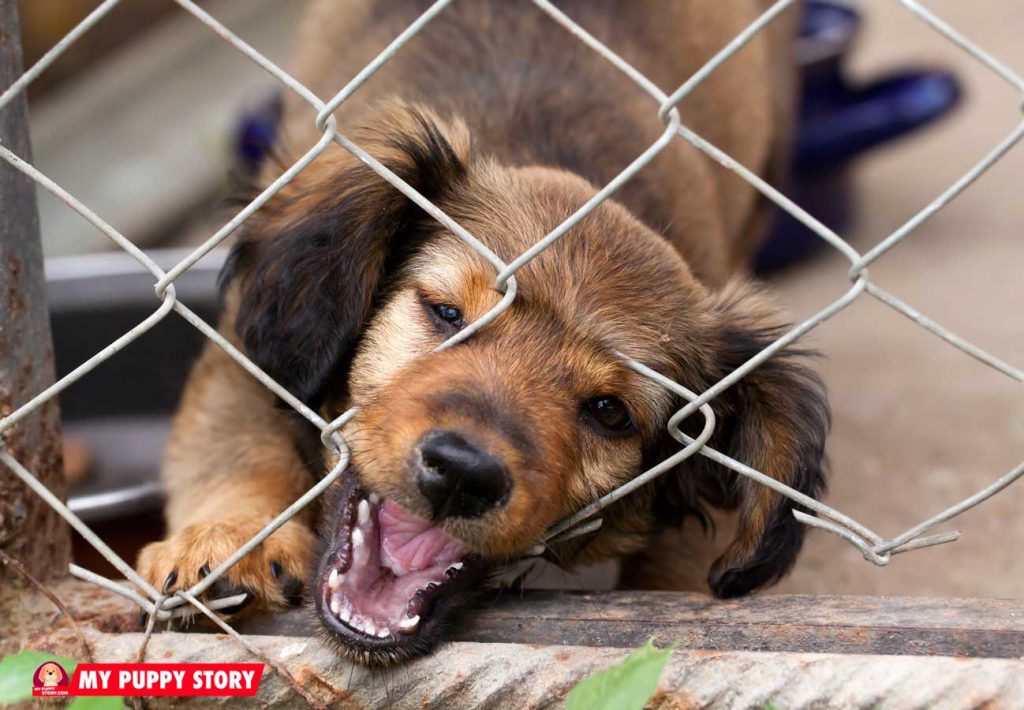
There are always times when a dog owner returns home to find some unexpected damage inflicted on their household items by their pet dog. Dogs have a great sense of smell and vision to explore the world, but many times, they also use their mouths in the same process. Most of the young puppies also chew, which is a natural process that helps their jaws and their teeth and with their teething process. Dogs cannot obviously, distinguish between appropriate and inappropriate behaviors and as such, end up chewing or scratching anything.

One of the tried and tested ways of getting your dog to stop chewing on your things, whether it is your furniture, shoes, curtains or sofa, is by the use of an anti-chew spray.

What is an anti-chew spray and how does it work?

The best type of anti-chew spray depends on the type of your dog and the reason why they are chewing. The anti-chew spray discourages a dog or any other pet from chewing upon whatever you spray it on. Many of the anti-chew sprays work by having disgusting flavors in the spray, such as sour or spicy ones, which the dog would not like. Most of the anti-chew sprays are quite safe, but you should, however, do your research before buying one for your dog.

One thing that you must keep in mind is that the anti-chew spray should be for “dogs” and not for any other pet as it may contain certain ingredients that may be harmful to your furry friend. There are plenty of anti-chew sprays in the market, and you can choose the one that suits your preferences for your dog or for any particular behavior that they may have. For example, if your dog likes to chew on your clothes or the curtains, you may choose an anti-chew spray that does not stain and can easily spray upon the fabric, since all anti-chew sprays are not fabric friendly. Similarly, if your dog has become destructive and ends up chewing your hand as well, you can choose a spray that you can use on your skin as well.

The anti-chew sprays are quite effective in reducing the chewing habit in dogs, and with proper anti-chew training, which the dog owner can provide, the dog may give up chewing altogether.

The Top Anti-Chew Sprays

Grannicks

1. Bitter Apple Taste Deterrent for Dogs by Grannicks

It comes in an easy to spray bottle filled with a bitter compound, designed for your dog to stop chewing on things. The best feature about this dog spray is that it is non-toxic and biodegradable and as such, you can spray it not only on your skin if your dog or your puppy likes to chew on you, but also directly on wounds. It does contain alcohol, so it is best to spray on the bandage, rather than on the cut itself.

This bitter apple dog spray by Grannicks has a bitter apple scent, and as soon as you spray it, you will notice a strong aroma of alcohol as well. However, this smell would dissipate within a minute, which means you can even spray it when you are expecting to have guests over, without having your house smell like rotten apples. It is excellent to use around the house, as this spray does not harm the finish of real wood furniture, although it may end up staining some surfaces.

Moreover, it works well even with cats, and though it is marketed primarily for dogs, the ingredients in this spray and the exclusive spray for cats are the same. It is available in bottle sizes of 8oz and 32oz.

Pros

Cons

  • It is available in multiple sizes
  • This spray can work just as effectively on cats as well
  • The sour apple flavor helps to deter most dogs
  • It is a precise spray area
  • The spray is non-toxic and safe to use
  • It does not prevent all dogs as some of them can cope with the taste
  • Many people find the aroma unpleasant around the house

Verdict

This dog spray is ideal for those dogs or puppies that are heavy chewers and helps to discourage them from chewing. It is safe to use everywhere around the house. Most of the pet owners who use this spray have considered it as “pure magic” as their dogs never go near the items when you spray this on. Many customers use this for their cats and other pets as well.

Emmy’s Best

2. PRO Anti Chew Spray for Puppies by Emmy’s Best

Emmy’s Best PRO Anti Chew Spray for Puppies is one of the best sprays to deter dogs from chewing on your things, especially if you are wondering how to stop dogs from chewing on wood. The best feature about this spray is that it is alcohol-free and can be used on houseplants as well as it is safe to use on indoor vegetation. There is also an online training program for 14 days which the users can watch at their own pace which is provided with the spray so that the users can learn the tried and tested methods to teach the dogs on how to stop chewing once and for all.

It is quite safe to use this spray on almost anything, be it is your shoes, your belongings or your furniture. It also helps to deter your little pooch from chewing on it. This spray uses a combination of a bitter agent along with tea tree oil, which helps to soothe your dog.

It is available in the size of an 8oz bottle and is safe to use on a range of items around the house, including electrical cords, shoes, household furniture, pet’s bed and even on other pets. This spray is ideal for teething puppies but also works on mature dogs and rabbits as well. The goal is to discourage not only chewing but also scratching behavior in dogs.

Pros

Cons

  • It is a no-mess application
  • It includes training tips
  • The spray is alcohol-free
  • Suitable for both puppies and dogs
  • 100% satisfaction guaranteed
  • It is great for teething puppies
  • Some dogs may eventually like the taste of the spray
  • The spray may wear off quickly from things

Verdict

This spray works well on both puppies as well as on big dogs, but it is ideal for puppies. It is non-toxic for your dog, and as such, you can spray it all over the house, without any problem. It promises to stop your dog from the habit of chewing in as little as just two weeks’ period. Most of the customers who have used this spray had positive reviews to share; the majority of the dogs stopped chewing and scratching on the furniture within two months of using the spray.

SynergyLabs

3. Fooey! Ultra-Bitter Spray by SynergyLabs.

This spray, Fooey! Ultra-Bitter Spray by SynergyLabs is incredibly bitter. The best feature of this dog spray is that it has all natural ingredients in its contents, which includes an extract from grapefruit skin, which is extremely bitter. The spray is, however, entirely safe for your pets, and it will surely discourage them from chewing on everything around the house. It is non-acidic and non-flammable, which makes it perfectly safe and you can also use this inside the house. It can also be used directly on your dog’s skin, especially if you are trying to discourage gnawing and licking behavior. It can also be used outdoors if you want to prevent your dog from chewing on your flowed beds and your plants.

This spray is designed not just for dogs, but you can use it for almost all types of pets you can think of. It includes cats, birds, horses, ferrets, deer, and rabbits. This spray is specially designed to stop a host of pet behaviors, which are big problems for the pet owners. This includes biting, chewing, and licking. It can also be used as part of a training regime for your pets when you bring your puppy home for the first time. It is best to be used with positive reinforcement and treat to encourage good behavior in pets and discourage these problematic traits.

It is, however, not a good idea to use this spray on your own hands. Even though it would stop your pet from chewing on you, but will undoubtedly make your hand smelling horrible for days. There should be a few things you should be careful about, such as to avoid getting the spray on yourself. Moreover, it is best for households where there is more than one dog. There are different options in the sizes of the spray bottles. These are available in sizes of 4oz, 8oz, and 16oz bottles.

Pros

Cons

  • This spray can be used for all types of pets and not just for dogs
  • It is available in different sizes
  • The spray is alcohol-free
  • This spray comes with all natural ingredients
  • It does not stain your furniture
  • It is color, fragrance, and dye-free
  • The full strength wears off in a few hours
  • It is difficult to get rid of the smell if you accidentally get it on your hands

Verdict

This spray is ideal to use on all types of pets, and since it is non-acidic and made with all-natural ingredients, you do not have to worry about the harmful substances, that it may contain.

Moreover, this is an excellent choice if you are wondering how to stop your dog from chewing on wood. The price is also affordable, and the spray is quite useful. Most of the customers recommend this product to be effective in reducing the pets’ chewing habits but have negative reviews to share about how hard it is to get rid of its foul smell from your hands and clothes.

Nature’s Miracle

4. No Chew Deterrent Spray by Nature’s Miracle

If you own a dog that bites itself and causes hotspots, then this spray by Nature’s Miracle is the ideal solution. You can spray it on the area where the dog usually bites himself, and you can see how quickly the hotspots disappear. It is a concentrated and long-lasting formula, which is made entirely from natural ingredients. In addition to this, it also uses a calming scent as a significant part of the formula, which helps to soothe the behavior or dogs. One of the critical causes for dogs to bite themselves or chew on things is due to anxiety, and this spray provides a calming effect for the pets. It helps the dog to get not only some physical relief but also emotional relief as well.

This spray has all natural ingredients, which is why it is safe to use and is alcohol-free. You can also apply it to bandages, injuries, skin infections and other ailments, with, of course, prior approval from the veterinarian. It is available in the size of 8oz and 16oz bottles.

Pros

Cons

  • It is alcohol-free
  • It consists of all the natural ingredients in its contents
  • It has a long-lasting concentrated formula
  • It is safe to use on all types of surfaces
  • The spray has a calming effect of reducing anxiety
  • Maybe too mild for keen chewers
  • Some dogs may end up liking the taste

Verdict

The spray is best to use if your dog is in recovery as it will soon go away in a flash, without the common problem of the dog biting its own wounds and causing infections and your dog will quickly be back to normal. It is ideal for anxious dogs to provide a calming effect and help them emotionally. Most of the dog owners have found this spray quite effective while many others did not find it useful as their dogs ended up liking the taste. Many users also complained of not being able to get rid of the foul smell of the spray from their hands.

NaturVet

5. Bitter Yuck! No Chew Spray by NaturVet

It is a really handy anti-chew dog spray, which is available in three different sizes; one of the volumes is small enough that you can keep it with you on the go. The best feature is the size of this dog spray, which means you can easily use it even when you are traveling and can have something to always keep in your purse and take with you for your dog’s playdates. Of course, you wouldn’t want your dog to chew his furry friend to pieces while he is teething!

It consists of all-natural ingredients, which include citric acid (which is common in human food for adding a bit of tartness of bitterness), and also a bittering agent. This bittering agent used in this spray is the one, which is also common in many household cleaning supplies, which ensures that accidental poisoning does not happen and it is quite useful as deemed by the governing authorities. It is an effective remedy if you are wondering how to stop a dog from chewing on wood and other items.

This spray is useful not just for dogs but is also just as effective for cats and horses as well. It is safe to use around the house since it has natural ingredients and ideal for puppies going through a teething phase.

Pros

Cons

  • It is useful for dogs, cats, and horses
  • It is high in citric acid to give a sour s flavor
  • The spray has only natural ingredients
  • It is alcohol-free
  • It does not cause staining
  • It may not be very effective with all types of dogs
  • Some dogs may get used to the flavor

Verdict

This dog spray is excellent to use if you have both dogs and cats as pets in the house. It is also the best bet to choose if you are always on the go and need to carry a dog spray to prevent your dog from chewing all the time. The small-sized bottle is ideal for carrying around without much hassle. Most customers have found this dog spray quite useful on their pets, which have reduced their chewing and scratching behavior, while many others have complained about their dogs starting to like the flavor of the spray and being destructive again.

Vet Recommended

6. OMG Nasty! Repellent Spray by Vet Recommended

This anti chew dog spray, OMG Nasty! Repellent Spray by Vet Recommended is one of the leading dog sprays, recommended by many veterinarians. This spray not only has a nice name, but it also has a bitter formula that uses the natural ingredients without any alcohol in the formula at all.

The best feature about this anti chew dog spray is that it is incredibly gentle, and it can even be applied topically without any stinging feeling or any sort of discomfort. This makes the spray an excellent choice for those dogs that have sensitive skin or some form of a skin condition, such as eczema. In most cases, however, it is best to consult a veterinarian before you start any new spray if your dog has skin problems.

This spray is ideal not just for dogs but is also useful for all other pets in the household. It can also be helpful for rabbits, and it is perfectly safe and effective for them as well once you spray it all over your electric cables. It can guarantee no more chewing. It is perfectly safe to be used around the rest of the house as well. It is best for those households, which have multiple pets. This spray is available in a bottle size of 8oz.

Pros

Cons

  • It is entirely safe to use around the entire house – on clothing, plants and all surfaces
  • It is alcohol-free
  • It is suitable for all types of household pets
  • The packaging is from 100% recycled materials
  • Vets recommend this spray
  • Some of the dogs start to enjoy its flavor
  • It is more effective when combined with no chew training techniques

Verdict

This anti chew spray is ideal for those households with multiple pets as it is effective for all. It is the best spray for those dogs that have some form of a skin condition, as it is gentle and soothing on the skin. The majority of the dog owners who have used this spray have recommended it, and so have the vets.

OUT!

7. Bitter Cherry Chew Deterrent By OUT!

If you are tired of your dog or other pets continually chewing on your upholstery, then Bitter Cherry Chew Deterrent by OUT! is the perfect choice for you. The best feature about this anti chew spray is that it is designed primarily to deter the dogs from chewing on your fabrics. You can spray it on your curtains, carpets or even directly on your couch which will put off your dog from chewing or licking on it, even when you are not at home. However, this spray should not be used on leather or woolen goods, since it is not suitable for it.

Like most other anti-chew sprays, this is also very safe to use around your house since it is made entirely with natural ingredients. It has lemon and grape seed extract and a natural bitter cherry flavor. These are all extremely bitter elements, and when combined, they create a super sour flavor. It is available in 32oz bottles.

Pros

Cons

  • It only needs to be applied once every day
  • The cherry flavor may work for those dogs that end up liking the lemon flavors
  • The smell is excellent, and the taste is horrible
  • It is completely alcohol-free
  • It does not cause staining
  • It can encourage the dog to chew on more if they like the taste
  • It is not suitable to be used on wool or leather

Verdict

It is an excellent anti chew spray to use around the house; especially, for those people who are tired of their dogs continually chewing on their carpets or curtains. Another great feature about this anti chew spray is that it gives a sweet and fruity aroma, which is pleasant smelling. Therefore, if you are one of those people who generally dislike the strong and sour smell of most anti-chew sprays, then this is the right one for your use! Most customers find this spray highly useful for their dogs.

8. Anti-Chew Bitter Spray by Particular Paws

It is an excellent choice for anti-chew spray as it is highly effective if you are wondering how to stop a dog from chewing on wood and other things. The best feature of the Anti-Chew Bitter Spray by Particular Paws is that not only does it contain the bitter taste but it also contains tea tree oil, which can actually be soothing for the dogs. The tea tree oil has been used extensively to treat scrapes or cuts in humans, and now many products are being made with it for dogs and other pets because of its healing properties and its soothing effects.

However, you do have to stay careful when choosing any product, which contains tea tree oil, since you should only use it by diluting it nicely. It can be a great option to use directly on the pet’s hot spots, and it will not just stop your pet from gnawing on their skin but will also help to relieve the discomfort, which they might be experiencing thus causing them to bite or be anxious.

It is very safe to be used around the house and on all types of household items, including clothing, electrical wires, houseplants, and furniture. It is available in the bottle size of 8oz.

Pros

Cons

  • It contains natural bitter apple extract
  • 100% customer satisfaction guaranteed
  • The manufacturers are a GMP certified facility
  • It is also safe to use on houseplants as well
  • The spray contains soothing tea tree oil which has healing properties as well
  • The effects of this spray may be short-lived
  • It may not work on all dogs

Verdict

This Anti-Chew Bitter Spray by Particular Paws is highly recommended by most customers, as it has been effective in deterring their pets from chewing, not only on things but also on themselves. It is an excellent anti-chew spray, especially, for dogs that are suffering from some kind of a medical condition or skin irritation. Also, it helps to relieve hot spots.

Conclusion

The above-mentioned anti-chew sprays are some of the best ones in the market, which we have reviewed based on their effectiveness, safety, and performance. All dogs are different, however, and chew on things due to many reasons. As a dog owner, you must figure out exactly why is your dog exhibiting such behavior and should try to solve the issue. The anti-chew sprays are very effective regardless and help in reducing, if not eliminating such behavior in dogs. However, you must check with your veterinarian before you use any particular type of dog spray, as your dog may be allergic to certain substances. It is also advisable to check with your veterinarian before sharing the dog spray amongst pets. It is best to seek their advice if the problem still persists.

What Is Positive Training for Puppies?

mypuppystory.com

Positive Reinforcement for Puppies

Positive training for puppies is a new way of looking at training for dogs, starting at a very young age, nurturing disciplinary values and skills that the puppy can learn and use as it grows, making the life of the trainer simpler and more indulgent with the dog.

Positive training for puppies is not a fairly recent construct. It has been around for years, but it has now gained a more prominent name. There are certain things to be aware of while indulging in positive training for puppies.

Firstly, it is essential to know the uses of positive reinforcement as a tool to instill positive thinking in not just the puppy but also the trainer. Secondly, there are certain things that must be taken care of while indulging in this healthy practice, which are highlighted in the article.

To first get into the details of positive reinforcement, it is essential to know the frame of mind behind the concept.

The Psychology Behind Positive Reinforcement

The main principle behind this type of training is a process called operant conditioning. By introducing a system of reward and punishment, the variances in behavior are recorded. Based on this, additional rewards are provided.

This concept was first initiated by B.F. Skinner, a behavioral psychologist, during the 1940s. It has grown and been adopted on a larger scale by famous dog trainers such as Cesar Millan.

This method is believed to work better than the “alpha dog” ideology based on dominance and punishments rather than giving dogs the free space to learn and grow without any fear of a harsh punishment.

It is similar to teaching a child tableside manners. You cannot scold the child every time they miss the point and do not perform up to the set standards. You have to be gentle, caring, understanding, and patient as dogs are man’s best friends and deserve similar, if not the same, love and attention.

This paves the way for better communication and a positive outlook of training the little puppy to be more refined and disciplined.

The Four Pillars of Positive Training

1. Use Positive Reinforcement

Positive reinforcement has been deemed effective, long-lasting, humane and a safe approach toward training dogs. It is based on a reward system (and if required in extreme cases, a light punishment such as taking away a favorite toy). This system of reward and punishment allows the trainer to make the dog understand and differentiate right from wrong. It sometimes combines negative training which, unlike its gloomy name, does not mean a strict or horrible punishment for the dog; rather, it means disciplinary actions which may aid the dog in differentiating between what is permissible and what is not.

2. Stay Away from Intimidation, Fear, or Physical Punishment

It is essential to always be alert of what type of disciplinary action you take while training the dog. Just like how humans hate being told what to do and being subjected to learn something that may take more than a couple tries to master and perfect, dogs have the same mindset. After all, they have their own lives and emotions as well, and they act according to their gut instinct. This may result in the dog acting out aggressively or letting you know through any adverse action that it is displeased.

It is also important to note that compulsive training is not recommended or liked by the dog. Most trainers will not inflict any pain on the dogs for fear of hurting them too much, while some trainers use shock collars. There are always better and less painful ways to discipline your dog, combining positive and a little bit of negative training systems.

3. Understand the Concept of Dominance

It is essential to understand dominance. You cannot present yourself as the alpha dog and form an autocratic system of communication with your dog. This distorts the communication gap between the dog and the trainer as the dog may feel threatened, pressured, agitated or hostile. It is vital for the trainer to know that the dog may act up in a hostile way, but that does not mean you can assert dominance or purposely behave in that manner.

Dogs have a different language and mind than humans. They may be ‘acting up’ according to the trainer, but that may be their way of displaying affection, excitement, or even concern. Or it could even be that the dog is in pain or facing a trauma. Knowing your dog and how it feels is essential.

4. Comprehend Your Dog’s Point of View

Remember, you and the puppy do not share the same language. Therefore, you must consider the puppy’s point of view as well. A strong bond with your pup is not possible without your understanding of the situation from both perspectives, yours and the puppy’s. For this, you require commitment and understanding of sensory languages that are based on emotion and behavioral reactions of the dog. It is crucial that you feel what the dog feels and reflect based on that.

Conclusion

Dogs have been domesticated and remain a loyal companion. It is our responsibility to act properly and give them the best we can offer.

It is a generally agreed upon notion that a reward-based system does help puppies grow into more refined and disciplined dogs. It is highly effective and humane, with dog experts like Cesar Millan also believing it to be a wonderful way to bond with one’s dog. This positive training system allows the dog to be more aware of its surroundings and more loyal. This technique is highly effective. All it requires is your time and patience.

This technique is not just useful for the household and domesticated animals but for professional animals such as those with law enforcement officers and firefighters. Its method is quite simple; reward and very slight punishment (if required) are given based on the actions of the dog.

The Value of Rewards and How to Reward Your Dog in Positive Reinforcement Training

mypuppystory.com

This article highlights the importance placed on a reward system along with positive reinforcement, which is useful as a means to encourage positive thinking in not just the puppy but also the trainer. This article is your fast track guide to exploring the boundaries of positive reinforcement.

Instill positive training in your dog from an early age, allowing both you and the dog to learn and grow while learning new talents and disciplinary skills. This training is not just for highly athletic or pageant dogs, but it is a healthy exercise for all dogs. This training is very useful for dogs in various departments, especially those that are associated with assisting in professional fields such as firefighting and security.

Know how to treat your dog. It is crucial to know the reward system while enforcing the positive reinforcement training. There are a few important things you must know.

Types of Rewards

From food treats to praise, from a walk in the park to a game of fetch, know what your dog likes the most to form a list of treats pertinent to different rewards for different acts.

  • A treat should be tempting to your pet. It should be something which the dog craves, which is why you must know the dislikes and likes of your dog. You can also go out of your way and prepare a homemade meal for the dog.
  • It should not be in large quantities. Don’t give your pet something it has to chew or break into tiny pieces. This will be a hassle for the dog, and it will not consider it much of a reward. Keep it short, sweet and simple.
  • No one likes one type of treat every time, which is why it is better to have various types of treats on hand to keep things interesting.
  • Pair the reward you have chosen with verbal appreciation. This way, the dog will feel even more appreciated and won’t associate it with just another meal or snack.

When Should You Give Treats?

Continuous reinforcement allows you and your dog to be more successful in implementing positive reinforcement. It is crucial that every time your dog obeys your cue or behaves well, it is rewarded.

Once your pet has learned the appropriate manners, you may want to apply intermittent reinforcement, which means you will continue praising your dog but gradually decrease the number of times it receives a treat for obeying your cue. This will make the dog more submissive. Slowly decrease the number of time you reward the dog; do not go too slow or too fast, as that would be ineffective. Continue to praise it every time by verbal appreciation.

Build a system such that the dog responds to your command; this can be done by verbal appreciation and everyone around the dog following the same set of rules as you such as calling it by its name and having similar ways of rewarding it. This will help make your dog’s training more effective.

When you and your dog are in an unfamiliar setting with diversions or when your dog is learning something new, you must up your game. Just like you would want to get a higher salary for doing a more complicated job, your dog needs to be paid more, which means a higher reward.

Therefore, whenever you are training in a new environment or teaching something new, increase the value of your treats. However, one thing to remember is that the treat should still be in small pieces. You should ensure they are pea-sized or even smaller so that your dog does not overeat or spend more time chewing on its treat than paying attention to you.

What If the Reward System Is Not Successful?

Be patient and use simple commands. Be sure that the timing of your reinforcement is correct. Remember the 4 basic principles of positive training: use positive reinforcement; avoid physical punishment, fear or intimidation; understand the concept of dominance; and look at things from your dog’s point of view.

Use food or toys to motivate the dog to help achieve the set goals. If you do not substitute a closed hand command, then the pet will respond to seeing the reward rather than the hand signal or the word.

What Type of Rewards Should Be Used?

For this, you must know your dog and your ability to provide for it. This also requires you to be in a good frame of mind. You can reward your dog by praising it, giving it a new toy, playing games with it, taking it for a walk, taking it to a dog spa or giving it a treat, which must vary as the dog may get used to one form of treat. Also, not all dogs are outgoing or motivated by food, so you need to be sure you are rewarding your dog with what it likes.

Is There an Incorrect Way to Reward Your Dog?

Giving any form of attention to a barking dog, a dog that is jumping up, or a dog scratching at the back door only serves to tell it that this is permissible and is gaining attention. Sometimes people even give a bit of food, pet the dog, or play with it in an attempt to calm it down. However, this can be problematic as it is the opposite of what positive reinforcement aims to teach. You must draw a line between good and bad behavior and teach your dog what is permissible and what is not.

Conclusion

Hopefully, all these directions will help you better train your pet and indulge in positive training that is beneficial for you and your pet. Positive reinforcement is known to work and is recommended by celebrity dog trainer, Cesar Millan, who practices it as a part of his job. It is known to be successful and effective and is a good way to bond with your dog. Use these useful directions and be patient; results will yield over time.

All You Need to Know About Your Puppy’s Vaccinations

mypuppystory.com

Just as your kids are your responsibility, your pets are also your responsibility. Taking care of them, feeding them, and attending to their medical needs will all depend on you. Most pets are not much to work on, but puppies are like your little kids and need so much of your love and care. They also need the most medical attention and vaccinations to ensure that they lead a happy and healthy life.

These little fluff balls will bring with them bags full of joy, but at a very young age, just as your child would, they will need to get vaccinated to be safe from any future diseases. This is just one part of their lives; you will also need to give them bundles of love, care, healthy food, attention, toys and whatnot. This is a big responsibility, so be prepared to stand by them at all times.

Vaccination Timelines

One thing you need to keep in mind is that once you have taken upon yourself the responsibility of a puppy, you will need to make sure that you keep it updated with its latest shots. This means that you will need to take it for various vaccinations multiple times a year till it is a year old. After that, you will need to take it for its booster shots, which will also be a couple times a year. Therefore, the trip to the vet will be constant and your puppy will not always be happy to go for the ride.

When you get yourself a puppy, the first thing you should do is take it to the vet for a complete checkup. On this day, be sure to talk to your vet about the vaccinations that your pet will require and what the schedule will be like. They will be the best people to tell you what your dog needs, as the type of vaccinations required can depend on where you live and your traveling plans (if any) with the dog.

The first vaccine that a puppy will get will be at the tender age of 6 to 8 weeks. The main types of vaccinations given at this time are for measles, parainfluenza, and distemper. At every stage, you will have optional shots too; it is up to you and your vet whether to give your dog those or not.

When your pup is 10 to 12 weeks old, it will be given another parainfluenza shot along with ones for distemper, parvovirus, and adenovirus (this combination is called DHPP). Then, at 12 to 14 weeks, your dog will be given its rabies shots. At 14 to 16 weeks, it will get another DHPP shot. You will then have a gap of a few months and will be required to take your dog to the vet at 12 to 16 months for rabies and DHPP. Then, after every one or two years, your dog will need its DHPP and rabies shots.

Types of Vaccinations

A lot of people simply get their dogs vaccinated but have no idea what they are getting the vaccination done for and why it is important to have them. The basic list of shots has been listed above, so we will start by talking about those. At the same time, you need to know a little about some of the different types of optional vaccinations for your puppy so that you know which ones to get if required.

Distemper

Distemper is a virus that can attack a variety of animals which includes dogs. The symptoms of distemper are fever, vomiting, discharge from eyes and nose, cough, twitching, paralysis, and seizures. The infection can also lead to death in some animals. Though this vaccine will not throw off the virus completely, it will build your dog’s immune system to help fight it better.

Parainfluenza

This virus will cause a kennel cough which can be quite irritating for a dog and can increase in severity. In rare cases, it can even cause death.

Hepatitis

Just like humans, hepatitis in dogs affects their liver too. There are many symptoms of it, and it can also cause jaundice and pain in the stomach and liver area. A severe form of jaundice can even result in death.

Rabies

Almost everyone knows about rabies. One of the most recognizable factors is the foam at the mouth. The virus is dangerous as it takes over the central nervous system of the dog which then leads to behaviors that many people would describe as crazy. It will eventually result in death.

Parvovirus

This virus is one of the deadliest viruses, especially in puppies. This is because it attacks the gastrointestinal system of the dog which creates a lot of problems, bleeding and eventually death. It is also highly contagious and dehydrating, so steps need to be taken to tackle these problems.

Heartworm

Heartworm is a disease in which worms take their place in the heart of the dog. Sadly, there is no vaccine to prevent this problem, but there are a few steps you can take to prevent it from happening to your dog. Discuss it with your vet, and you will be good to go.

Coronavirus

This virus is a terrible one as it even affects the gastrointestinal system of dogs and can cause respiratory infections.

Cost of Vaccinations

There are a few factors that will influence the cost of treatments. Number one is the location of your vet. If they are located in a trendy area and an urban city, then the chances are that their charges for vaccinations are high. The vice versa is true for rural or other smaller areas.

The making of the vaccine can also affect the price range. If the ingredients are expensive and the disease is a severe one, then the chances are that the vaccinations will cost higher.

Also, one thing that you need to note is that the vaccinations your puppy will receive during their first year will always be pricier than the booster shots or other vaccinations they receive in the future.

How to Handle Common Potty Problems in Dogs

mypuppystory.com

Introduction

There are a few potty problems that a dog owner might face with his dog. Most owners have an unfortunate experience once or twice but it is not the same for some dogs who can have issues that are either perpetual or affect the dog’s ability to function otherwise.

From such problems the most common may be during potty training. Even the most lax dog owners in the world find the need to house-train their dogs. Dogs with potty training problems become a very big issue. The issues that these owners might face can include carpeting in the house. Carpets can be tricky for puppies as the texture can feel close to that of grass which gives the puppy the impression that he can relieve himself on it.

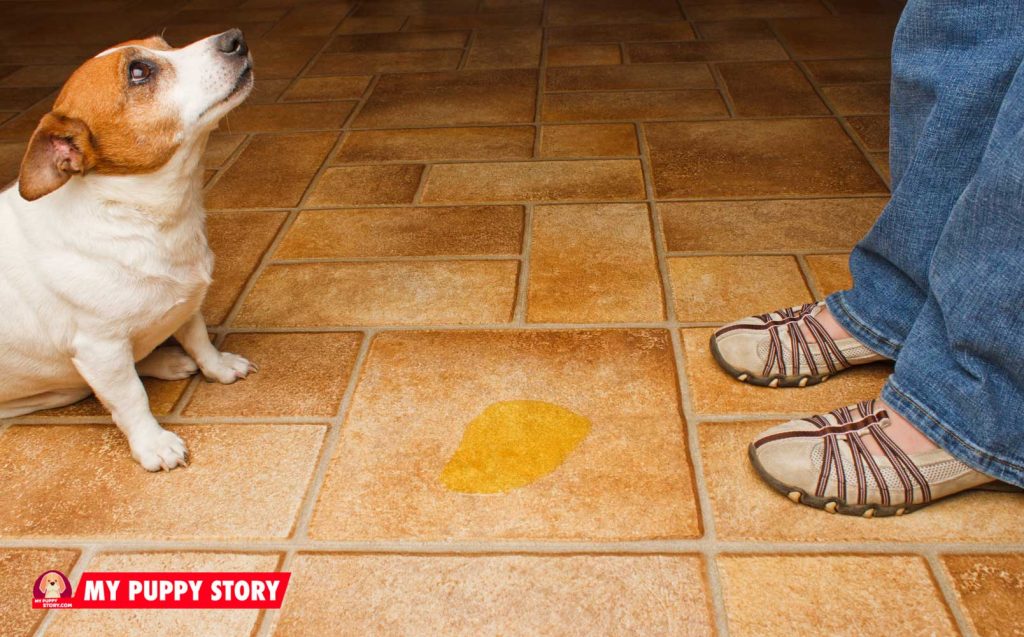
Some dogs have a habit of peeing when people come to visit at the house. It can be a very embarrassing problem and owners become desperate to fix it. This can be due to the doorbell as that may make the dog hyper and cause him to relieve himself at the door. When a dog is faced with the doorbell, it is an indication that a stranger is at the door. This often drums up conflicting emotions of fear and excitement that can cause him to become unhinged.

Other dogs are known to pee on the plants you might keep indoors. This issue damages not only the home but also the plants. Dogs often do this while ‘urine marking’ (when a dog leaves some pee on a vertical object like walls, or in this case plants). Urine marking is usually done by male dogs who try to mark their territory with the act.

Not having your dog relieve himself at all can sometimes be as problematic as him going in the wrong place. In some ways this is worse as it can have adverse effects on the dog’s overall health. Another potty problem owners might encounter at times is that the dog becomes finicky about when he goes to the potty. This is mostly in cases of bad weather, more specifically rain.

How to Overcome Potty Problems:

When it comes to house training always keep a few things in mind, whether you are house training a puppy or an adult dog. For puppies, it’s normally about training that prevents the puppy from having potty problems. However in some occasions it is possible that your puppy might have acquired bad habits that cause him to go to the bathroom inside the house.

First thing to do might be to roll up the carpet if he is using it and finding a designated place for him to use. To counteract these issues it is also a good idea to establish a ‘happy voice’ and an ‘upset voice’. Your upset voice should not be punishing towards your puppy, it need only sound concerned to him. If your puppy is found misusing some part of the house, denounce what he is doing by your upset voice and take him to the designated place where he is supposed to go. If he goes to that area by himself, then use the happy voice to praise him. Cleaning the area the puppy uses can be very important, as if he can smell any poop or pee over there then he might be inclined to go there again. If he has already done it by the time you get there than take him back to that place, make sure he has a look at it and use the upset voice to tell him what he did was wrong.

The best way to go about dealing with your dog if he pees when there are visitors in the house is to manage the behavior by replacing  an emotional response with a calm one. Teaching your dog to settle and sit can be helpful in this scenario where these commands will allow him to associate the situation with a more gentle reaction.

The most efficient way that can be used to stop your dog from urine marking and peeing on your indoor plants is by getting him neutered or sprayed. This is because in a domesticated environment it is much harder for the dog to deal with the hormones that cause such behavior. Moreover, there are many health reasons for which neutering has been recommended. Punishing can cause undue stress but is not likely to lessen the issue.

When your dog does not want to do potty in the rain it can be a big problem. For these situations there is clothing available that can help dogs who don’t respond to the weather very well. It may not be the most fashionable wear around but gets the job done and in cases like this, applicability is very important.

Prevention

To prevent problems in potty training a puppy, one of the best things you can do is to make a schedule. This natural course of action is one that mothers often take for their puppies as well which means that the dogs will be able to function according to it. The schedule can determine when the dog eats, sleeps and goes for potty. In this schedule you will have to take your dog out rather frequently until he becomes entirely used to the idea of using the bathroom outside. Neutering or spraying the dog early (but only when the vet deems he is ready) is a way to prevent any future issues from arising. Another one of the solutions that might help would be to train your dog to go on cue. This means he will not necessarily go when his bladder is full. If the dog is taken out knowing that he will be rewarded for going to the bathroom when given the command, he will do so. If there are any predictions of rain in the area then this can be a very useful way of making sure that your dog can avoid not going to the bathroom in that weather and going earlier when he is able to instead.

Summary

Here, we looked at four potty problems that dogs and their owners might face in the course of living together. Some of the most common potty training problems were house training issues for puppies, dogs peeing when visitors come to the house or on indoor plants and dogs not being able to go the bathroom outside in the rain. There are multiple ways to solve each problem and reasons why the dogs act the way that they do. Puppies cannot distinguish between the carpet and the grass so it can be useful to keep the carpet away from them. If your dog pees when the doorbell rings, try to teach him calming behaviors like sitting.  Prevent urine marking by neutering your dog and if your dog can’t go in the rain then teach him to go on cue when you need him to. In the end, there is no one way to deal with all these issues. In fact, there are customized solutions to each. One thing they all have in common however, is that they require the owner to have patience.

Loose Leash Training for Dogs

mypuppystory.com

Dogs can be remarkable creatures. They are loving and loyal pets that can provide so much comfort to their owner for no other reason than they are their companions. For this reason, as dog owners, a distinct connection makes us feel responsible for and protective of our pets.

You don’t need to have a dog as a pet to know that one of the most common exercises that canines have to maintain is walking. Walking means going outside and apart from physical health, it also means stability for the dog’s mental health. Owners have a responsibility to make sure that their dogs get their appropriate hours of walking daily. Often, this exercise involves using a leash.

Now, walking can be a very difficult task for some owners because their dogs get excited. Being cooped up in the home all day can leave them excited when outside among the stimulating distractions. This can lead to them running in all directions and pulling on their leashes. This can be a very natural reaction for a dog, so try not to worry too much and instead focus on training your dog.

Loose Leash Training Methods

‘Off-leash training’

This form of training can be done inside a house if there is a passageway big enough or even outside in a contained area that is fenced. Try to walk the dog without the leash and keep him by your side using an encouraging and affectionate tone of voice. This should keep his attention drawn towards you and stop him from running away. After a couple of steps of him walking next to you reward him with a treat.

After a while, stop communicating with the dog and remain aloof to him. If you do this then the dog will lose interest and go away. Call him back in sixty seconds or so and wait for him to accompany you again. When he gets back, start talking to him and giving him treats again as you did before.

This can be helpful to keep the dog at your side. When you eventually use the leash to walk him he will be inclined to stay next to you as he has been trained to do so.

‘Stop and be still’

One of the reasons that a dog might persist in pulling on his leash is that the owner is easily guided by the dog every time, taking him where he wants to go. This makes the dog believe that he can pull on his leash constantly, going wherever he wants to.

The way to make sure that this does not happen is that every time the dog pulls on his leash, stop walking and stay still. When you do this, the dog might step or look back to see why you have done so. As he does this the leash will loosen considerably and you should start walking again. You will need to put this method in to practice a few times before your dog understands that pulling on the leash will not result in him getting what he wants as a reward.


‘Reverse Direction’

In this method, when the dog pulls on his leash say ‘let’s go’ or anything else that might mean signaling a change in direction and move away from the area the dog is ushering towards. This can be in any direction towards where the dog does not want to go.

Be gentle and do not pull and force the leash. This can be difficult as a dog’s pull can be very hard to shake: the best way to go about it is to use a high and excited voice that can get his attention and make him move the way you want.

Go in this direction until the dog stops pulling on the leash. When he is done you can turn back to your original path with a loose leash. This can be confusing for the dog so you must try it a few times, until the dog can be sure that you will not let him think that pulling on the leash will take him where he wants to go. As he realizes this from your demeanor, he will stop pulling on the leash on a regular basis.


Use Treats

One way of teaching your dog not to pull on his leash is by using treats. This training requires that you be a little fast-paced with your dog. Start walking in a random direction where your dog is walking behind you. As he comes closer to you drop a treat next to your leg. The dog will see this and stop to eat it and you should wait for him to finish. The dog should at this point clearly know that you have the treats in your hand.

When he is finished, walk in a different direction with the dog being behind you or at least a position where he is next to you. Just make sure that he is never walking ahead or in front of you. Again drop a treat close to your foot or even behind yourself and wait for the dog to eat it. After he is done, begin in the same manner again.

The aim is to walk a greater number of steps every time before you drop the treat, ensuring that the dog stays next to you as long as possible without encouragement. The whole idea is that the dog should not run ahead, so be careful where you throw the treats: they should be nearer behind you. Timing is also quite important as you have to do everything to keep the dog next to you, so you can’t wait too long to drop the treats. This conditioning should result in the dog staying closer and thereby not pull on his leash.

Be sure to remember that no matter what the method is, dogs learn by practice and practice needs patience. Most importantly, remember that they are all different when it comes to training. So if your dog is taking some time to understand the directives, be patient – he will learn.

Share and Pin

Resolve Your Dog’s Leashing Issues

mypuppystory.com

Introduction:

Leash reactivity, lunging, and mouthing are all aggressive behaviors of dogs, and they are caused when a dog is frustrated, threatened, or uncomfortable due to a stimulus. Normally, when a dog is not leashed, it will start barking or move away from the stimulus which is causing fear and frustration. But if a dog is leashed, and unable to run and keep a distance from the stimulus, it will start acting aggressively. In the hope that the stimulus will go away from him, he will start acting defensively. Leash aggression is a common issue in dogs and is faced by many dog owners. Fortunately, there are many tips and techniques that you can adopt to overcome the issues you have with leashing your dogs.

Types of problems:

Leash issues such as pulling, mouthing, and lunging are very common in dogs. These behaviors can turn a pleasant and soothing walk into a terrible one. The way your dog behaves when it is leashed can cause serious troubles for you and the people around. Once you understand why your dog is behaving aggressively while it’s leashed, you can find ways to handle the situation. The following tips can be helpful in overcoming leash issues of your dog:

How to overcome leash issues?

Introduce treats to distract:

When your dog starts behaving aggressively with the leash, for example, pulling, lunging, chewing, or mouthing it; you can give treats to distract him. Start distracting your dog to decrease his frustration and take his mind off from whatever is causing him behave this way. Make sure that your dog is hungry when you take him out and this way he will be more attracted to the treats. Keep a lot of treats with you especially the ones which your dog loves.

If you have figured out what is causing your dog to react aggressively, wait for that stimulus to come and then introduce the treats. For example, if your dog starts behaving aggressively with the leash when he sees another dog, give him a treat when another dog passes nearby. Then if another dog passes by, give him another treat. This way he’ll learn that when a dog passes by, he will be given a treat and then he will stop behaving aggressively.

Look out for how you hold the leash:

If your dog is very disciplined and calm when he is unleashed, then there must be some trouble with the leash or how you hold it. If your dog isn’t scared of anything such as other dogs, strangers, or any other stimulus when he is unleashed, but starts mouthing, pulling, or lunging when he is leashed, you should change the way you hold or pull the leash. Sometimes the leash can cause irritation and hurt the dog, therefore you should take care of this factor too and loosen the grip to make your dog comfortable. Also, make sure that your dog is leashed with a no-pull harness. You should also train your dog earlier than leashing him because if he is not trained to wear a leash, he will act aggressively.

Desensitize your dog:

Desensitizing is an effective technique and is used to treat many problems and issues in animals. While you’re walking with your leashed dog, keep an eye on the surroundings and analyze what’s causing your dog to show aggressive behavior. When you have figured out what’s causing your dog to be fearful and frustrated, use that stimulus to train your dog and make your dog used to it. For example, if your dog gets frustrated when he sees cats when you go out for a walk, try and introduce him to a cat. Show a cat to your dog from a big distance and make sure that he doesn’t get aggressive – and make sure that your dog is leashed. Then give him some treats or things to play so that he feels that the stimulus is nothing to be scared. When you feel that your dog is no more frustrated or aggressive, move the stimulus closer to him. If your dog is being aggressive and has started showing leash issues, that means you have moved the stimulus close to him very quickly.

How to prevent leash issues?

If your dog has no leash issues and he behaves very calmly and nicely when he is leashed and is out to walk with you, then that’s a good habit, but you should also train him to maintain this behavior. There are certain behaviors that can lead to pulling, mouthing or lunging of the leash and they should be avoided. As a dog owner, you should be aware of the factors or stimuli that can cause dog aggression and frustration. The following are some things to remember if you want to prevent leash issues with your dog in future:

  • It is better to use a front-clip harness so that it gets easier for you to control your dog. A front-clip harness will cross the front of your dog’s chest so that you can pull it gently. These types of leashes also prevent unwanted pulling from the dog. If your dog is big in size, you can use the head halters that can stop pulling. Black-clip harnesses, choke chains, flat collars, and prong collars, are all types of leashes that can cause the dog to pull it.
  • If you want to prevent leash mouthing, you can use a chained leash. Chained leashes are difficult to chew as compared to leashes that have a plastic or rubber rope. If you use a leash made up of a chain, your dog will never want to chew it as it is not fun at all.
  • If you want to prevent your dog from being leash reactive, you should always know your dog’s triggers and limits. If your dog is scared or afraid of some stimulus, make sure that it doesn’t come near him when he is leashed. If the dog sees something that he feels as a threat, make sure that you don’t take him near to it when you have changed him. Avoiding some triggers can be useful if they don’t frequently appear when you are outside with your dog.
  • Always keep some motivations with you when you have leashed your dog, and you are out for a walk. Motivations such as treats and tools for playing could be helpful for distracting him if he came across a trigger.

Conclusion:

Leash issues can be dealt with positively, and they are very curable if you train your dog and handle the situation wisely. Remember never to punish your leash reactive dog as this is something which it can’t control. By using the above tips and techniques, you will not only overcome the aggressive and frustrating behavior of your dogs, but also be able to prevent it in the future. If your dog has leash issues, only your hard work and passion can make him get rid of this bad behavior. If you feel you aren’t able to train him properly, feel free to get the help of a professional dog trainer. Leash issues are correctable and can be eliminated by caring and paying proper attention to your dog.

SHARE TO YOUR FRIEND:

How To Deal With Your Dog Jumping

mypuppystory.com

Dog owners often face problems when their dogs have a habit of frequently jumping onto others. Dogs jumping on you or your guests can be annoying, and it can be dangerous too if the dog is powerful and of a large breed. People who can’t balance well can easily fall when dogs jump on them, and this can hurt them. Some pet owners find this behavior adorable at the start, but when it gets too frequent, they start feeling irritated and annoyed. A puppy jumping on you can be adorable, but when it turns to a mightier and heavier dog, it can cause problems.

Why do dogs jump?

Dogs naturally jump on their owners and other people to greet them. They do this because they are shorter in height than humans and they want to make a face-to-face contact to say hello. When dogs jump on you, they sniff your face and want to talk to you. Mostly dogs jump on people to get attention and greet them. When your dog jumps on your guests, he is letting them know that he is also a member of the family and that he is responsible for many things in the house. There are many types and reasons for jumping: attention seeking, excitement jumping, panic jumping, or table jumping. This behavior of dogs is, however, unacceptable because they can unintentionally hurt others. Unfortunately, just telling them not to can’t do the work and you’ll have to train him properly to eliminate this problem.

How to overcome the jumping problem in dogs:

You can’t tell or teach your dog through talking; you will have to teach them with actions. When your dog jumps on you, he is most probably trying to get your attention or is greeting you when you have returned home. To teach your dog not to jump, you will have to teach him other acceptable and pleasant ways to earn your attention. The main part of training is to make your dog learn how to behave properly and not get annoying for strangers. Following these tips will be helpful in training your dog to overcome the jumping issues:

  • Set a routine for training your dog daily. The key to train is right from the beginning when you bring a puppy to your home. Training after returning home from a tired and exhausting day is not feasible because that way you won’t be able to train him properly. Also, make sure to be careful when you open the door as paying less attention to your dog can make him jump on your guests to prove his existence.
  • Use the reward-training method because it is a very effective one. You can make your dog sit on a mat or a specific place when your guests are at home, and then you can offer him treats or things to play as a reward for staying there. If there are other people at home, you can ask someone to open the door while you pay attention to your dog.
  • Use the distraction technique. If you think your dog is about to jump on you, give him some other command or offer him something to play at the very moment. Have your dog sit in front of you peacefully and quietly and involve him in some activity which he loves. Don’t scold or punish as this can cause aggressiveness in dogs.
  • Another technique is to ignore the jumping behavior. Your dog jumps to seek your attention, and when he learns that you are not paying attention to him this way, he will gradually stop jumping. If your dog jumps on you, don’t push him away and just ignore the behavior. If he doesn’t stop jumping at you, move away from the place.
  • Training him not to jump is the best way to get rid of this jumping behavior. When your dog is about to jump, order him to sit down patiently by moving your hands. Tell him to sit down calmly and keep telling him until his front paws are on the floor. If they try to jump on you again and lift their front paws, ask them to ‘stop’ or ‘sit down.’

Preventing jumping problems:

Dogs jump on people to greet them and show their affection. However, they can get very excited or can jump in a panic too, especially if there are strangers in the house. To prevent your dog jumping on other people, make sure that you have taken preventive measures otherwise your dog can cause harm to others. Follow these effective tips:

  • When your guests arrive at home or you have taken your dog out to walk with you, make sure that he doesn’t jump on others. To prevent his jumping behavior to avoid embarrassment, keep some treats with you or something for him that he carries in his mouth such as a boomerang, ball or any other toy.
  • Don’t shower your dog with hugs, kisses, and affection when he jumps on you when you arrive home. This act will make his jumping behavior stronger as he will feel that you are happy with it. Though jumping sometimes can be pleasing but jumping all the times can be annoying, especially if the dog is heavy and powerful. Moreover, you will love that your dog is jumping on you but others will not.
  • Train your dog to jump on request and greet your guests nicely and politely. You can train him by inviting many guests at your place and make him learn how he has to meet and greet them.
  • Always appreciate him and reward him for his good behavior such as giving treats and patting on the head and saying, ‘good job’ or ‘good boy.’ This way he will learn that he is doing a good job by not jumping.
  • Dogs often jump on children and other dogs to show their dominance. If your dog does this, you will have to train him more properly and strictly. You can organize group play sessions and classes with other dogs and make him more social. Make him learn that he should be friendly towards other dogs and not aggressive.
  • You can also use the desensitizing technique if your dog jumps on other people and animals due to panic or fear. This type of jumping behavior can be very dangerous because if a dog jumps in fear or panic, he will try to harm the stimulus.

Conclusion:

Dog jumping is a very typical behavior, and dog owners often complain about this. The jumping issues are natural, and most of the dogs don’t mean anything when they jump on other people, animals, or things. However, when your dog frequently jumps on you and others, its time to analyze the situation and train him not to do so. Dog jumping can get annoying and irritating especially for your guests, and if there are children in the house, it can be dangerous too. It is important to teach your dog how to behave with others and how to greet everyone politely. Always remember that there is nothing wrong with your dog and this is a very natural behavior. Only its excess can cause problems.

Teaching Your Dog How to Stay

mypuppystory.com

Teaching your dog how to stay is one of the essential commands that you should teach. It’s one of the first instructions to teach a dog, and it comes handy in a lot of situations such as when you have guests over and you don’t want your dog all over them or when you’re carrying something your dog shouldn’t be around.

It might seem like a lot of work and can take quite a lot of your time, but it is quite achievable if you work hard and are persistent about it. There are a number of steps that you have to follow in order to train your dog how to stay successfully. Let us go through them!

How to Train Your Dog to Stay

The first step is to make sure that you are in the mood for a training session. You should be feeling well and fresh for a session like this one as it requires a lot of patience. If you’re busy or have a number of things on your mind, it won’t work.

Another situation in which it probably won’t work is if your dog is young. In that case, it will be disobedient. This could result in you getting annoyed, which will change the mood of the session to a negative one.

Ask your dog to stay in the position you want it to stay in with the command you want. This can be stay, sit, sit down or any other command you prefer. If your dog obeys and remains in the desired position for around a couple of seconds, then give it a treat.

In the beginning, you are supposed to treat it even if it stays for just 1 second in that position. After you are done treating, it is allowed to move, so it’s okay if your dog changes its position after that.

When you beckon your dog to stay, you are supposed to make eye contact. Show it your palm, make constant eye contact, and start backing from it slowly. If you are a considerable amount of distance from it and it is still in that position, reward it with a treat.

Before doing this, say OK or any other word which allows your dog to be released from its position. After that, you can either go up to your dog to give it its reward or wave at it to come to you.

You are to repeat this exercise until your dog has perfected it. The only difference you are to make is to increase the distance or decrease it. If your dog breaks the cycle and comes to you before you release it, do NOT give it its treat; simply repeat the cycle.

Another step that you can include in this training is to introduce distractions. You can do this by asking people to walk by your dog when you are in the middle of training. It would be great if these people carry with them some sort of an object of distraction. This could be a ball they could be tossing or any other object that could be hard to avoid for the dog. If your dog stays put, reward it with a treat.

If you notice that your dog has moved or is trying to move during the time you have asked it to stay, raise one of your hands right above its head. You can do this with its leash as well. Let it stay there for a little while before bringing it down and then put your hand back to its original position.

You do not have to repeat your command right now. Count to 30 and go back to your dog. You are to keep your body completely straight during this process and make sure you are not leaning over your dog. Right before you are moving away from it, make sure your hands are by your side again.

Another important point to make sure is to always end the sessions on a good note. If you and your dog end up frustrated and annoyed at each other, it can never learn. Make sure both of you are happy and still friendly or playful with each other.

If your dog has still not learned how to stay, end your session with another instruction or command which your dog already knows such as sit. Try to slowly move away from your dog, and increase the distance a bit every day.

In the beginning, try to stay in the same room. After a few days, you can leave the room as well. Try this command out when your dog is either standing or lying down. If your session is successful, it will not change its position. If you want to try this in an open area such as a garden, make sure the area is well-fenced or surrounded by a boundary.

Try to decrease the number of treats you give it over time. Once your dog gets slightly better at it, you do not need to treat it all the time. However, you can reward it through ways such as praising it verbally.

Another important tip to keep in mind is to make sure your training sessions are evenly spread throughout the week. These sessions must be short and frequent. Having a long session once a week is a bad idea as your dog might forget the instructions. This is why it is not recommended to skip any day.

Conclusion

Teaching your dog how to stay is not a very difficult task if you are persistent about it. You just need to follow the steps with a calm mind and when you have the time.

The stay command is closely linked to the sit command. Therefore, it is necessary that your dog knows how to sit before you teach it how to stay. Once its knows how to do the former, the latter isn’t difficult at all.

Teaching the “Sit” Command to Your Dog

mypuppystory.com

A dog is said to be a person’s best friend. The communication and connection a person has with their dog may go beyond imagination – dogs are there for you when nobody isn’t. This connection is built up through years of exercise and love, which serve as the foundation for the bond that exists between a person and a dog.

The training that you should provide to your dogs should revolve around affection and discipline as that would complement the dog’s psychology and allow it to easily learn basic commands such as “sit.” Before we go into the teaching process of the “sit” command, it is necessary to lay some ground rules which would allow for an easier learning experience for your dog.

The Ground Rules & Guides

Actions & Expressions Are Key

A dog does not understand the meaning of terms like “sit” or “come.” Everything to it is associated with actions and expressions that the person has to offer. The energy that is channeled is what allows for leadership which eventually conditions the dogs to obey. Communication is practiced through simple sounds and actions which are interpreted by dogs however the person chooses to condition them. Dogs pay close attention to a person’s body language and interpret the command accordingly.

Your Energy & Technique Matter

It is necessary to approach and train dogs with a calm and positive energy. Once you seem frustrated or annoyed, you lose your leadership and, hence, your training methods. A dog looks up to its owner and expects them to be the leader and to offer guidance. Therefore, more than just saying the “sit” command, it is important to add energy and sound to the command as well as action. Furthermore, some dogs may respond to other techniques such as a “click.” Remember that this is not about language but more about a signal, so feel free to experiment with whatever works best.

Treat the Dogs

Every time your dog behaves as per your needs during a training session, make sure to reward it. The reward could be a treat, a toy, or even a belly rub. It is better for you to work around and play with your dog to understand what reward makes it most satisfied. However, do note that it is important to only reward it upon the successful completion of a task. The reward is what will allow the dog to learn. This is its key motivation, so it is important that it’s not overdone.

Know Your Limits

Even though you may have multiple successful attempts at training your dogs, remember that it is not good to overdo anything. Ensure that you end every training session without exhausting your dog. It is also important to end the training on a successful note. Do not come to a point where the dog refuses to obey and chooses to run off. Just like humans, dogs may become burnt out and would need a run across the field to cool off. During such instances, learning becomes minimal which is why it is important to ensure your dog is interested and well.

Practice & Patience

The most important part of dog training is patience. Remember not to burden your dog or even yourself. Every creature has its own pace when it comes to learning. More than learning, this is about creating a connection with your dog. Furthermore, practice is key and efficient practice is what will help most. Take a few minutes out every day and practice your routine. All the practice and patience you make use of now would be evident in the future in your communication and connection with your dog!

Training Your Dog

  1. Begin by showing your dog a small treat. Preferably keep it right in front of its eyes and slightly above its head such that your dog is looking upward at an angle.
  2. Slowly move the treat toward the dog’s eyes and over its head. Say the word “sit” while performing the movement. The dog’s natural response to this should be to sit. Positioning is key, so ensure that the dog is in a position where it does sit.
  3. Once the dog is sitting, give it the treat and praise it verbally.
  4. If the dog fails to sit in the second step, go ahead and physically place your hands on its chest and back to bring it into the sit position. Allow it to remain in the position for a while before finally treating it.
  5. Once your dog gets the hang of it, continue to use the treat to make it sit. Ensure that you say the word “sit” every time the action is being performed. This would allow it to associate the word with the action, turning it into a command.
  6. Continue to practice the same routine multiple times during the day. At first, it may seem difficult, but once you get the hang of it, there will be progress. Certain dogs may take longer than others as everyone has their own learning rate.

The reward is the dog’s biggest motivation, so make sure to treat it and to pet it every time it obeys and follows your instructions. This will only catalyze the learning process and enhance the connection you have with it.

The “sit” command is definitely one of the fundamental commands a dog should learn. It shows discipline and obedience and allows for a better connection between the owner and the dog. If one is to follow the rules mentioned above accordingly, they will certainly develop a connection with their dog that would remain unmatched. It is key to be able to understand each other as it is only in such cases that learning and communication are effective. A dog may certainly be an individual’s best friend, but to guarantee a beautiful bond, it is necessary that the individual is also the dog’s best friend.