How to Train Your Dog to ‘Take It And Drop It’

mypuppystory.com

Introduction

A pet can be one of the most delightful things to have in your life. Spend some time caring for one and you will realize how such a trivial subject that people often take for granted has become something very special and meaningful to you. If you have ever had – or have – a dog as a pet , you’ll know what amazing pets they can be. They are loyal and dote on you infinitely in exchange for the smallest acts of caring and kindness. As owners you want to be able to protect your dogs from all kinds of harm, those they know about and those they can’t often detect. You also want them to be able to become an integrated part of your life so that they don’t create hassles for you and run out of control.

For this, all kinds of training are super important and the quicker you get around to it the better. Your dog really needs to know the rules before he can get punished for breaking them. Dog training can be accomplished through using a specific set of actions and stimuli to modify the behavior of the dog the way you want. Conditioning the dog is not meant to be abusive to the dog if all the tactics that are used are safe and keep him out of harm.  Additionally, if the training given to the dog is causing him any harm then it is completely wrong and should not be allowed.

Dogs love taking things in their mouths, most of the time its grab first and think later. When it comes to those great new shoes you bought for a night out with your friends, you really don’t want to risk any chance of them getting spoiled by your canine friend. For occasions like this, teaching your dog to ‘take it and drop it’ can be pretty important. The ‘take it’ direction commands the dog to pick an object in his mouth and the ‘drop it’ order will direct him to release an object he already possess from the hold in his mouth. There are many ways to go about doing this.

Training Method

One way of training your dog to ‘take it or drop it’ is composed of two primary modes of action. First, by familiarizing the dogs with the directives associated with taking and dropping items and then, allocating importance to the objects that are presented to the dog, successively using higher value objects to accomplish the task.

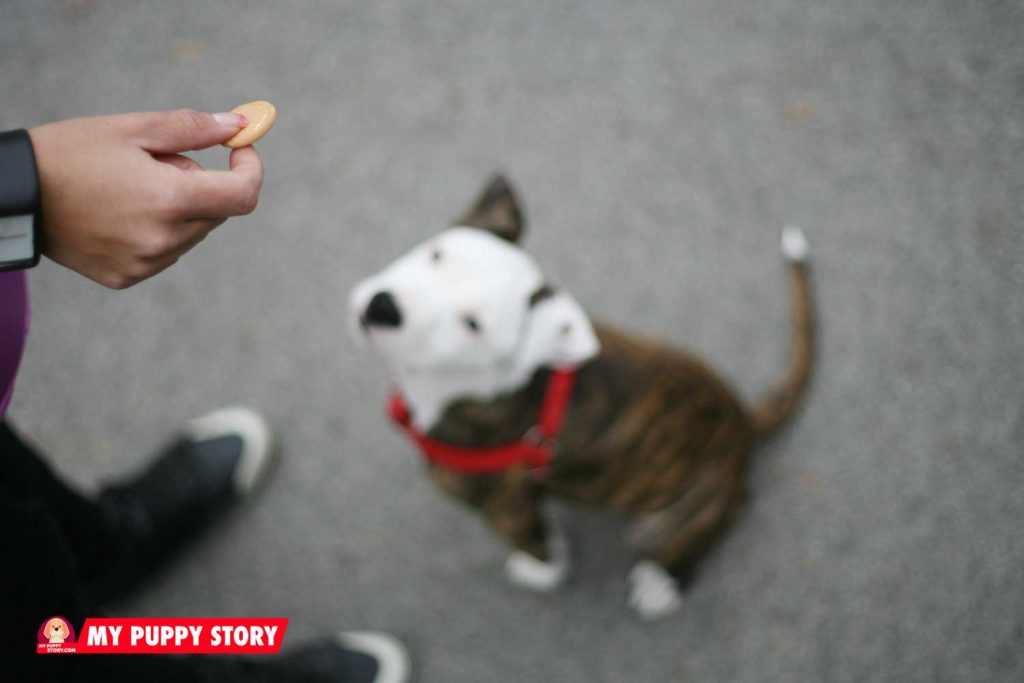
Start by choosing two objects that the dog can play with, however they must be relatively low importance items, that do not hold too much value in the eyes of the dog. Begin by showing one of these objects to the dog and hiding the other one behind your back. Wait until he shows any indication that he wants to play with the item that you have presented to him.

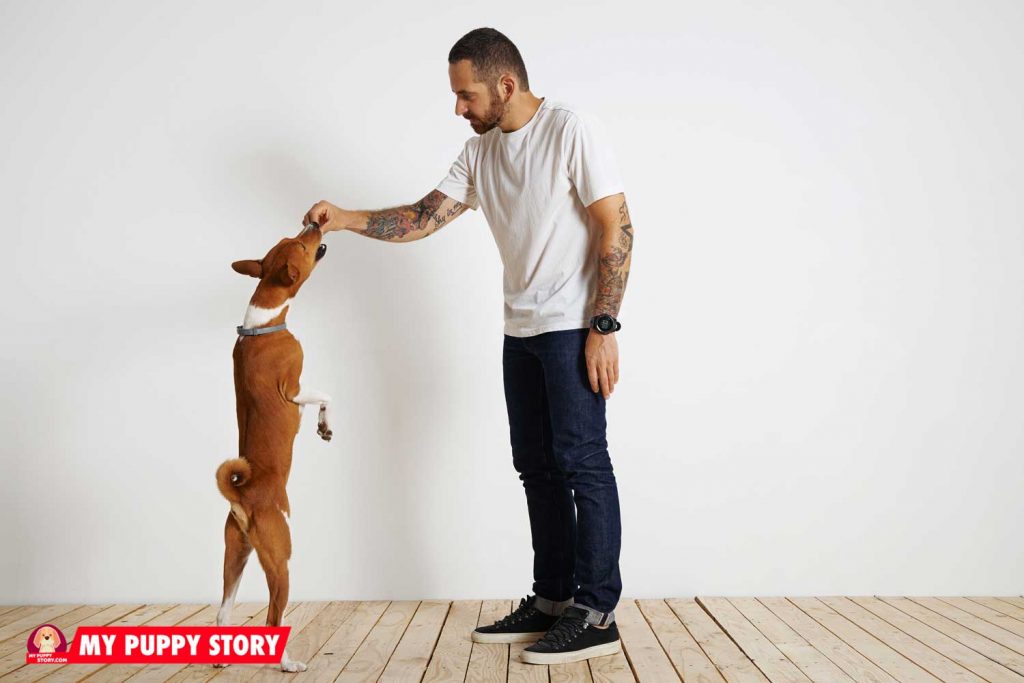
As the dog opens his mouth to grab the object, be sure to say ‘take it’. Enunciate this properly so that the dog can hear it. This will help the dog associate saying these particular words with the action of picking up an object. Identifying and familiarizing the dog to directives that signal specific actions is one of the most important parts of dog training so try to be as clear as possible.

After the dog plays with the object for a while display the other object which is hidden behind your back to the dog and wait for him to notice it. As he sees it he will want to play with it, this will require letting go of the first object he was previously playing with. As he releases the first object from his mouth say, ‘drop it’. Simultaneously, as he picks up the second object introduced say ‘take it’.

Practice this exercise with your dog a few times as it may not pan out exactly in the way described so you might have wait and experiment with a few objects. Try to ensure that the series of events matches the aforementioned steps as many times as is possible. Practice in dog training, like any other form of behavioral development, can be very important and decide whether the training is actually affective.

By applying this method, your dog should be exhibiting the particular behavior regularly, this is of course is dependent on how well you can follow the previous steps. When you think the time is right and the dog is ready, start adding importance to the objects you use to train the dog. The more valuable the object you use the likelier it is that the dog will not want to let go of it.

In any case, if the dog does not adhere to letting go of the more valuable objects, find some distance between yourself and the dog and introduce a different object. Start trying to draw his attention to it by playing with it instead. As the dog becomes more curious he will let go of the object he is playing with at what point you should continue employing the same strategy by telling him to ‘drop it’ and as he approaches the new item, handing it to him and tell him to ‘take it’.

This is an easy method in the sense that it does not require any complex understanding. However ascertaining how successful it can be is entirely dependent on you and your dog. How well you can teach the ideas to him is very important as these actions are the few ways you have to communicate with the dog . They can send a wrong message if the timing and execution is not right. Dog nature also varies by breed and individual personality meaning that some are more likely to adhere whereas others may take much longer to be able to train. Just remember to be calm and patient as your dog will not be able to respond to any loud and harsh directives; instead they may make him more difficult to take care of.

How to Train to Recall Your Dog?

mypuppystory.com

Your dog can be the whole world for you, and some of the best times that you will spend with your pooch are outside during playtime. There are two choices that you can avail when you go out of the house with your dog; you take it either on a leash with you or without it. However, to take your dog out without a leash can be highly dangerous and challenging, especially if it has not been trained properly.

The dangers can be severe: Fido may run off on a busy road, run off towards another potentially dangerous animal, or run far away and losing you behind. All these may result in undesired circumstances. So, what is a good training method to stop your dog from leaving your side or at least coming back to you when you call for him? You need to teach him to respond to the recall command.

Yes, it sounds a bit complicated, and to be honest, it is as it takes a lot of work and time. Some dogs may be able to get the hang of it in a few months, while others may even take years. The key here is to be patient and not to mistreat your dog as this can have an adverse impact on it.

Though you can get a trainer to help you with the technique, it is best that you train your dog yourself as well (even with the trainer around) so that it recognizes your voice and listens to you at all times.

Why Is Recall Important?

As we already mentioned earlier, you could be in situations that could prove to be potentially harmful to your dog. Of course, your dog wouldn’t know better, and it is up to you to protect him. You need to make sure that your dog is either by your side at that time or at least away from the danger. The best way to get it to follow your command is by training it for recall so that when you call your pet, it comes running toward you.

Dogs are quite smart and know when their owner is calling them, but a little training can go a long way as sometimes they can be stubborn and not listen to you at all. If that happens, you will face quite a lot of difficulty which can strain the relationship with your dog.

Recall also ensures that your dog does not wander away from you, especially if it is off its leash. It will run back to you when you call for it, and a lot of distressing situations can be avoided. For example, if your dog runs too close to another dog that is unpleasant, by calling your dog back, you can prevent any harmful situation and move on from that place.

How to Train Your Dog

One of the first questions that arise is, how to train to recall your dog? The steps are quite simple:

  • Start small – make sure that when you start training your dog, you start inside the house or in your backyard. If there is not enough space there, then take it to a secluded area around you.
  • Introduce your dog to the word “come” and associate it with a happy thought or moment so that your dog will know that it will be rewarded when it answers.
  • Start the command with a leash on. Call your dog when it is a little further away from you and run for a short distance with it by your side. Reward it after this run. Carry this on for a few days and make sure that the leash is short.
  • Repeat the above step, but this time make sure that the leash is much longer and call your dog when it is a bit further away from you. Reward it afterward.
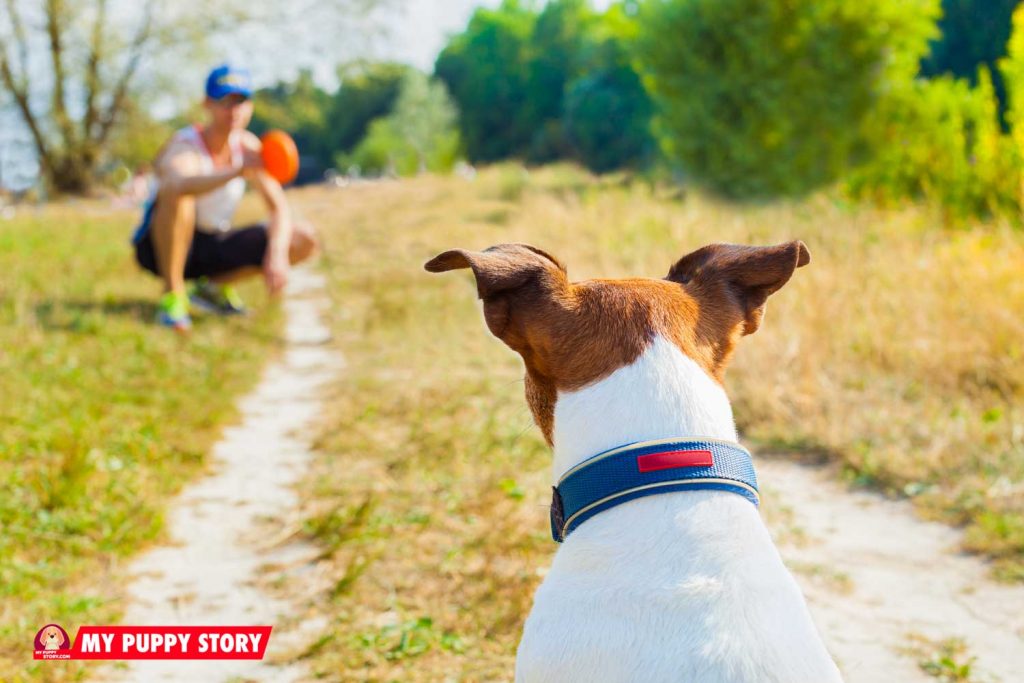
  • Once perfected, take the leash off. Call your dog to you and give it a treat, run away, and call again. Give it a treat when it comes to you. Repeat this exercise a few times for as long as needed, and watch your dog learn the recall training.

Training Timelines

Training your dog anything is an ongoing process. However, some types of training can take longer than others. Training your dog the recall command can be a very long process or a short one, depending on how smart and obedient your dog is.

As there are many distractions outside, a dog will be tempted to explore them, thus its attention when outside may waver, which is why this particular type of training can take a long time. It can take two months, while for some dogs, it can take as long as a year or even more. However, do not lose hope in your dog at any point as it will eventually get there.

Negative vs Positive Reinforcement

There are two types of reinforcements that you can use while training your dog. Using negative reinforcement, especially in a severe form such as hitting, is highly discouraged. Yes, there will be times that you will need to use tough love and situations where you will get angry as your dog is not listening to you. However, the key thing to remember is that you must not lose your temper at any time. If you do, your dog will start getting scared of you and its personality will be negatively affected. If you ever do need to use this form, just use a stern voice. Dogs are brilliant and will understand that they did something wrong.

The best way to train a dog is by using positive reinforcement. If your dog does something good, give it a treat or a pat on the head or use a happy voice to cheer it on. The method is more effective and will help the dog learn faster.

Conclusion

Training recall to your dog is critical, especially if you have a large dog that has the potential to scare people. This way if you are ever out and about and someone pops along, you can only call it back to you so that your dog and the other person feel safe to pass. There are also a lot more benefits which you will gradually figure out when teaching your dog.

How to Apply Positive Training for Puppies?

mypuppystory.com

Positive training is not a recent construct. It combines mostly positive training techniques for the dog into a pre-existing system in which it learns to be disciplined as well as being groomed in the best manner.

There are various ways to apply positive training. However, there are a few do’s and don’ts to follow:

Do’s

Immediately Commend and Reward

Just like humans, dogs want immediate gratification. They should not be left unappreciated for their behavior. They can be either shown affection or given a treat. The dog must be rewarded immediately or else it may not be able to draw the conclusion that good behavior equals rewards. If this does not happen, then the dog may feel underappreciated or may not learn anything.

Keep It Short and Enjoyable

Short training sessions allow things to stay fresh and the attention span to stay on point. Do not teach the dog too much in one day, as it may not be able to retain all of it.

Refrain from Over-Treating Your Dog

Not to suggest that good behavior should not be left unrewarded, but there should always be a balance. You need to pick your rewards carefully. This way the dog will not be good for the treats but for your affection, which is more important. You can also condition your dog to link a certain sound or clicker with receiving a treat. When you eliminate the treat, your dog will still respond to the sound.

Don’ts

Make Things Complicated

Keep things simple by giving simplistic commands like “sit,” “fetch” or “lie down.” Elongating the command would just confuse the dog. Also, do not forget to give it an appropriate reward like praise each time he gets the commands right.

Show Inconsistency

You need to maintain a balance between rewards and mere appreciation for the dog. For example, you can’t reward your dog for staying off the bed and later let it come up and offer affection. This may confuse the dog on how to behave. Also, it is important that others around you abide by these set principles adopted by you toward your dog.

Say ‘Yes’ All the Time

A common mistake that often accompanies positive reinforcement is that pet owners, in affection, allow their pet to do anything and everything. If your dog is acting up, then you must tell it right from wrong.

When Should Positive Reinforcement Be Used?

It is a good way to train your dog and must be timed appropriately. A few time periods that are generally agreed upon to enforce positive reinforcement are:

  • Before letting it out the door
  • Before petting it (which will help it calm down and not jump on people)
  • Before feeding it (which will teach it good eating habits)

Be sure to keep track of what you reward your dog for. Out of love, you mustn’t reward a bad habit as it may be inculcated as the dog may learn to get away with trouble simply because you didn’t discipline it.

Positive reinforcement trainers often use hand and verbal signals, clickers, toys, treats, and even games to help modify behavior. A blend of positive (reward-based) and negative (removal of reward) reinforcements is to be maintained for effective training such as dog treats not being given. Do remember that not all dogs are motivated by food.

There are various approaches toward positive reinforcement, some of which are as follows.

Alpha Dog Approach

This approach is not necessarily a widely liked or effective one. It requires you to present yourself as more dominant and superior in all ways. What you say goes or else there will be consequences. This may lead to the dog feeling threatened and hesitant to learn and may act out by being agitated. Also, all dogs want to rise to the top and present themselves as alphas, so this may hurt them psychologically and they may pick fights with you to re-assert their dominance.

Sporadic Reinforcement

Start off with a small reward and go up to big rewards such as praise and food. Once you have established the level of rewards, the high-value reward (like food) should only be given from time to time. That means your dog will not get the high-value reward whenever it responds to a command.

This will help instill a good response from the dog’s perspective, making the training more efficient and reliable. The dog will know that a higher reward will be given for certain acts, but nonetheless, it will be appreciated even on small gestures.

Cesar Millan, a famous dog trainer, follows the same positive training for dogs as mentioned above. You know a training technique is effective and successful while training dogs when he suggests it. He uses it in his everyday life while training his and others’ dogs. Cesar Millan offers these suggestions to help dog trainers:

  • Investigate and identify why your dog is acting the way it is. You cannot effectively deal with a behavior unless you know the root cause.
  • Understand your dog.
  • Learn and communicate.
  • Find appropriate motivators that your dog may be able to enjoy.
  • Be patient and understanding; do not resort to harsh punishments or words.
  • Have patience.
  • Be consistent.

Conclusion

The tips mentioned above should allow you to pave a successful path toward positive reinforcement, building a healthy relationship with your dog. It is vital to know and understand that it takes time and effort from both the dog and the trainer’s part. It is a slow and therapeutic process, which is known to ensure good results. Be patient and know how your dog feels. Take this opportunity to bond. This will help you learn how to properly take care, train, and disciple the dog, and the dog will learn how to respond and behave accordingly.

How Can You Deal with Nipping?

mypuppystory.com

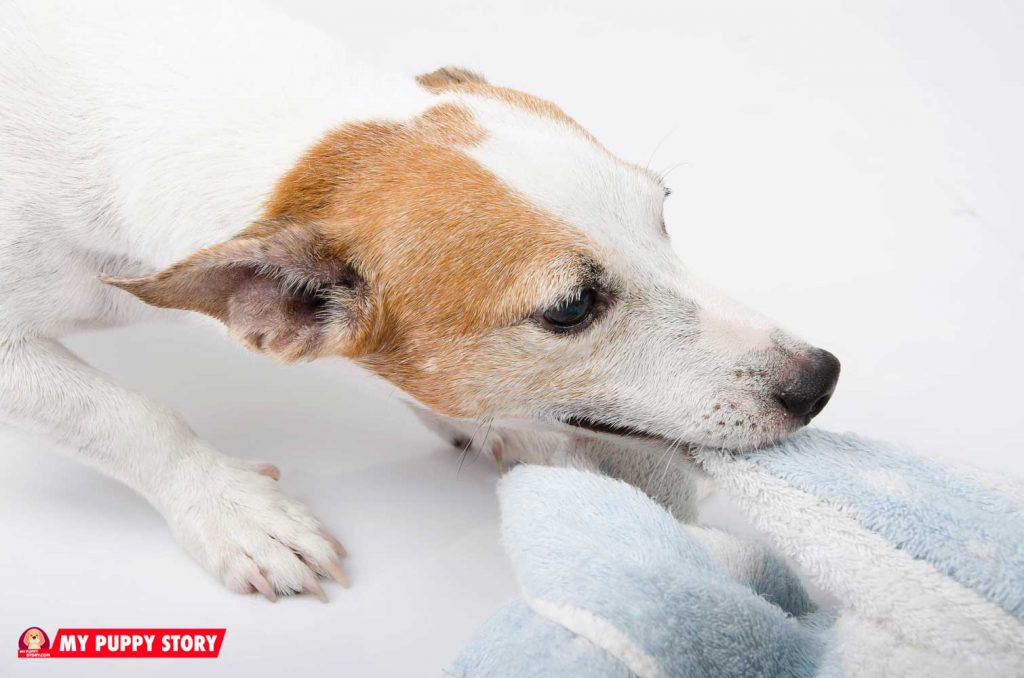
Nipping is an issue that is very common in dogs. At times, it’ll be just nipping, while at times, it’ll be full-fledged biting and it’s really hard to tell them apart as they are almost the same. However, whether it’s nipping or biting, dogs are always playing when they do it and it’s never violent.

If they do it with such intensity that it’s hurtful and seems like an act of violence, this is because they haven’t yet learned how to inhibit their biting. Consequently, you need to teach them how to restrict their impulse for biting.

Type of Problems & Why They Occur

Nipping and mouthing are the second most troublesome behavior after housebreaking that dog owners worry about. Even though it is most common in puppies, it sometimes persists in older dogs. Most dogs that nip and bite do it in a non-aggressive way, but some take an aggressive approach toward it.

In fact, nipping is very much a natural dog behavior and they do it while they are playing. Dogs usually do it as a form of interaction between other dogs and puppies and sometimes humans too. However, most people do not like it and find it very aggressive.

In such a case, they should try to get rid of the problem as soon as possible. It is easy to tell when a dog nips or bites, but it is rather hard to tell if it does it in an aggressive or non-aggressive way. Sometimes, it does it because of fear and at other times, it nips out of frustration.

It is essential that you know the difference between the posture and expressions of a playful dog and a non-playful dog. When dogs are playing, their muzzle is wrinkled and their facial muscles are relaxed. Their body posture is not stiffened as well; they are cool, calm and easy. Their tails are wagging too. Usually, playful nipping isn’t hurtful at all.

On the other hand, aggressive dogs have a completely different body posture. Their tails and bodies become stiff, and they usually bare their teeth. Their ears become erect too, and their muzzle is wrinkled. Their facial muscles become tense as well. When a dog is displaying all of these symptoms, their nipping could be aggressive.

How to Overcome Nipping

All breeds of puppies indulge in nipping. The first thing that you’re supposed to teach them is that some people have sensitive skin and hence, they should be careful when biting or nipping. If your dog isn’t displaying any sign of quitting, do not scold it. Just isolate it for a while and hand it its favorite bone.

Another important thing to note is that when you are teaching your puppy to quit, never play games such as wrestling or tug of war with it. This will only encourage it to increase nipping and motivate it to fight with you.

No matter what you do, do not pull away from the nipping. This will encourage it even more. You can let out a yelp or say something like ‘ow.’ Very often, puppies chew on your feet or hands. It’s usually considered cute when a puppy does it, but when an adult dog does it, it’s usually categorized as violent behavior.

Usually, dogs learn how to nip when they are playing with other dogs. This is when they are playing with other puppies and they playfully nip. When they do it a bit violently, it usually hurts the other dog. As a result, the other dog yelps and stops playing. This is when the dog who has hurt the other dog realizes it shouldn’t have done so. Through this, dogs learn to inhibit their bite.

There is another way through which dogs learn how not to nip, and this is through human interaction. It is when dogs are playing with humans and unknowingly bite a bit too hard. When your dog or puppy does this, all you have to do is let out a high-pitched yelp and pretend you are in a lot of pain. You can also yell at your dog or pretend you are mad at it. At this, the chances are that it will quickly try to apologize to you and will start licking you again.

You can also shout something like ‘no’ when your dog tries to bite you. When it stops and starts licking you again, you can follow up with praise or start stroking your dog. This will give it the impression that you like it when your dog stops.

Hence, it will stop soon and start playing again. Repeat the process if it does it again. Just repeat the same process for around 15 times over and over again, and it will learn soon.

These are a couple of steps you can follow to make sure your dog stops nipping:

  • Continue the process explained above several times.
  • Try providing your dog with something to chew on when it tries to nip.
  • If it’s doing it while you are petting it or stroking it, feed it a treat from your free hand. This will make it accustomed to being stroked without nipping.
  • Do not play games with it that involves touching. If you play games like fetch, your dog will automatically start looking for toys the next time it wants to nip.
  • Teach your dog how to resist impulses. You can do this by teaching it certain command words such as ‘leave it’ or ‘get off.’
  • Provide your dog an opportunity to play with other dogs. This will reduce its drive to play with you.

Prevention

  • Do not bring your hands near your dog too often. This includes waving your fingers in its face and so on. Teach it that hands aren’t toys.
  • Do not restrict it from playing. Make sure the connection between you and your dog is strong.
  • When it nips or bites you, do not suddenly move your hands away from it. Let it nip you once and let your hands go limp. This will discourage it from doing it again.
  • Do not punish your pet by hitting it. Hitting it will either scare it or infuriate it. Both will lead it to nip.

Conclusion

All dogs nip and bite. It is a form of affection, even though they sometimes do it when they are afraid or furious. No matter how hard you try, your puppy will still do it initially. It is a part of its natural impulses, and your pet cannot control it. All that you can do is try to overcome and prevent it. The process isn’t very hard and with persistence and hard work, it can happen. You just have to make sure that you’re not too harsh on it. You also have to make sure that your reaction to nipping isn’t very violent.

Usually, violent reactions are misinterpreted by dogs and they take it as a fight. The aim is to teach them that hands aren’t toys and that some people have sensitive skin that they cannot bite.

How to Train Your Dog to Stand

mypuppystory.com

Dog Training

If you are considering getting a dog as a pet then you need to think about all the different aspects of being a dog owner. Training plays a major role with most owners. You could choose to ignore it, but it is often much better for the dog and the owner if there are boundaries and rules to help prevent any issues in the short and long term.

One of the most important things about not training your dog is that it may result in annoying or aggressive behaviors that may severely strain your relationships. These problems usually occur after a while. When owners decide that they can no longer handle their dogs, they give them up for reasons that could have been avoided with dog training.

There are many reasons why you should train your dog other than the overall ease for the household. Training your dog will strengthen the connection between you and him, making your relationship and understanding deeper. For anyone who has ever had a pet can tell you, there is a profound link between you and your pet that may seem like something out of a cheesy 80’s movie but is actually very true.

Domesticating your dog is a part of his training. This requires that the dog lives in a domestic environment while at the same time being able to behave normally despite the different pressures that exist in this surrounding as compared to the natural one. A healthy dog isn’t always limited to his physical sensibilities but also his mental ones. To help him feel like he belongs in a home environment, training can be very important.

Everyday life inevitably involves socializing. Whether it’s outside or inside our houses, we have created a system where every human being is bound to conduct some interaction. As your dog enters your life, you will notice that he will become a partner in most of the aspects that concern you, including having to interact with people. Most people expect their dogs to be friendly towards other people but often forget that it is not necessarily natural to all dogs. In such cases, it is important for owners to realize that training your dog to be social is necessary.

Always remember though: using force to teach your dog will never end well. Your dog cannot learn anything by force or anger. He must be encouraged in a safe environment. Training can be a tedious process and patience is your friend.

Training Your Dog to Stand

When your dog is in a sitting or in a laying down position it can be helpful to be able to tell him to stand up when needed. Any grooming that needs to be done like brushing or washing require for the dog to be standing. In addition, any routine checkups at the vet also requires that the dog be standing up.

To accomplish this, first find a place where there are no distractions and take your dog there. Training requires patience and focus. You will also need do bring some food or treats that the dog likes. Make sure your dog is sitting and then bring the food close to his nose and mouth.

As the dog leans into eating the food, pull your hand back. If you do it properly your dog will follow the food and your hand and get up. As he does say ‘stand’ so that he can hear you. Avoid being aggressive, a clear voice would be sufficient. As he stands up, give him the treat. This will help the dog associate being told to stand with the action of doing so and a treat.

Try doing this by lowering your hand so that the dog is in a lying down position and in the same fashion proceed to raise it and tell the dog to stand. You would want your dog to be able to obey the command from both a sitting and a lying down position so this can be useful.

Be sure to practice this multiple times. Training a dog applies repetition and practice in exercise to perfect. This is one of the reasons that training dogs needs the owners to have patience. It takes a while for the dog to be able to connect the verbal application of one thing to the act of doing it.

After this, you should slowly start making it more challenging by increasing the three D’s: duration, distance and distraction. By expanding the duration it would mean to wait longer between the interval when your dog is asked to stand and he is given his treat (to clarify, in the initial stages the dog getting the treat and being told to stand is simultaneous unlike over here). To add distance to the process stand further and further away from the dog as you give him the order and then the treat. The last addition is distractions. Add more and more of these like balls, toys, people or even other dogs in the area.

Slowly increase these things in number and try to maintain the training technique. The more your dog will grow accustomed to the act, the quicker he will be able to pick up the idea.  A common complaint is that the dog does not stand up as he is first taught to sit. Try to customize the way you slowly move your hand to account for this or, if this does not work, slide your hand gently under the back legs of your dog to make him stand. As soon as there is any indication that your dog is standing, give him the treat. Also, remember that all dogs are different in breed and personality so they will not all respond to the training at the same pace. Some might take longer than others; but don’t worry about it and give it as much time as you can.

Overcoming the Door Dashing Issue in Dogs

mypuppystory.com

At times, dogs can be quite quick in making their way toward the exit through a door and into the garden or street outside the house. This is called “door dashing.” It is almost as if their minds are altered to believe that a universe with infinite potential exists on the other side of the door. Some dogs would take the first opportunity they get upon hearing the opening of a door to rush outside. This is usually frustrating and bothersome for the dog owner, especially if the area outside could be dangerous for a dog. There have been cases of dogs dashing outside and being run over or hit by a car or running away never to come back.

Reasons for Door Dashing

It is part of the psychology of a dog to take up such opportunities instantly. Dogs like to be out running in the open field with no limits. They are not at fault if they are not guided on not to do a certain thing. Dogs look for an experience of freedom, and door dashing allows them to feel something similar. It is a satisfying feeling for a dog to door dash and with every successful attempt at escaping, the dog becomes greedy for more door dashing.

Owners should make it their utmost priority to ensure that they can command their dogs to remain inside when the doors are open. It is impossible to watch the dog all the time and never leave it unattended. What can you do if your dog is a rebel and would not understand that door dashing is not good? Well, this is the piece for you as this article breaks down the problem and figures out a step-by-step guide to solving and preventing the door dashing problem.

Overcoming the Problem

What can be done if your dog is already a master of door dashing? There are multiple approaches you can take toward overcoming the problem before finally moving onto developing mechanisms to prevent it. Some of the techniques that might work are as follows:

Barriers & Exits

An obvious and general solution to door dashing would be to eliminate the door opening. If there is no door, there is no door dashing. This can be done by installing barriers which would prevent the dog from easily escaping. One such idea is a baby gate, which would prevent the dog from door dashing as well as allow you to open the door for whatever reason necessary. There are also various gates which are specifically designed for dogs and can be customized as per your needs.

You may be able to control your dog when you yourself are the one opening and closing the door. However, this is a very specific and ideal scenario. In reality, you could be hosting a party where multiple people would be opening and closing the door or would run into a scenario where the door may remain open for a while (e.g. while bringing in groceries) and so on. At such times, you would need an alternative plan.

One such solution is to have multiple exits in your home. These could be in the garage or basement. While a dog may get used to this as well and end up door dashing through your alternative options, it is a temporary solution worth exploring.

Walk Your Dog

It is only logical to think that a dog trapped inside a household would want time outside in nature. If you are not taking your dog out for sufficient and quality walking time, then your pet is not at fault for wanting to constantly dash outside. Dogs are desperate for physical exercise. They are the sort to be running and playing around. Make sure you are able to walk your dog out in a park from time to time. Play games and get your dog involved in various activities. This will not directly solve the door dashing problem, but it would definitely remove door dashing as the utmost priority for a dog within a household.

Training & Preventing the Problem

Both overcoming and preventing door dashing can be done by training the dog. If a dog is conditioned to understand the command regarding not leaving the house upon the opening of a door, then door dashing should never be a concern for a dog owner. Here are the steps to be followed to condition the dog to better understand how not to run out the door:

  1. Put your dog on a long leash and take it to the door. The leash would not be used, but it is just for safety purposes in case the dog decides to run off.
  2. Make an attempt at opening the door slightly, only about an inch or two from the closing. The natural reaction your dog would have is to run off using whatever opening there is. Make sure you close the door just in time for it to settle down. If your dog does not back up, push it back and wait for it to sit.
  3. Make another attempt at opening the door. This time, take it further than the opening you had last time (about three inches). Once again, shut it back instantly and wait for your dog to settle down.
  4. Repeat the door opening and shutting process with an increment in the opening space every time. Make sure your dog does not escape and settles down right after the door is shut.
  5. Continue to practice this until your dog is conditioned not to run away.
  6. Once sufficient practice has been done, try to open the door completely and observe the dog’s reaction. If the dog does not run off, reward it with a treat. However, if it does, repeat the previous steps to strengthen the conditioning.
  7. As soon as the dog has been conditioned to understand that it is not allowed to leave the house, move toward practicing a command to which the dog’s response should be to walk out. This could be a “walk” command or any sound which the dog can interpret.

Final Thoughts

It is only with practice that your dog would be able to perfect this and avoid door dashing. This training along with other measures would be ideal to overcome and prevent the problem of door dashing. A dog’s only natural desire is to want time in nature where it could run around with no boundaries and interact with an open environment. Therefore, with proper outside time and the installation of barriers, dogs would be better at avoiding dashing the doors. Furthermore, with the training mentioned above, the dog would be conditioned to understand when it is okay to walk out of the door and when it is not.

It is important for the owner to know that keeping a dog indoors all the time would not be the right decision. It is only with a mixture of walking the dog and training it not to door dash that it would find common ground.

What Does the colour of your Dog’s Poop Mean?

mypuppystory.com

Types of Dog Poop You Should Never, Ever Ignore

One of the less pleasurable parts of having a dog is picking up their poop. Although it is an essential part of dog ownership, it’s never, for the most part, fun to get up close and personal with poop. Yours or anyone else’s for that matter.

Observing your dog’s poop is a good way to tell if they have eaten something unusual while you weren’t looking – a small kids toy, your kid’s crayons, or perhaps just a chicken bone. Just like human poop, dog poop reveals if there is something wrong with your pup.

There is no way around it, part of having a dog, means you’re regularly scooping up poop. Even if you have the sweetest, most adorable pup in the world, this task is never fun. (grammatically problematic) But it is vital, and not just because it’s horrible when you go to hang out washing and step on it accidently, or when the kids can’t play outside in case they tread all through it. The colour and consistency of your dog’s poop can you give a lot of information about what’s going on inside its body – and whether a health concern could be brewing.

That’s why it’s imperative to know what you are picking up. While the sporadic poop problem may not be cause for concern, knowing what’s normal for your dog makes it easy to tell if something IS actually wrong.

The extent of waste your dog produces is highly comparative to the amount of indigestible substances in his food. Dogs evolved to eat typically meat – so the more carbohydrates and fillers in their food, the larger and stinker their poop will be. The problem typically comes from low quality kibble, which often skimps on meat in favour of ingredients like corn, wheat, soy and potatoes.

Dogs most often get diarrhoea from eating something they shouldn’t – like greasy table scraps or assorted foods he’s picked up on your daily walks. Fortunately, the poop dilemma should clear up on its own. Diarrhoea could also be a sign that something’s wrong. Could be anything from a food that’s turned into an allergy, or something serious as infections, so if it’s not cleared up within a day or two, it’s time to call the vet.

Tiny rock-like stool (or no stool at all), are signs that your dog is constipating. He could be eating too much insoluble fibre (found in many vegetables) or not consuming enough liquid which can gum up the works. Without personally searching through your dogs poop, there are some ways to tell if something strange is going on with their health. Veterinarians look at the four C’s when examining dog poop – and it’s something you can do as well.

Consistency: Your dog’s poop should not be so hard that it comes out as pellets, and it should not be so soft that you can’t pick it up easily. While one runny poop is nothing to worry about, if your dog constantly has diarrhoea, call your vet.

Coating: Like human poop, dog poop should not have any sort of coating. If there’s a large amount of mucus or a significant amount of blood coating your dog’s poop, call your vet.

Contents: When considering the filling of your dog’s poop, you should just look out for anything particularly out of the normal. If you find something that concerns you, call your vet.

Colour: Since your dog’s poop can be of a variety of colours, with each meaning something different, we’ll delve into each one with more specifics. Read on below!

If it’s like a firm brown log, that’s good news. That’s exactly what you want to see. Chocolate coloured poop that’s the consistency of Play-Doh is a sign that things are normal in your pup’s digestive tract. However, Brown poop with red streaks, as you may guess, is an indication that your dog is bleeding somewhere along their large intestine.

Other colours could signal serious problems. Black or maroon poop is usually an indication that there is bleeding higher up in your dog’s gastrointestinal tract. The black poop indicates that blood has been digested, which means that your dog may be losing a lot of blood internally.

Like many of the other colours of poop, yellow poop can indicate a few different health problems with your dog. Often, it indicates a food intolerance — so if you’ve recently changed your dog’s diet, that may be the reason for your dog’s stomach upset, alternatively, yellow-orange or light, pasty stools may indicate biliary or liver disease. It could also mean your dog’s food travelled too quickly from the small intestine to the colon.

Grey stools symbolise greasy, or fatty, it may be due to maldigestion. Dog poop that glistens is a possible indicator of malabsorption of nutrients.

When you take your dog to the vet with this type of poop, they will generally look for exocrine pancreatic insufficiency (EPI), which means the pancreas isn’t functioning as it should be.

Green poop has a few possible explanations — it’s possible that your dog has just eaten a large quantity of grass or leaves, but it could also be more serious. If your dog’s poop is green, it could be caused by rat-bait poisoning, a parasite, or some other internal issue.

(Sentence hanging) Always call your vet – immediately!!


Basic Dog Feeding Guide:

Feeding your dog the wrong types of food can have dire consequences to the dogs health; your dog’s poop may be one of the first indicators that your dog has eaten the wrong thing. The basis of your dog’s diet should be a high quality balanced premium dog food that is appropriate for the life stage and health status of your dog, to ensure a healthy digestive system. Natural foods include fresh human-grade raw meat (e.g. raw lamb), raw meaty bones and vegetables. You should check with your vet first, whether those raw meaty bones are suitable for your particular dog (e.g. some dogs with malformed jaws or dental infection may find chewing on raw bones tricky or older dogs may have difficulty).

It is suggested you choose human-grade raw meat and raw fleshy bones because some pet meat/pet mince/pet rolls/pet meat and bone products can contain preservatives that can be detrimental to the dog’s health (e.g. sulphite preservative induced thiamine deficiency which can be fatal). You should avoid sausages, sausage meat and cooked manufactured meats as they can contain sulphite preservatives. Sulphite preservatives may cause your dog’s poo to have a strong offensive odour.

The amount of food required will depend on your dog’s size, breed, age and level of exercise, but take care not to overfeed or underfeed. Your vet will be able to weigh your dog, assess your dog’s body condition score and provide advice.

Adult dogs should be fed at least twice a day to avoid bloat, which can be fatal. You should also avoid exercising your dog immediately before or after eating, to avoid bloat, particularly deep-chested dogs such as xxxxx.

Raw meaty bones such as raw lamb ribs (not lamb chops though), raw lamb flaps and raw chicken wings provide several important health benefits including keeping teeth and gums healthy. They must always be given uncooked. Never feed your dog cooked bones as these can splinter and cause internal damage or become an intestinal obstruction. Signs of blood in your dog’s poo can indicate internal injuries due to your dog ingesting cooked bones that have splintered.

Too many raw bones may lead to constipation. Generally 1-2 raw bones may be offered per week with a few days in between each serving. The bone must be large enough so that the dog cannot fit the whole bone in its mouth or swallow the bone whole. Avoid large marrow bones (these have very thick outer rims), T-bones, ‘chop’ bones e.g. lamb cutlets, large knuckle bones and bones sawn lengthwise (as done by some butchers) as dogs may crack their teeth on these.

Other Foods

Dogs may be offered fish, such as tinned sardines, tinned tuna and tinned salmon as a treat occasionally (take care with any fish bones), but fish should not be fed regularly as this can also lead to your dog farting and pooing offensive smelling excrement.

Dogs may also be offered a small amount of cooked vegetables, e.g. pumpkin, carrots etc. Cooked meat, such as boiled chicken or lamb, may also be offered but please ensure there are no cooked bones; onions/onion sauces or other toxic substances present (see below). A small amount of plain cooked pasta or rice may also be offered.

You should also make sure you dog has access to grass (avoid chemically treated grass and toxic plants) – dogs will sometimes eat grass which may provide a source of vegetable matter and micronutrients.

Dangerous Foods for Dogs

Who can resist those big brown eyes and cute doggie grin? Can a little reward from the table or getting into Mom or Dad’s stuff really hurt your dog? Well, that depends; there is a lot of human food your dog should by no means eat. And, it’s not just because of the worry for weight gain. Some foods are downright dangerous for dogs, and some of these common foods may surprise you.

Dogs shouldn’t take human medicine. It can make them very sick. Just as you do for your kids, keep all medicines out of your dog’s reach. Ingredients such as ibuprofen are common in pain relievers and cold medicine. And, they can be dangerously horrific for your dog. If your dog has ingested human medications, chocolate or foods high in salt content, it can cause severe stomach upset, diarrhoea and in some cases, death.

Toxic Foods 

Do not ever feed the following substances as they are poisonous to dogs (note this is not an exhaustive list):

  • Onions
  • Onion powder
  • Garlic

  • Chocolate
  • Coffee
  • Caffeine products

  • Mouldy or spoiled foods
  • Compost

  • Avocado
  • Bread dough
  • Yeast dough

  • Grapes
  • Raisins
  • Sultanas (including in Christmas cakes etc)

  • Currants
  • Nuts including macadamia nuts

  • Fruit stones (pits) e.g. mango seeds
  • Apricot stones
  • Avocado stones
  • Fruit seeds
  • Corncobs
  • Green unripe tomatoes

  • Mushrooms

  • Fish
  • Bones

  • Fatty trimmings
  • Fatty foods

  • Salt
  • Xylitol (sugar substitute found in some products such as some types of sugar free chewing gum, lollies, baking goods, toothpaste).

Also ensure your pet dog doesn’t have access to string wrappings around rolled roasts or absorbent pads found under meat when wrapped on trays. Fresh water should always be available. Having a big bowl outside and a smaller bowl inside ensure they constantly have the opportunity to drink and stay hydrated. By ensuring that you feed your dog the correct diet and monitoring the look, color and smell of your dos’ poop, you can ensure that your beloved pet is kept healthy and happy.

Dog Poop Color

Onions Onion powder Garlic Chocolate Coffee Caffeine products Mouldy or spoiled foods Compost Avocado Bread dough Yeast dough Grapes Raisins Sultanas (including in Christmas cakes etc) Currants Nuts including macadamia nuts Fruit stones (pits) e.g. mango seeds Apricot stones Avocado stones Fruit seeds Corncobs Green unripe tomatoes Mushrooms Fish Bones Fatty trimmings Fatty foods Salt Xylitol (sugar substitute found in some products such as some types of sugar free chewing gum, lollies, baking goods, toothpaste).


References:

http://pets.webmd.com/dogs/guide/diet-nutrition

http://kb.rspca.org.au/what-should-i-feed-my-dog_263.html

https://www.whole-dog-journal.com/issues/15_7/features/Home-Prepared-Dog-Food-Nutritional-Information_20568-1.html

https://www.caninejournal.com/foods-not-to-feed-dog/


Crate Training for Dogs

mypuppystory.com

Dog training is the use of certain actions to condition a dog to behave in a particular way. There are many stimulants that can be used to modify the behavior of dogs. They can be environmental or they can be introduced separately. The behaviors taught to the dogs can be any form of simple tasks that the dog can perform. They can be elicited using certain directives that a dog recognizes thanks to his conditioning. There can be many uses of dog training from helping them learn to do new things, preventing them from harming themselves or causing a nuisance so that you can all live happily under one roof.

What is Crate Training?

Crate training is a form of training which helps the dog familiarize itself with the crate or cage designed to keep him. It is a way to prevent the dog from fearing the area that is meant to keep him safe and protected. Dogs are naturally inclined to have some space for themselves where they feel secure, and  can come and go whenever they like; the crate can be this place for the dog. This is also a useful skill to teach your dog for when you need to travel, as the dog will not be afraid having a crate-like environment to stay in.

Tips That Help in Crate Training

Crate training begins about as soon as you decide to buy a certain crate. Size can be very important so be mindful when purchasing the crate. There are a few different things you can do to make the crate a place that the dog does not fear. This helps in the overall crate training you plan on doing. Making the crate a place of good encounters and experience for the dog will help him associate it with a positive sentiment.

The crate should be nice and comfortable. Try to lay down some blankets in there with a few of the objects that the dog likes to play with. If the dog has been out playing for a while or just looks a little tired and you think that he might want to nap or rest soon, take him to the crate to do that. In the beginning this might be limited to around ten minutes but slowly try to increase the amount of time the dog spends in the crate. Positive reinforcement might be necessary to get the dog to go in, supply it if necessary.

Another useful tip is to take the dog for a walk after time is spent in the crate so that he can relieve himself. It will help the dog understand that after a while of rest in the crate, he will go out and be relieved without any issues. When the dog is taken out, give some elated reaction to encourage your canine friend.

Some puppies can be left overnight in crates after they get used to them, which can take some time (so you have to be patient.) This is useful as it shows that the dog has become completely comfortable and familiar with being inside the crate. Be careful never to force your dog to remain inside the crate all night though as it can alter the good experiences that the crate should be associated with. The first couple of times keep the dog near you so that if he needs to relieve himself, you can take him.

Crate Training Methods

So, these were some tips for helping your dog get accustomed to crate training and the crate. Now let’s discuss the way for getting your dog crate trained. For those of you who are introducing the idea of the crate to your dog for the first time, remember to bring it about carefully and make the dog comfortable with the crate. Do not force the dog inside the cage as it will not make the task of getting him used to the cage any easier. Put the crate somewhere the dog can find it and explore it if he wants to. This requires that you remain calm and patient with the dog. By having made the crate as comfortable as possible, you have made it easier for the dog to examine it himself.

After the dog feels alright with going inside of the crate, try bringing his meals inside regularly so that he can feel comfortable spending longer lengths of time inside of it. Some dogs may not be able to eat inside of the crate easily so the best course of action would be to place his food at the foot of the entrance to the cage and slowly taking it inside as the numbers of meals progresses.

When the dog can remain entirely inside the crate for his meal, close the crate door. The first time you do this, be sure to open the door as soon as the dog is done eating. With every meal try leaving the dog in the crate for longer and longer periods of time. Do not open the door when the dog starts whining as that encourages the whining and makes him think that he can be released whenever he whines. Try waiting till he is done and then open the door for him.

As the dog seems more and more inclined to stay in the crate without creating a problem out of it, allow him more time inside with the closed door. Try going outside of the room the crate is placed in for a while and see whether the dog can adapt to it. As you reappear in front of the dog, do not open the door to the crate. Wait for a while lingering near the dog and then open it to release him. Trying increasing the lengths of time you leave the room for to get the dog used to being in the crate without you.

Try making the process as normal and stress free as possible by keeping the dog and yourself calm. Do not draw attention to what needs to be done and use subtle tactics to keep the dog happy while training him. The more the dog can associate the crate with his normal routine, the better it is for both of you.

How to Tackle Counter Surfing in Dogs

mypuppystory.com

What Is Counter Surfing?

As the name suggests, this problem occurs when dogs jump on tables and counters and try to eat food from there. The interesting fact of this problem is that many dog owners fail to classify it as an issue. They feel it is only natural for a dog to search for food and try to reach for it. Many people believe it is in the nature of a predator to constantly try to get their hands on food. On the other hand, certain dog owners get really stressed because of this habit. They classify ‘counter surfing’ as a major disciplinary issue and seek help to fix it.

This problem is not limited to untrained dogs; even trained dogs, when left without any supervision for a long time with food around, can do counter surfing. This problem is not a very serious one, but if not detected or overcome at the right time, it can become a habit and training the dog to stop doing it will become very difficult.

Dogs are one of the most beloved pets, and dog owners take immense pride in every little thing their dog does, from fetching the stick to sitting down when asked to do so. Training a dog is an exceptional experience which teaches the owner a lot as well. This experience can get difficult sometimes, but if dealt with patiently, everything can change for the better.

For new dog owners, dealing with behavioral problems of their dog can be very difficult. Sometimes, things get so out of hand that even experienced owners have problems handling situations. Behavioral problems mean when your dog behaves differently or acts unusually. This might vary in the level of danger, but what one needs to understand is that every behavioral problem occurs due to a reason and all the dog owner needs to do is find out what caused it and work on that. Instead of using harsh disciplinary techniques, all one needs to do is understand the problem and train the dog accordingly. However, there are times you might need to change your routine and schedule to help the dog adjust.

Why Does Counter Surfing Occur?

Counter surfing is discussed in detail in the following paragraphs, but before one goes into those details, it is important to understand why a dog does it. As I mentioned before, knowing the reasons can help one remedy the problem. A dog does this when it feels hungry and believes that it will get food from that place. It might also do this when it feels that it is okay to jump on the counter and that area is not out of bounds. Lastly, it might do this because in its view, your food and its food are the same and whatever you leave behind can be eaten.

Read through this article to know more about this problem and its solutions and prevention!

Say No to Your Worries – Overcoming Counter Surfing

If your dog does counter surfing and that has kept you under stress lately, you need to stop worrying and start thinking about changing your lifestyle a bit. As mentioned before, if your dog jumps on the counter, that means two things. Firstly, it’s hungry and needs food and secondly, it thinks it will get food from there.

You need to understand that a dog is different from a child. If a child does something that they are not supposed to, it is because they knew they shouldn’t but still decided to go for it. On the other hand, a dog doesn’t think like that. If it is hungry and smells food, it goes for it. You need to make sure you do not leave leftovers or keep food on the table while your dog is going through this issue.

Make sure your dog is well fed at all times. If its stomach is full, your dog will definitely not jump onto the kitchen counter. Also, make sure you specify a place where you feed your dog and keep it away from the kitchen. This way, you can play with your dog’s psychology and teach it that it will get food from that particular place and not from the counter.

You need to train your dog step by step. It will be a gradual process and once your dog gets used to its food spot, you can start training it such that it eventually accepts that the food on the counter is not for it. Remember, it is a gradual process and you cannot expect your dog to understand things in the blink of an eye.

Prevention Is Better Than Cure

“Prevention is better than cure” is indeed a true saying. Instead of being stressed and forcing your dog to adjust to an entirely different environment and habit, if you make sure that the problem never arises, it would definitely be the ideal situation. To prevent this situation from arising, you need to learn to never feed the dog from the table or kitchen counter. Yes, your beloved pet might look cute and innocent when it is looking at you from the floor as you enjoy your food. It is tempting to tear off a piece of chicken and give it to your dog, but you should not do so. Once you let the dog know that the food on the table is for it as well, changing this habit will be very difficult.

You need to train your dog to follow your order when you ask it to leave something. Your dog needs to understand that when it hears these words, it is immediately supposed to stop and not repeat the action again. This training needs to be done very early on. It is a major requirement for a dog owner who wants their pet to behave and be disciplined.

Another great thing one can do to prevent counter surfing is to specify a place for the dog in the kitchen. If you spend your time in the kitchen, it is unwise to think that your dog will not want to come there with you. Instead of banning its entry completely in the kitchen, you can limit it to a certain spot. This way, the dog will know from very early on that the kitchen counter or table is out of bounds for it.

To Put Things in a Nutshell

To conclude, it is important to understand that counter surfing is not similar to stealing food. A dog steals food mostly when it needs your attention, but a dog jumps on counters and tables when it is hungry and thinks it will get food from there. It is important to train your dog and change your own habits to overcome this problem once it arises. Leaving food around, keeping dirty dishes for long periods, and keeping leftovers on the table and kitchen counters are all actions that will tempt your dog and make it want to do counter surfing. Feeding your dog well and specifying locations from where it can get food is a great technique to overcome this problem. Preventing it is obviously ideal, and it can be done by not feeding your dog from the counter and training it to follow your orders strictly.

H. Poop Eating (Coprophagia)

mypuppystory.com

Nothing beats a best friend in the shape of a four-legged ball of fluff; in other words, a dog. Loyal, loving and empathetic, dogs make morning jogs ten times more fun. However, keeping animals as pets requires time and some animals may need a lot of maintenance.  Dogs, like all pets, come with their own issues and problems.  One of the most common, and perhaps the most repulsive habit dogs have is Coprophagia.

What is Coprophagia?

Coprophagia, in simple terms, is the consumption of one’s own poo! It is a fairly common behavioral problem in dogs. However, though the popular opinion classifies the problem of Coprophagia as purely behavioral, meaning that it purely results due to temporary stressors; in reality, Coprophagia can have serious underlying medical reasons.

How to Overcome Coprophagia in Dogs?

As mentioned in the above paragraphs, it is found that Coprophagia in dogs can either be due to behavioral or underlying medical reasons. Attempting to overcome this problem in dogs by simply taking on a symptomatic treatment is not enough. In order to successfully overcome this problem, it is of utmost importance to know and target the root cause.

Causes of Coprophagia in Dogs

The age old debate between dog owners about the cause of Coprophagia has resulted in the cause being broadly divided into two categories

1.    Behavioral:

Sometimes certain behaviors or habits adapted by the dog owner could further result in encouraging this kind if behavior.  A dog that tries to or eats its own faeces will get the attention of the owner rather quickly. This, in turn, could potentially be causing damage by positively reinforcing the act of Coprophagia in dogs. In simpler words, when the dog gets the attention of the owner as a result of eating its own faeces, its associates the act of eating faeces with heightened attention.

Secondly, it is a known fact that when dogs give birth, the adult dog cleans the puppies by eating their faeces. This may result in the adult dog eating its own faeces too and the puppies learning this behavior from the adult dog.

Owners tend to leave their dogs without supervision for prolonged periods; this leads the dogs to experiment with its environment. They might start playing or eating with their own excrements.

Other behavioral reasons include ‘sticking the dog’s nose’, a fairly common practice in which the owner sticks the dog’s nose in its own faeces when the dog soils the owner’s house.

2.    Medical

The possibility of an underlying medical problem in dogs that leads to the consumption of faeces is a huge possibility. It is found that medical issues that result in the malabsorption of nutrients tend to upset the gastrointestinal system, resulting in a Coprophagia.

An unbalanced diet could lead to nutritional deficiencies, consequently leading to the Coprophagia in dogs.

Thyroid disease, diseases that cause an increase in appetite, Cushing’s disease or steroid treatment, all may also lead to Coprophagia in dogs.


Overcoming Coprophagia by Altering Behavior:

  • Firstly, the dog should not be left unsupervised for long periods of time; this gives it time to experiment.
  • Secondly, if the dog seems to be trying to consume faeces, caution should be taken so as not give any positive reactions. The dog should only associate the act of consuming excrement with negative consequences.
  • Thirdly, adding tried and tested substances to the diet that makes the consumption of stools less likely. Things like papaya, cottage cheese and mints are said to make the stool taste unpleasant to the dogs. However, these might not necessarily work and the dog might develop a tolerance to such unpleasant tastes and/ or smells.
  • Since puppies may learn this behavior from adult dogs, implement measures such as cleaning up the pup’s poop as soon as they go or training the puppies from an early stage. Some researchers have found that Coprophagia is mostly found in adult, homeless dogs, which have been found to suffer abuse either on the streets of the pound.

Overcoming Coprophagia due to medical issues:

  • A detailed physical examination combined with the careful evaluation of the dog’s nutritional intake, the number of times it passes stool and its constancy is necessary to find the root cause. The stool should be tested and checked for signs of blood, parasites or poorly ingested food. If the testing finds that the stool consists of largely of undigested food, it is simply the presence of undigested food that might be enticing the dog to consume its own excrements. It is, therefore, essential to alter the diet and shift to more nutritious, healthy and easy to digest diet. A diet high in fiber, but low in calories is recommended for such instances. Consequently, like overfeeding, underfeeding also causes hungry dogs to consume faeces.
  • If the dog is found to have diabetes or thyroid treatment for either should be immediately started to counter Coprophagia.
  • If signs of Cushing’s disease are apparent, then treatment for it should be started immediately.


Prevention

Some of the most useful, effective and widely used prevention methods include:

  • Associating the behavior with negative connotation from a very early age. The results of the consumption of faeces should not involve the owner of the dog. The owner could, perhaps, observe the dog from a hidden device such a camera monitor and use things such as remote spray collars that the owner can control from a distance. The collar can intercept and interrupt the behavior in adult dogs.
  • Remote punishment can also be used as a preventive measure, the owner should implement remote punishment device when the dog is observed approaching faeces.
  • An additive that causes nausea in the dog is most effective as a counter and preventive measure . In cases where the dog develops a tolerance, instead of an aversion, to the added substances it is found that the most effective way is to add substances that induce nausea. It should also be noted that such additives should be allowed to sit in the food for around 10-15 minutes prior to feeding.
  • A diet high in protein and fiber should always be fed to the dog. Undigested food attracts the dog to the stools; it is, therefore, a preventive measure to make sure the dog is fed a well balanced, filling and fibrous diet.
  • Periodically, the dog could be fed enzymes that make the digestive system healthier.
  • If the dog already has a medical problem and is being treated, a preventive measure is to avoid certain drugs and the use of steroids, both of which have been known to encourage Coprophagia in dogs.


Conclusion

An attentive owner that knows and notices their dog’s behavior can avoid this fairly common problem. The key is to target the root cause and take up an approach that requires intercepting the behavior every time. The lack of access to faeces is both considered a tool for prevention and cure for Coprophagia in dogs. Excrements and other dirt should be removed immediately. The presence of stools may lead to the dog trying it at some point in time. Generally, having a rough idea of the number of times your dog passes stools and the general consistency of it helps identify the cause. An attentive dog owner can prevent the start of Coprophagia in their pet dogs.