What Does Grooming a Chesador Entail?

Chesador

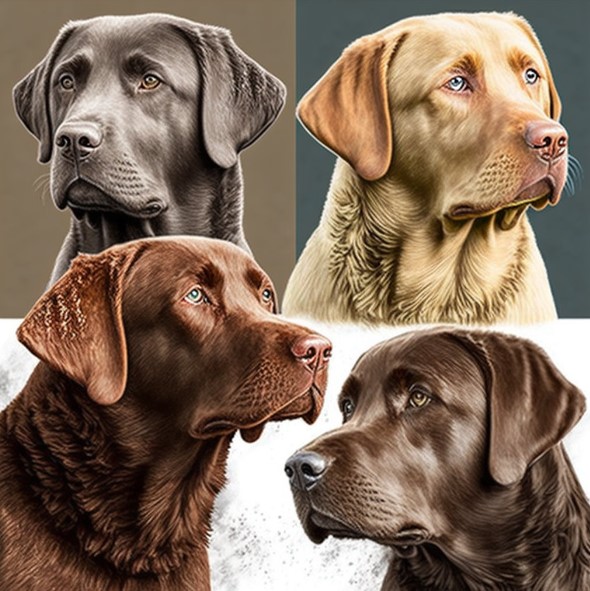
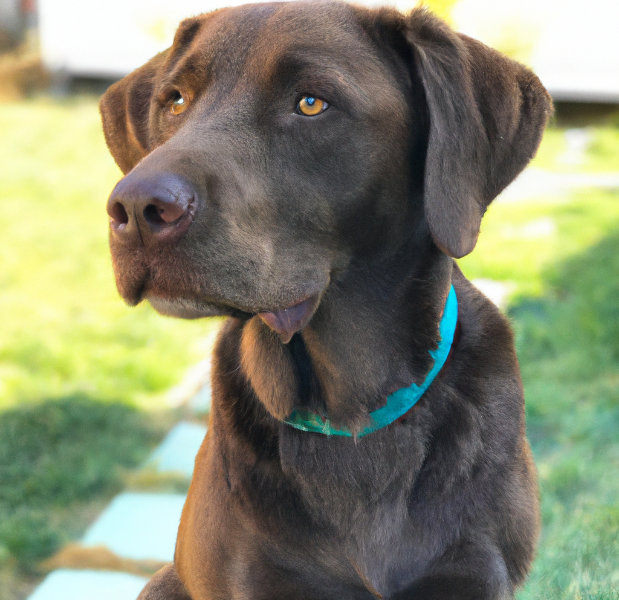
A Chesador is a crossbreed dog that is the result of breeding a Chesapeake Bay Retriever and a Labrador Retriever. They have a unique coat that can be thick, wavy, and oily like the Chesapeake Bay Retriever, or short and thick like the Labrador Retriever.

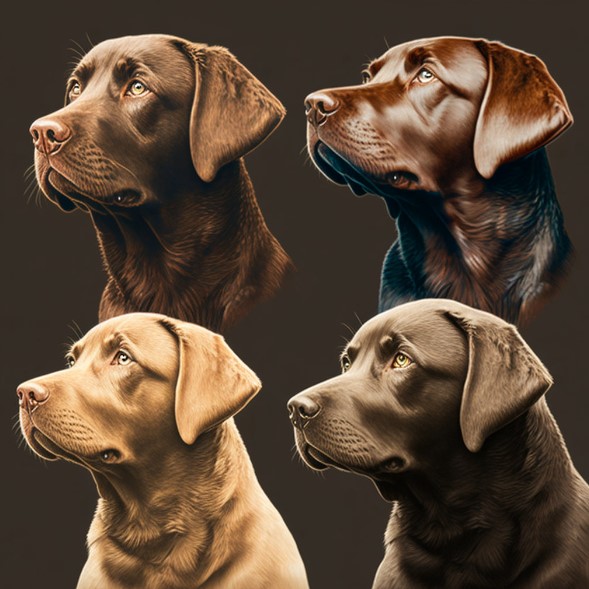
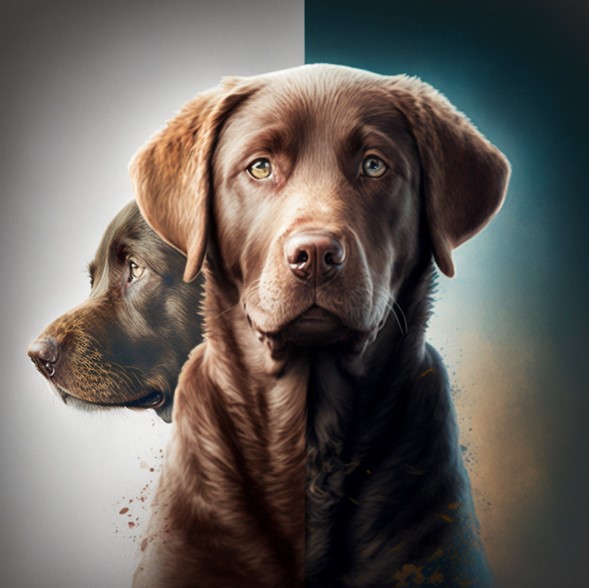
They may have a variety of colors, such as dark brown, sedge, deadgrass, straw, or tan, and yellow, black, or chocolate. They may have a moderate shedding level. Grooming a Chesador requires special attention to their coat type and shedding level, as well as other specific needs to keep them healthy and beautiful.

Brushing

Brushing is an essential part of grooming a Chesador’s coat. Regular brushing is necessary to remove loose hair, prevent matting, and maintain the coat’s healthy appearance. A slicker brush or a metal comb are great tools to use when brushing a Chesador’s coat. Start by brushing the coat in the direction of hair growth and use the slicker brush to remove tangles and mats, then use the metal comb to remove any remaining tangles.

Additionally, you should brush the ears and paws to keep them neat and clean. Brushing should be done regularly, at least once a week, to keep the coat in good condition. It also helps to distribute the natural oils throughout the coat, resulting in a shiny and healthy appearance.

Bathing

Bathing is an important aspect of grooming a Chesador, but it should be done only when necessary. Over-bathing can strip the oils from their coat and dry it out, so it’s important to avoid doing it too often. A general rule of thumb is to bathe your Chesador every 2-3 months or when they are visibly dirty or smelly.

When you do bathe them, use a gentle, dog-specific shampoo that is formulated for thick, wavy, or oily coats. This will help to cleanse and moisturize your dog’s coat without stripping it of its natural oils. After bathing, dry your dog gently by using a towel to squeeze out the excess water, then let it air dry. Avoid using a hair dryer as it can damage the coat and cause matting.

Trimming

Trimming is an important aspect of grooming a Chesador to keep them looking neat and clean. The ears and paws hair should be trimmed regularly to keep them in good shape and prevent matting.

You should also trim the hair around sensitive areas such as the eyes to prevent any irritation or infection. It is recommended to use scissors or clippers for trimming. If you’re not comfortable doing it yourself, you can seek the help of a professional groomer.

Regular trims will help remove damaged or split ends, and keep your Chesador’s coat looking healthy and shiny. It’s important to note that when trimming a Chesador’s coat, it’s best to take your time and be very precise, as a small mistake can have a Big impact on the overall appearance of the coat.

Dental care

Dental care is an important aspect of grooming a Chesador, just like it is for humans. Regularly brushing your Chesador’s teeth is essential to maintain good oral hygiene and prevent dental problems such as plaque, tartar, and bad breath.

It’s recommended to brush your dog’s teeth at least 2-3 times a week with a dog-specific toothbrush and toothpaste. If your dog is not used to having their teeth brushed, it’s important to start slowly and gradually introduce them to the process.

Dental chews and toys can also be used to help keep your dog’s teeth clean and healthy. Regular dental check-ups with a veterinarian are also recommended to keep your Chesador’s teeth in good condition.

Nail care

Nail care is an important aspect of grooming a Chesador to keep them comfortable and prevent any potential issues. Long nails can cause discomfort and pain for your dog when walking or running, as well as causing damage to your floors and furniture.

Regularly trimming your Chesador’s nails is important to keep them at a healthy length. You can use a pair of dog-specific clippers or a grinder. If your dog is not used to having their nails trimmed, it’s important to start slowly and gradually introduce them to the process.

If you’re not comfortable doing it yourself, you can seek the help of a professional groomer or a veterinarian.

Exercise and diet

Exercise and diet are essential parts of keeping a Chesador healthy and happy. As a crossbreed of Chesapeake Bay Retriever and Labrador Retriever, they have high energy levels and require regular exercise and mental stimulation to stay in good shape and prevent behavior problems.

Regular walks, runs, and playtime will help them stay in good shape, burn off excess energy and maintain a healthy weight. It’s important to note that a Chesador may have a tendency to gain weight due to their Labrador parent, so it’s important to monitor their diet and avoid overfeeding.

A well-balanced diet that is appropriate for their size, age, and activity level is important to keep them in good condition. It is recommended to consult with a veterinarian or a professional nutritionist to ensure that your Chesador’s diet is meeting all their nutritional needs.

Conclusion

In conclusion, grooming a Chesador is important to maintain the health and appearance of their coat. A Chesador is a crossbreed dog that is the result of breeding a Chesapeake Bay Retriever and a Labrador Retriever.

They have a unique coat that can be thick, wavy, and oily, like the Chesapeake Bay Retriever, or short and thick like the Labrador Retriever. Grooming includes regular brushing, bathing, trimming, dental care, nail care and exercise and diet.

By following these tips, you can keep your Chesador looking and feeling their best. Regular grooming will not only keep them looking good but it will also help strengthen the bond between you and your dog. It is also important to consult with a veterinarian or a professional groomer if you have any doubts or concerns about your dog’s grooming.


View this post on Instagram


A post shared by Tato 🥔 (@hairy_spud)

Providing the Ideal Living Environment for Chesadors

Chesador Retrievers

Chesadors, also known as Chesapeake Bay Retriever-Labrador Retriever mix, are a medium to large sized breed that typically weigh between 50 to 80 pounds and are known for their high energy level, intelligence and loyalty.

They are a result of crossing a Chesapeake Bay Retriever and a Labrador Retriever. These dogs are very active and require regular exercise, which makes them great for active families or individuals. They have thick, water-resistant coats that can come in colors like brown, black, or yellow.

Chesadors are an amazing breed that are known for their friendly, loyal and loving personalities. They make great family pets and are a wonderful addition to any household. Consistent training and socialization are necessary for Chesadors to become well-behaved companions, but the effort is worth it.

They are not only great companions, but they also require a specific living environment that can support their needs. In this article, we will explore the importance of providing Chesadors with a spacious living environment and the positive impact it has on their overall well-being. We will also discuss alternative solutions for those who may have limited space, but still want to provide the best living environment for their beloved Chesador.

Why Chesador Retrievers Need a Spacious Living Environment

Chesador Retrievers, as a medium to large breed, have specific physical needs that must be met to ensure their overall health and well-being. One of the most important needs for this breed is a spacious living environment. A spacious living environment allows them to have regular exercise and room to move around, which is essential for their physical health.

Regular exercise helps to keep them in good shape, maintain a healthy weight, and improve their overall muscle and cardiovascular function. Having a spacious living environment also means that they have room to play and run, which can be a great way to expend their energy and prevent boredom.

Additionally, a spacious living environment can also benefit their mental and emotional well-being. Dogs are territorial animals, and a spacious living environment can give them a sense of ownership and control over their surroundings. This can help reduce anxiety and stress, making them more relaxed and content. This can also lead to a reduction in destructive Behavior such as chewing or digging.

Chesador Retrievers also need a spacious living environment to explore and learn new things. They are intelligent dogs and require mental stimulation to keep them happy and healthy. A spacious living environment allows them to have more opportunities to explore and learn new things, which helps to keep them mentally stimulated and prevent boredom.

Lastly, a spacious living environment is also important for their socialization needs. Having a spacious living environment means that they have more opportunities to interact with other dogs and people, which can help them to become well-behaved companions. This can also help them to learn how to interact with others in a positive way, which can lead to a well-adjusted and well-behaved companion.

In summary, Chesador Retrievers need a spacious living environment to meet their physical, mental, emotional, behavioral and socialization needs. A spacious living environment is essential for their overall health and happiness. It allows them to have regular exercise, feel safe, be mentally stimulated, and have more opportunities to interact with others, which are essential for them to thrive as pets.

The Negative Impact of Small Spaces on Chesadors

Chesadors, like other dogs, require a specific living environment that can support their needs. Living in small spaces can have negative effects on Chesadors.

First, living in a small space can restrict their ability to exercise and move around, which can lead to physical problems such as obesity and muscle weakness. This can also impact their overall health and lifespan. The lack of physical activity can also lead to behavioral issues, such as destructive behavior or excessive barking.

Second, small spaces can also negatively impact their mental and emotional well-being. Dogs are territorial animals and need their own space to feel safe and secure. Living in a small space can cause them to feel cramped and anxious, which can lead to stress and behavioral issues.

Third, small spaces can also limit their opportunities for socialization and mental stimulation. Without enough room to explore and learn new things, they may become bored and develop behavioral issues.

Finally, living in a small space can also limit socialization opportunities with other dogs and people. This can impact their overall behavior and well-being. A lack of socialization can lead to shyness, fear or even aggression.

In conclusion, Chesadors require a spacious living environment to meet their physical, mental, emotional and socialization needs. Limited living spaces can have negative effects on their overall health and well-being. Owners of Chesadors should make sure that they provide them with enough space to move around, play, and explore, and if not, should consider alternative solutions such as regular exercise, frequent trips to the dog park, and interactive toys.

Some solutions for those with limited space

For those who live in small apartments or have limited outdoor space, providing a spacious living environment for their Chesador may seem challenging. However, there are still ways to meet the needs of your Chesador even in a limited space. Here are a few solutions:

Regular Exercise: Regular exercise is crucial for Chesadors, so it’s important to make sure they get enough physical activity even if you have limited space. This can include going for regular walks, runs, or trips to the dog park.

Mental stimulation: Interactive toys, puzzle feeders and training sessions can help to keep your Chesador mentally stimulated and engaged.

Socialization: Regular visits to the dog park or hiring a dog walker to take your Chesador out for walks with other dogs can help to meet their socialization needs.

Indoor Exercise: Indoor agility courses, playing fetch in a hallway or a designated area, and training sessions can all provide your Chesador with enough exercise, mental and social stimulation even in a small living space.

Consider a Pet Sitter or Doggy Daycare: For those who are away from home for long periods of time, hiring a pet sitter or taking your Chesador to doggy daycare can provide them with the exercise, mental stimulation and socialization they need.

It’s important to remember that every dog is different and may have different needs. It’s also important to consult with a veterinarian or a professional trainer to determine what kind of living space and activities are suitable for your dog. With some planning and effort, you can provide your Chesador with a happy and healthy living environment even if you have limited space.

Conclusion

In conclusion, Chesadors are a wonderful breed that make great family pets. They are known for their high energy level, intelligence and loyalty. However, it is important to provide them with a suitable living environment that meets their needs. A spacious living environment is essential for their physical, mental, emotional, behavioral and socialization needs. It allows them to have regular exercise, feel safe, be mentally stimulated, and have more opportunities to interact with others, which are essential for them to thrive as pets. On the other hand, living in small spaces can have a negative impact on their well-being, leading to physical, mental and emotional problems, and behavioral issues. It is important for pet owners to understand the needs of their pets and provide them with a suitable living environment to ensure their overall health and happiness.


View this post on Instagram


A post shared by Tato 🥔 (@hairy_spud)

The Characteristics of the Chesador

Definition of Chesador

The Chesador is a crossbreed dog that is a combination of a Chesapeake Bay Retriever and a Labrador Retriever. These two breeds are known for their intelligence, loyalty, and trainability, making them popular choices as family pets.

Chesapeake Bay Retriever

The Chesapeake Bay Retriever, more commonly known as the “Chessie”, is a breed that is unique to North America and has a fascinating history. It was first developed in 1807 when an American ship saved the crew of an English brigship that had been stranded off the coast of Maryland. In appreciation for their rescue, the crew gave the rescuers two dogs – male Sailor and female Canton – which were bred with other breeds such as English Otterhound and Curly-Coated and Flat-Coated retrievers. This resulted in the creation of what would become a beloved breed all over the world, recognized by the American Kennel Club in 1878. Today, this loving breed is currently ranked 43rd among popular dog breeds in America.

Labrador Retriever

The Labrador Retriever, more affectionately known as the “Lab”, is a breed that has its roots in Canada during the 1800s and was used for a wide range of activities such as field trials, obedience competitions, and its most notable function – water retrieving. It was welcomed by the American Kennel Club in 1917 and is still the most beloved dog breed in the United States today. Its admirable ability to retrieve items from land or water makes these dogs indispensable companions for anyone looking for a loyal pet. The Chesador breed is an even newer creation, combining both the Chesapeake Bay Retriever and Labrador Retriever breeds in order to pass on the best traits from each breed and make it an ideal family pet.

Physical Characteristics

Physical Characteristics of Chesadors are a combination of both their parent breeds, the Chesapeake Bay Retriever and the Labrador Retriever. They have a medium to large build, typically weighing between 55 to 80 pounds and standing between 21 to 26 inches tall at the shoulder.

They have a thick, double coat that is wavy or curly and can come in a variety of colors such as black, brown, or red. Their coat is water-resistant due to its protective, oily outer layer. Chesadors have a strong, broad skull with a moderate stop and a wide, powerful muzzle.

Their eyes are usually brown and their ears are usually drooping. They have a thick, strong tail that is usually carried low. Their limbs are strong and sturdy, making them great swimmers and retrievers. Their body structure is athletic and well-defined muscles, with a wide chest and a straight back, which gives them a powerful and sturdy appearance.

Temperament

The temperament of Chesadors is a combination of the friendly and outgoing personality of the Labrador Retriever and the intelligence and loyalty of the Chesapeake Bay Retriever. They are known for being affectionate and loving towards their family, making them great family pets.

They are also highly trainable, making them easy to teach new commands and tricks. They have a moderate to high energy level, which means they require regular exercise and mental stimulation to keep them happy and healthy. They are intelligent and eager to please, which makes them excel in obedience training, agility and retrieving activities. They are known to be protective of their family and territory, making them good watchdogs.

Overall, Chesadors are friendly, loving, and intelligent dogs that make great companions for active families and individuals.

Health and Care

Chesadors are generally healthy dogs, but like all breeds, they are prone to certain health issues. They have a lifespan of 10 to 14 years. Regular veterinary check-ups and a healthy diet can help to prevent and manage any health issues that may arise.

Common health concerns for Chesadors include hip dysplasia, bloat, and ear infections. They are also at risk for certain genetic disorders such as progressive retinal atrophy and exercise-induced collapse. It’s important to research the health of the breeding parents before adopting a Chesador.

Grooming is an important aspect of Chesador care, as their thick double coat requires regular brushing and grooming to keep it in good condition. Additionally, it’s important to keep an eye on their ears and clean them regularly to avoid infections. Feeding them a high-quality diet and providing them with regular exercise and mental stimulation will help to ensure their overall health and well-being.

To ensure the best health for your Chesador, it’s recommended to take them for regular check-ups and vaccinations as well as consulting with a veterinarian regarding any concerns or questions you may have about their health.

Overall, Chesadors are a wonderful breed that make great companions for active families and individuals. With proper care, they can live long, happy lives.

Conclusion

In conclusion, the Chesador is a crossbreed dog that is a combination of a Chesapeake Bay Retriever and a Labrador Retriever. They are known for their intelligence, loyalty, and trainability, making them popular choices as family pets. They have a medium to large build, with a thick, double coat that is wavy or curly and can come in a variety of colors. They have a friendly and outgoing personality and are highly trainable, making them easy to teach new commands and tricks. They have a moderate to high energy level, which means they require regular exercise and mental stimulation to keep them happy and healthy.

They are generally healthy dogs, but like all breeds, they are prone to certain health issues. Regular veterinary check-ups and a healthy diet can help to prevent and manage any health issues that may arise. They have moderate grooming needs, and their exercise requirements are moderate to high. They are suitable as a companion for active families and individuals and make great running and hiking companions, and they also enjoy swimming. They are also good for people who enjoy hunting and other outdoor activities. They are known to be protective of their family and territory, making them good watchdogs. Overall, Chesadors are friendly, loving and intelligent dogs that make great companions for active families and individuals.

What Unique Qualities Make the Chesador Retriever a Great Sport Dog

Chesador dogs, a cross between a Chesapeake Bay Retriever and a Labrador Retriever, are a popular choice for sport and training dogs due to their intelligence, eagerness to please, and strong retrieving instincts. They are known for their versatility and excel in different types of sport activities such as hunting, agility, obedience, and water sports. With proper training, these dogs can be developed into well-trained and physically fit companions for various outdoor activities. In this article, we will discuss the characteristics of Chesador dogs, suitable sports for them, why they are popular in these roles, and tips for training them to be strong and healthy.

Behavioral Characteristics

Chesador dogs are medium to large in size, with a sturdy build. They have a thick, wavy coat that comes in different colors such as brown, black, and yellow. Chesador also have high energy levels, making regular exercise essential for their health and happiness. They require at least 1 hour of physical activity per day to keep them healthy and happy. Their coat requires regular grooming to keep it in good condition and maintain a healthy appearance. It’s important to note that Chesador’s are known for their strong and sturdy build which makes them suitable for various types of activities. They have a strong and athletic body which allows them to run, jump and swim with ease. Due to their high energy levels, they are ideal for active families and individuals who enjoy outdoor activities.

Sport Suitable for Chesador Retrievers

Chesador Retrievers are known for their versatility and are suitable for a wide range of sport activities. They excel in hunting, agility, obedience, and water sports because of their strong retrieving instincts, high energy levels, trainability, and athletic build.

Hunting: Chesador’s have strong retrieving instincts, which make them natural hunting dogs. They are highly trainable and can be taught to hunt different types of game such as birds and small mammals. They are also able to work well in different types of hunting environments such as wetlands, forests, and fields.

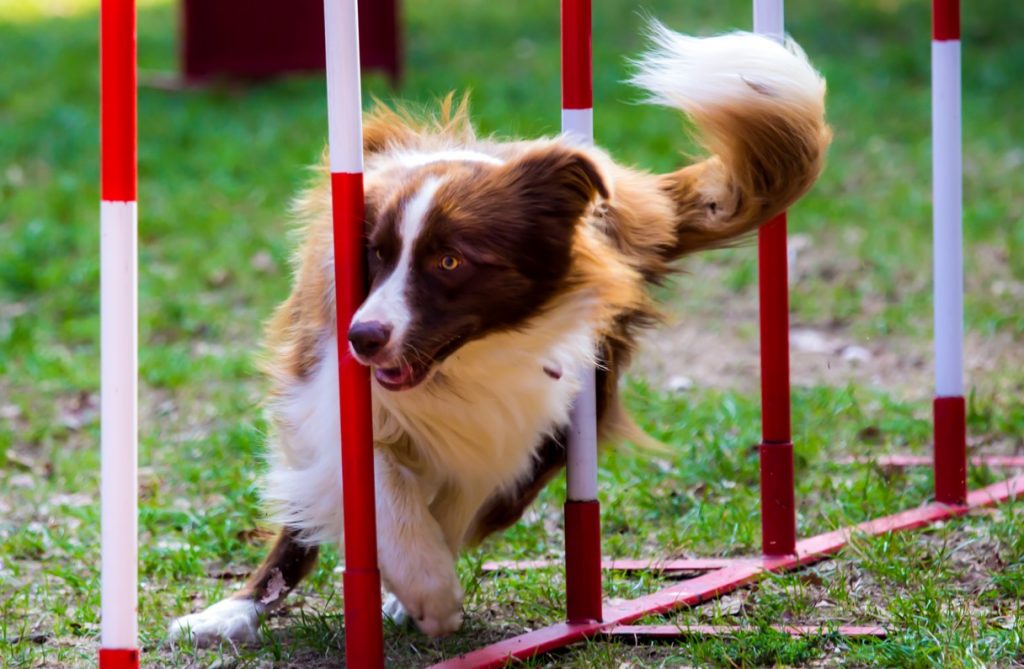
Agility: Chesador’s are highly energetic and athletic, making them well-suited for agility training. They have a strong and agile body that allows them to navigate through obstacles and complete complex commands with ease. They enjoy the challenge of agility training, and it’s an excellent way to bond with your dog and keep them physically fit.

Obedience: Chesador’s are highly trainable and eager to please their owners, making them suitable for obedience training. They are able to learn complex commands and perform them with precision and accuracy. This makes them suitable for competition obedience and also therapy work.

Water Sports: Chesador are also great swimmers, they have webbed feet, and a waterproof coat which makes them suitable for water sports such as dock diving and retrieving games. They enjoy being in the water and have a natural ability to swim and retrieve.

These sport activities provide an excellent way to bond with your Chesador and keep them physically and mentally stimulated. With proper training, Chesador’s are able to excel in these sport activities, making them a great companion for outdoor enthusiasts and active families.

Training Chesador Retrievers for Sport

Training Chesador Retrievers for sport requires a combination of physical and mental training. Here are some tips for training Chesador Retrievers for sport activities:

Physical Training: Chesador Retrievers have high energy levels and require regular exercise to stay physically fit. To build their physical fitness and endurance, regular exercise such as running, swimming, and hiking should be incorporated into their training routine. It’s important to increase the intensity and duration of exercise gradually to avoid injury.

Specific Sport Training: To train Chesador Retrievers for specific sport activities, it’s important to introduce them to the activity early and gradually increase the difficulty of the training. For example, when training for hunting, you should start by teaching basic commands such as “sit” and “stay” before moving on to more advanced commands and training in different hunting environments. Similarly, when training for agility, start with basic obstacles and gradually increase the difficulty as your dog becomes more skilled and comfortable with the activity.

Socialization: Chesador Retrievers are social dogs and require early socialization to become well-adjusted adults. Introduce them to different people, animals, and environments while they are still puppies to help them develop confidence and a positive attitude.

Positive Reinforcement: Positive reinforcement is one of the most effective ways to train Chesador Retrievers. Reward your dog with treats and praise when they perform a command correctly. This will encourage them to repeat the behavior and make training more enjoyable for both you and your dog.

Consistency: Consistency is key when training Chesador Retrievers. Establish a routine and stick to it. This will help your dog understand what is expected of them and make training more efficient.

Overall, Chesador Retrievers are a versatile and highly trainable breed that can excel in a wide range of sport activities with proper training and socialization. They are ideal for active families and individuals who enjoy outdoor activities. With a combination of physical and mental training, positive reinforcement, and consistency, you can train your Chesador Retriever to be a strong, healthy, and well-behaved companion.

Training Chesador Retrievers for Health

Training Chesador Retrievers for health includes both physical and mental training. Here are some tips for training Chesador Retrievers for health:

Diet and Nutrition: A healthy diet is essential for keeping Chesador Retrievers healthy and happy. It’s important to provide your dog with a balanced diet that includes all the essential nutrients, vitamins, and minerals that they need. Make sure to speak with your vet about your dog’s individual dietary needs based on their size, age, and activity level.

Regular Vet Check-ups: Regular veterinary check-ups are essential for maintaining the health of your Chesador Retriever. It’s important to schedule regular visits to the vet for vaccinations, deworming, and check-ups to detect and prevent any potential health issues.

Preventing Common Health Issues: Chesador Retrievers are susceptible to certain health issues such as hip dysplasia and obesity. To prevent these issues, it’s important to provide your dog with regular exercise and a healthy diet. It’s also important to avoid overfeeding and to monitor your dog’s weight to ensure they maintain a healthy weight.

Regular Exercise: Regular exercise is essential for maintaining the overall health and vitality of Chesador Retrievers. Exercise not only helps to keep them physically fit, but also helps to prevent common health issues such as obesity. It’s important to provide your dog with regular and appropriate exercise, taking into consideration their age, size, and activity level.

Mental Stimulation: Mental stimulation is also important for maintaining the health of your Chesador Retriever. Training and playing with your dog provides them with mental stimulation and helps to prevent boredom and destructive behavior.

By providing your Chesador Retriever with a healthy diet, regular veterinary check-ups, regular exercise and mental stimulation, you can manage to maintain their overall health and well-being. It’s important to work with a veterinarian to develop an appropriate health plan for your Chesador Retriever based on their individual needs.

Tips for Successful Chesador Training

Chesador Retrievers are highly intelligent and easy to train, but to ensure the success of their training, it’s important to keep in mind the following tips:

Start Training Early: Starting the training process for your Chesador Retriever early is a great idea. Puppies are more receptive to training and are able to learn new commands and behaviors more quickly than adult dogs, making it easier and faster to form good habits.

Be Consistent: Consistency is key when it comes to training your Chesador Retriever. Stick to a regular training schedule and use the same commands to help your dog understand what you expect of them. This will make the training process more efficient and help your dog to learn more quickly.

Use Positive Reinforcement: Positive reinforcement is an effective and humane way to train your Chesador Retriever. Reward your dog with treats, praise, and affection when they follow commands correctly. This will encourage them to repeat the behavior in the future.

Keep Training Sessions Short: Short, frequent training sessions are more effective than long, infrequent sessions. Chesador Retrievers have a short attention span and are more likely to retain information when training sessions are kept short.

Make Training Fun: Training should always be fun for both you and your dog. Use toys and games to make training more enjoyable for your Chesador Retriever. This will help to keep them motivated and engaged during training sessions.

By keeping these tips in mind, you can ensure the success of your Chesador Retriever’s training. It’s important to remember that training is an ongoing process and requires patience and consistency to achieve the desired results. With the right approach and positive reinforcement, your Chesador Retriever will be a well-trained and well-behaved companion.

Conclusion

In conclusion, Chesador dogs are highly intelligent and easy to train, making them excellent sport and training dogs. With their versatility and strong retrieving instincts, they excel in different types of sport activities such as hunting, agility, obedience and water sports. Proper training and care is crucial to ensure the success of your Chesador’s training and overall health and well-being. By providing your Chesador with a healthy diet, regular exercise, mental stimulation, and regular veterinary check-ups, you can manage to maintain their overall health and well-being. Additionally, by following the tips for successful training such as starting early, being consistent, using positive reinforcement, keeping training sessions short, and making training fun, you can ensure the success of your Chesador’s training. Chesador Retrievers make great companions for active families and individuals who enjoy outdoor activities and sport.

Discovering What Affects Chesador Health

Chesadors, also known as Labradors and Chesapeake Bay Retrievers, are a popular breed of dog that are a cross between Labrador Retrievers and Chesapeake Bay Retrievers. They are known for their friendly and outgoing personalities, as well as their trainability and adaptability. As a crossbreed, they have a risk of developing the same health issues as their parent breeds, making it important for owners to be aware of potential health issues and take steps to prevent and treat them. In this article, we will explore the most common health issues that can affect these breeds and how to prevent and treat them. With the right information and care, owners can ensure their Chesador will have a long and healthy life.

Hip and Elbow Dysplasia

Hip and elbow dysplasia is a genetic condition that may affect the joints of breeds such as Labrador Retrievers and Chesapeake Bay Retrievers. The condition occurs when the joints do not develop normally, leading to abnormal wear and tear on the joint surfaces which can then result in arthritis and lameness. Symptoms can range from stiffness to pain and difficulty rising or climbing stairs depending on the severity of the condition. This issue is typically diagnosed by radiographic examination from a veterinarian. Treatment options involve weight management, physical therapy, and in more severe cases, surgery. While preventative measures include genetic screening for breeding dogs, it’s important to note that this is not a guarantee that the condition will not develop in their offspring. Proper nutrition and exercise for your pup is also important to reduce the risk of dysplasia. Chesador retrievers, being a crossbreed, also have a risk of developing this condition, making it important to be aware of any signs so you can take steps to protect your pet’s health.

Obesity 

Obesity is a common health issue in Labrador Retrievers and Chesapeake Bay Retrievers. These breeds are known to have a tendency to become overweight if not given proper exercise and diet. Obesity in dogs can lead to a number of health problems such as diabetes, arthritis, respiratory difficulties, decreased mobility and decreased quality of life. It can also shorten a dog’s lifespan. The main cause of obesity in these breeds is overfeeding and lack of exercise.

Owners should monitor their dog’s diet and make sure they are getting enough exercise. Regular weigh-ins and body condition score assessments by a veterinarian can also help to keep track of a dog’s weight. In order to prevent obesity, it’s important to provide a balanced diet, appropriate portion sizes and regular exercise to these breeds. The same applies to Chesador retrievers, as they are also at risk of developing obesity if not given proper diet and exercise.

Bloat

Bloat, also known as Gastric Dilatation Volvulus (GDV), is a serious and potentially fatal condition that can affect deep-chested breeds such as Labrador Retrievers and Chesapeake Bay Retrievers. The condition occurs when the stomach becomes distended with gas, and then twists on itself, cutting off the blood supply to the stomach and other organs. Bloat can happen quickly and without warning, and requires immediate veterinary attention. Symptoms of bloat include restlessness, abdominal pain, excessive salivation, and a distended abdomen. In severe cases, the dog may also go into shock. Deep-chested breeds like Labradors and Chesapeake Bay Retrievers are at an increased risk for developing the condition. Chesador Retrievers are also prone to bloat, so it is important to be aware of any signs and take action to prevent this potentially dangerous condition. Emergency surgery is usually necessary to treat bloat, which involves untwisting the stomach and removing gas or liquid. Prevention methods include feeding smaller meals, avoiding vigorous exercise after eating, and using slow-feeders to help regulate your pup’s diet.

Osteochondritis Dissecans (OCD)

Osteochondritis Dissecans (OCD) is a condition that affects the growth plates of the joints and is common in young, large breeds such as Labrador Retrievers and Chesapeake Bay Retrievers. It occurs when there is abnormal growth and development of the cartilage in the joints, leading to the formation of small fragments of cartilage that can become loose within the joint. Symptoms of OCD may include limping, stiffness, and pain, especially after exercise. Diagnosis of OCD is typically made through x-rays and a physical examination by a veterinarian. Treatment options include rest, medication, and in severe cases, surgery. It’s important to keep in mind that Chesador Retrievers, being a crossbreed of two large breeds, may also be at risk for developing this condition.

It’s important for dog owners to be aware of these potential health issues in order to ensure their dog’s well-being and longevity. Regular vet check-ups, proper nutrition, and exercise can help prevent and manage these conditions. In case of any signs or symptoms, it’s important to consult a veterinarian immediately.

Allergies 

Allergies are a common health issue in Labrador Retrievers and Chesapeake Bay Retrievers. These breeds are known to be prone to allergies, with skin and food allergies being the most common. Symptoms of allergies can include itching, redness, and skin infections. Allergies can also lead to secondary infections such as bacterial or yeast infections. The diagnosis of allergies is usually made by a veterinarian through a combination of physical examination, blood work and sometimes, skin scraping or biopsy.

Chesador Retrievers, a cross between Labrador Retrievers and Chesapeake Bay Retrievers, may be at risk of allergies and it is important to take preventive measures. This includes identifying and avoiding allergens, as well as regular veterinary check-ups to monitor for symptoms. Treatment options for allergies include antihistamines, steroids, and allergen-specific immunotherapy. In some cases, a change in diet may also be necessary to help prevent allergic reactions.

Conclusion:

In conclusion, Labrador Retrievers, Chesapeake Bay Retrievers, and Chesador Retrievers are all wonderful breeds, but they can be prone to certain health issues. Being aware of these potential issues and taking steps to prevent or manage them is important for ensuring your dog’s well-being and longevity. Hip and elbow dysplasia, obesity, bloat, and osteochondritis dissecans are some of the most common health issues that can affect these breeds. Regular vet check-ups, proper nutrition, and exercise, as well as being aware of any signs or symptoms, can help to prevent and manage these conditions. If you notice any signs of concern, it’s important to consult with a veterinarian immediately. By taking care of their health and well-being, you can ensure that your furry companion will be by your side for many happy years to come.


View this post on Instagram


A post shared by Tato 🥔 (@hairy_spud)

Prolong Your Chesador Retriever’s Life with the Right Lifestyle

As a pet owner, one of the most important factors to consider when choosing a dog breed is their lifespan. The lifespan of a dog can vary greatly depending on the breed, and it’s important to understand the expected lifespan of your dog in order to provide them with the best care possible. This is especially true for Chesador retrievers, which are a unique combination of a Chesapeake Bay Retriever and a Labrador Retriever.

Chesador Retrievers Lifespan

The lifespan of a dog can vary greatly depending on the breed. Smaller breeds generally have a longer lifespan than larger breeds. For example, a toy poodle can have a wonderful long lifespan of up to 18 years, while Great Dane’s lifespan is around 7-10 years. Chesador retrievers, being a medium-large sized dog breed, fall somewhere in between, with an average lifespan of 10-13 years.

However, it’s vital to note that there are several factors that can positively affect a Chesador’s lifespan. These include genetics, diet, exercise, and overall health. By providing your Chesador retrievers with a healthy lifestyle, you can optimize and prolong their lifespan.

Comparison to other breeds

When compared to other breeds, the Chesador’s lifespan is relatively average. The Chesapeake Bay Retriever has an average lifespan of 10-12 years and Labrador Retrievers have an average lifespan of 10-14 years. This means that the Chesador’s lifespan falls somewhere in between the two. Hybrid breeds like the Chesador tend to offer genetic diversity which often contributes to a longer lifespan than purebreds. With proper care and nutrition, your four-legged companion can live a long and healthy life.

Health and Lifestyle

To maintain good health and extend a Chesador retriever’s lifespan, it’s important to provide them with a healthy diet, regular exercise, and regular veterinary care. A good diet should be balanced and provide them with all the necessary nutrients, and regular exercise will help to keep them physically fit. Regular veterinary check-ups will help to catch any potential health problems early on.

Understanding the Causes of a Shorter Dog Lifespan

Dogs are beloved members of many families, and their companionship and loyalty are cherished by their owners. However, despite our best efforts to care for them, some dogs may have a shorter lifespan than others. Understanding the causes of a shorter dog lifespan can help pet owners make informed decisions about how to care for their furry friends.

Genetics

One of the most significant factors that can contribute to a longer dog lifespan is genetics. Some dog breeds have a longer lifespan than others due to genetic predispositions to certain health conditions. For example, smaller breeds such as Chihuahuas and Pomeranians have an average lifespan of 14-18 years, while larger breeds such as Great Danes and Saint Bernards have an average lifespan of 7-10 years.

Diet and Nutrition

Providing proper nutrition and a balanced diet is an essential part of keeping your pup healthy and happy. Poor diets can lead to a variety of health issues, including obesity, joint problems, diabetes and more – all of which can shorten their lifespan. By investing the time to ensure that your dog is eating the right foods with the appropriate amount of nutrients, you will set them up for success in life.

Exercise 

Regular exercise is an important element of a healthy lifestyle for Chesador. Not only can it help maintain a healthy weight and improve cardiovascular health, but it also helps strengthen muscles and bones. A sedentary lifestyle, however, can lead to obesity, which can be associated with a variety of health issues. By making sure Chesador gets enough physical activity and exercise every day, you can help ensure a longer and healthier lifespan.

Environmental 

Environmental factors can also play a role in a shorter dog lifespan. Exposure to toxins, pollutants, and other harmful substances in the environment can contribute to a shorter lifespan. Pet owners should be aware of potential hazards in their environment, such as pesticides and air pollution, and take steps to reduce their dog’s exposure to these toxins.

Vets

Regular veterinary care is also essential for maintaining a dog’s health and prolonging their lifespan. Regular check-ups, vaccinations, and preventative care can help detect and prevent health issues that can shorten a dog’s lifespan.

Common Health Issues in Chesador Retrievers 

When getting a Chesador retriever, it’s important to research the potential health risks that come with this breed. That being said, with proper care and nutrition, you can ensure your pet is happy and healthy for many years to come. These usually include hip and elbow dysplasia, bloat, allergies, ear infections, and obesity.

Although Hip and Elbow Dysplasia can be hereditary, there are measures such as proper nutrition and exercise that you can take to prevent joint pain in your pup. Bloat occurs when the stomach fills with gas and twists on itself; however, these risks can be reduced by making careful food choices.

Allergies can cause skin irritation, but they can also be managed easily by avoiding the allergen or taking medications prescribed by a veterinarian. With the right strategies in place, you and your Chesador retriever can enjoy life free from allergic reactions or skin discomfort.

Ear infections may occur more often in dogs with floppy ears, but prompt vet treatment can be obtained if it is identified early.

Obesity can be caused by an unhealthy diet and lack of physical activity; however, lifestyle changes can help reduce the risk of its associated complications.

As a crossbreed of Chesapeake Bay Retriever and Labrador Retriever, Chesador retrievers may be prone to some common health issues. However, it is important to remember that these health issues are not unique to the breed – many other dog breeds can be affected by them too. Potential owners should take the time to research potential ailments and speak with a veterinarian regarding their individual pup’s needs. With regular vet check-ups, a healthy diet and exercise routine, and pet insurance, you can help ensure your Chesador enjoys the best quality of life possible.

Conclusion

Chesador retrievers have an average lifespan of 10-13 years, which is relatively average for a medium-large sized dog breed. However, factors such as genetics, diet, exercise, and overall health can greatly affect their lifespan. By providing them with proper care and a healthy lifestyle, pet owners can help to optimize and prolong the lifespan of their Chesador retrievers. It is important for pet owners to consider the lifespan of a dog breed when choosing a pet, to ensure that they are able to provide the best care possible for their furry companion.

Exploring the World of Associated Dog Sports

canine occupations -mypuppystory

Dog Sports

Canine sports provide a great way for dogs to not only get exercise and mental stimulation, but also bond with their owners and participate in activities together. There are many different canine sports to choose from, and almost any activity you can think of doing with your dog can become a sport with a little bit of creativity and effort.

When getting started in a canine sport, it’s important to do your research and find a reputable instructor or training facility. You’ll want to find someone who uses positive and rewards-based training methods, and who can provide guidance and support as you and your dog learn and progress in the sport. It’s also important to make sure your dog is in good physical health before starting any new activity. This may involve getting a check-up from your veterinarian and making sure your dog is up-to-date on vaccinations.

Some sports may require specialized equipment, such as agility equipment or flyball equipment, which may limit practice at home. However, many sports can be practiced anywhere with enough space, and there are also online resources and forums where you can learn more and connect with other dog owners and trainers.

It’s important to remember that every dog is different, and not all dogs will be suited for every canine sport. It’s important to find a sport that is a good fit for both you and your dog, and to take it at a pace that is comfortable for both of you. With dedication, patience, and a little bit of luck, you and your dog can have a lot of fun participating in a canine sport together.

1. Conformation

Conformation is a canine sport in which dogs are judged on their appearance, movement, and overall conformation to a written standard for their breed. In order to participate in conformation shows, dogs must be registered, purebred, and unneutered.

During a conformation show, dogs are typically judged by a panel of judges who evaluate the dog’s physical characteristics and compare them to the written standard for the breed. The judges may look at the dog’s overall appearance, including its size, proportion, and coat quality. They will also pay attention to the dog’s movement, looking for smooth and efficient movement as well as overall balance and coordination.

In order to participate in conformation shows, dogs must be registered with a recognized kennel club, such as the American Kennel Club (AKC) or the Canadian Kennel Club (CKC). Dogs must also be purebred, meaning that they must have a pedigree that can be traced back to a specific breed. Finally, dogs must be unneutered in order to participate in conformation shows.

Conformation shows can be a fun and rewarding activity for both dogs and their owners. They provide an opportunity for owners to showcase their dogs and for dogs to socialize with other dogs and people. In addition, conformation shows can be a great way to learn more about the specific breed standards for your dog and to improve your dog’s appearance and movement.

2. Obedience

Obedience training is a canine sport in which dogs learn to perform a variety of tasks on command. These tasks can range from simple commands like “sit” and “stay” to more complex tasks such as retrieving objects and jumping obstacles. Obedience training is an important part of responsible dog ownership, as it helps to ensure that dogs are well-behaved and well-mannered in a variety of situations.

Obedience training can be done through group classes, which are widely available at dog training facilities and through local organizations. It’s important to choose a training method that is positive and rewards-based, as this type of training is more effective and more enjoyable for both dogs and their owners.

In obedience training, dogs learn to respond to commands from their owners and to follow basic rules and guidelines. This can help to improve the bond between dogs and their owners, and it can also help to improve communication and understanding between the two. Obedience training can also help to reduce problem behaviors in dogs, such as aggression, barking, and disobedience.

Overall, obedience training is a valuable activity for both dogs and their owners. It can help to improve the bond between dogs and their owners, as well as improve communication and understanding. It’s an important part of responsible dog ownership, and it can also be a lot of fun for both dogs and their owners.

3. Rally obedience

Rally obedience is a canine sport that is a variation on regular obedience training. In rally obedience, dogs and their owners perform a series of obedience tasks while the dog is walking at heel position. This sport combines elements of obedience training with the excitement of a rally-style event, making it a fun and challenging activity for both dogs and their owners.

To participate in rally obedience, dogs should have a basic understanding of obedience skills such as “heel” and “sit.” Rally obedience courses typically involve a series of stations, each with a specific task that the dog and owner must complete. These tasks can include basic obedience commands, as well as more advanced tasks such as jumps, turns, and figure eights.

Rally obedience is a great way to build upon the skills learned in basic obedience training and to challenge both dogs and their owners. It can also be a lot of fun, as it allows dogs and their owners to work together as a team to navigate the course and complete the tasks. Rally obedience can be practiced at dog training facilities or through local organizations, and there are often opportunities to compete in rally obedience trials and events. Overall, rally obedience is a fun and rewarding activity for both dogs and their owners.

4. Canine freestyle

Canine freestyle is a canine sport that involves performing choreographed movements with your dog to music. This sport is a great way for dogs and their owners to bond and have fun together, as it involves working as a team to coordinate your movements to the music.

To participate in canine freestyle, both you and your dog will need to have basic obedience skills. This will help to ensure that you are able to communicate effectively and that your dog is able to follow your commands. Canine freestyle also requires a high level of teamwork and trust between dogs and their owners, as the two must work together to coordinate their movements to the music.

In canine freestyle, dogs and their owners perform a series of choreographed movements to music. These movements can include basic obedience commands, as well as more advanced tricks and maneuvers. Canine freestyle routines can be as simple or as complex as you and your dog are comfortable with, and they can be performed to a wide range of music styles.

Canine freestyle is a fun and rewarding activity for both dogs and their owners. It can help to improve the bond between dogs and their owners, as well as improve communication and understanding. It’s also a great way to provide mental and physical stimulation for dogs, and it can be a lot of fun to watch and participate in.

5. Agility

Agility is a canine sport in which dogs learn to navigate a variety of obstacles, such as jumps, tunnels, and weave poles. In this sport, owners and dogs work together to communicate and navigate the course in the correct sequence. Agility is a fast-paced and exciting activity that provides both physical and mental stimulation for dogs.

To participate in agility, dogs should have basic obedience skills, as these will be necessary for communication and control on the course. While some basic agility exercises can be practiced at home, the specific equipment and space needed for agility training usualy requires practice at a training facility.

Agility courses are typically set up with a series of obstacles that dogs must navigate in a specific order. These obstacles can include jumps, tunnels, weave poles, and more. Dogs and their owners work together to communicate and navigate the course, with the goal of completing the course as quickly and accurately as possible.

Agility is a fun and rewarding activity for both dogs and their owners. It helps to improve the bond between dogs and their owners, as well as improve communication and understandiing. It’s also a great way to provide physical and mental stimulation for dogs, and it can be a lot of fun to watch and participate in.

6. Flyball

Flyball is a canine sport that involves teams of dogs racing down a lane, jumping over obstacles, and retrieving a tennis ball from a flyball box. In this sport, the team with the fastest time wins. Flyball is a high-energy and exciting activity that provides both physical and mental stimulation for dogs.

To participate in flyball, dogs should have some basic obedience skills, such as the ability to follow commands and work as part of a team. However, these skills are not necessary for all dogs, as some may be able to excel in flyball even without prior training. It’s important to keep in mind that flyball is a high-energy sport, so it may not be suitable for all dogs.

Flyball requires specialized equipment, such as a flyball box and obstacles, which means that practice is usually done at a training facility. Teams of dogs work together to navigate the course and retrieve the ball as quickly as possible. Flyball can be a lot of fun for both dogs and their owners, and it provides an opportunity for dogs to socialize and work as part of a team.

7. Flying disc

Flying disc, also known as Frisbee, is a canine sport in which dogs chase and catch a flying disc thrown by their handler. This sport can be as simple or as complex as you and your dog are comfortable with, and it can be practiced anywhere with enough space.

To participate in flying disc, dogs should have good ball-fetching skills and the ability to follow commands. Some dogs may also be able to perform tricks and flashy style, such as catching the disc in mid-air or catching it while performing other tricks. The goal of flying disc can be to catch the disc as far as possible, to perform tricks and flashy style, or a combination of both.

Flying disc is a fun and rewarding activity for both dogs and their owners. It provides an opportunity for dogs to get exercise and mental stimulation, and it can also help to improve the bond between dogs and their owners. Flying disc can be practiced anywhere with enough space, and there are even organized leagues and competitions for this sport. Overall, flying disc is a fun and exciting activity that provides a great way for dogs and their owners to have fun and bond together.

8. Dock jumping

Dock jumping is a canine sport in which dogs jump off a dock into the water to chase a toy or retrieve an object. This sport is a great way for dogs to get exercise and have fun in the water, and it can also help to improve their swimming and retrieving skills.

To participate in dock jumping, dogs should be comfortable in the water and have good fetching skills. They should also be able to follow basic commands, such as “fetch” or “retrieve.” Dock jumping typically requires a body of water and a dock or platform for the dogs to jump from, as well as a toy or object for the dogs to chase or retrieve.

Dock jumping is a fun and rewarding activity for both dogs and their owners. It provides an opportuniity for dogs to get exercise and mental stimulation, and it can also help to improve the bond between dogs and their owners. Dock jumping can be practiced at facilities that offer this activity, and there are also organized competitions and events for dock jumping. Overall, dock jumping is a fun and exciting activity that provides a great way for dogs and their owners to have fun and bond together.

9. Tracking

Tracking is a canine sport in which dogs use their sense of smell to follow a scent trail laid out by a person. This sport requires preparation and practice, as well as specialized equipment such as a tracking harness and leash. Tracking is a great way for dogs to use their natural abilities and instincts, and it can also provide mental and physical stimulation.

To participate in tracking, dogs should have a strong sense of smell and the ability to focus and concentrate for long periods of time. They should also be able to follow basic commands and work independently, as trscking typically involves working alone or with minimal guidance from their handler.

Tracking requires preparation and practice, as it involves following a scent trail laid out by a person. This can involve using a tracking harness and leash, as well as other specialized equipment such as flags or markers to indicate the scent trail. Tracking can be practiced at dog training facilities or through local organizations, and there are often opportunities to compete in tracking trials and events.

Overall, tracking is a rewarding and challenging activity for both dogs and their owners. It allows dogs to use their natural abilities and instincts, and it pruvides an opportunity for dogs to get mental and physical stimulation. Tracking is a great way for dogs and their owners to bond and have fun together.

10. Herding

Herding is a canine sport in which dogs work with livestock, using their natural instincts to move and control the animals. This sport requires specialized training and equipment, as well as access to livestock. Herding is a great way for dogs to use their natural abilities and instincts, and it can also provide mental and physical stimulation.

To participate in herding, dogs should have a strong herding instinct and the ability to focus and concentrate for long periods of time. They should also be able to follow basic commands and work independently, as herding typically involves working alone or with minimal guidance from their handler.

Herding requires specialized training and equipment, as it involves working with livestock. This can include using herding dogs, sheepdogs, or other types of herding breeds, as well as specialized equipment such as collars, leashes, and whistles. Herding can be practiced at dog training facilities or through local organizations, and there are often opportunities to compete in herding trials and events.

Overall, herding is a rewarding and challenging activity for both dogs and their owners. It allows dogs to use their natural abilities and instincts, and it provides an opportunity for dogs to get mental and physical stimulation. Herding is a great way for dogs and their owners to bond and have fun together.

11. Search and rescue

Search and rescue is a canine sport in which dogs are trained to locate missing people or objects. This sport requires specialized training and equipment, and is often done in conjunction with local search and rescue organizations. Search and rescue is a great way for dogs to use their natural abilities and instincts to help locate missing people or objects, and it can also provide mental and physical stimulation.

To participate in search and rescue, dogs should have a strong sense of smell and the ability to focus and concentrate for long periods of time. They should also be able to follow basic commands and work independently, as search and rescue typically involves working alone or with minimal guidance from their handler.

Search and rescue requires specialized training and equipment, as it involves working with local search and rescue organizations to locate missing people or objects. This can include using specialized search and rescue dogs, as well as specialized equipment such as tracking harnesses and leashes, radios, and other communication devices. Search and rescue can be practiced at dog training facilities or through local organizations, and there are often opportunities to participate in search and rescue missions and events.

Overall, search and rescue is a rewarding and challenging activity for both dogs and their owners. It allows dogs to use their natural abilities and instincts to help locate missing people or objects, and it provides an opportunity for dogs to get mental and physical stimulation. Search and rescue is a great way for dogs and their owners to bond and have fun together while also helping to make a positive impact in their community.

12. Therapy work

Therapy work is a canine sport in which dogs are trained to provide comfort and companionship to people in hospitals, nursing homes, and other settings. This sport requires specialized training and certification, as well as a calm and friendly temperament. Therapy work is a great way for dogs to use their natural abilities and instincts to help bring joy and comfort to people in need, and it can also provide mental and physical stimulation for the dogs.

To participate in therapy work, dogs should have a calm and friendly temperament, as well as the ability to follow basic commands and work in close proximity to people. They should also be comfortable in a variety of settings, such as hospitals, nursing homes, and other facilities.

Therapy work requires specialized training and certification, as it involves working with people in hospitals, nursing homes, and other settings. This can include training in areas such as behavior, manners, and safety, as well as obtaining certification through a recognized therapy dog organization. Therapy work can be practiced at dog training facilities or through local organizations, and there are often opportunities to participate in therapy work visits and events.

Overall, therapy work is a rewarding and fulfilling activity for both dogs and their owners. It allows dogs to use their natural abilities and instincts to bring joy and comfort to people in need, and it provides an opportunity for dogs to get mental and physical stimulation. Therapy work is a great way for dogs and their owners to bond and have fun together while also making a positive impact in their community.

No matter which canine sport you choose, it’s important to make sure it’s a good fit for you and your dog. Consider your own physical abilities and limitations, as well as your dog’s interests and abilities. Some sports may require specialized equipment or training, while others can be practiced anywhere with enough space. Don’t be afraid to ask the instructor or other people involved in the sport for advice and guidance. With a little bit of planning and preparation, you and your dog can have a lot of fun participating in a canine sport together.

How to Get Started in Canine Sports

Starting your dog in canine sports can be a great way to provide them with mental and physical stimulation and strengthen your bond with them. However, it’s important to remember that each dog is different and it may take some trial and error to find the right activity. Here are a few steps to get started:

  1. Consider your dog’s interests and energy level. Different dogs will enjoy different activities, so it’s important to think about what your dog likes to do and what will be a good match for their energy level. For example, if your dog enjoys chewing, puzzle toys and chew toys may be a good option. If your dog likes to dig, you could try setting up a sandbox or dirt box with hidden toys or treats. For dogs that enjoy exploring their surroundings, sniff walks can be a great way to provide mental stimulation. And for dogs that enjoy chasing and retrieving objects, sports like fetch, flying disc, flyball, or treibball may be a good fit.
  2. Evaluate your dog’s response to the activity. Look for signs of enjoyment, such as a relaxed body language and enthusiasm, to determine whether the activity is a good fit for your dog. Make sure the activity is safe and doesn’t pose any risks to your dog.
  3. Gradually increase the difficulty of the activity as your dog becomes more skilled. This will keep the activity challenging and prevent boredom.
    Consider the time and resources required for the activity. Some activities, such as dog sports, may require a significant time commitment and may be more expwnsive than others.
  4. If you are interested in a particular sport, go watch it in a class or a competition to see if it interests you and to assess whether your dog will enjoy it too.
  5. Evaluating Your Dog’s Response

You may think you’ve found the perfect activity for your dog, only to discover that they aren’t interested or become overstimulated. To determine whether an activity is a good fit for your dog, pay attention to their body language and level of enjoyment. If they show enthusiasm and seem to be having a good time, the activity is likely a good fit. On the other hand, if they seem anxious or uninterested, it may be worth trying a different activity. It’s also important to ensure that the activity poses little or no risk of damage to property or injury to your dog.

By following these steps, you can find the perfect activity for your dog and enjoy the benefits of canine sports together.

Canine Occupations


Sources

Unleashing the Top 5 Canine Careers: From Service Dogs to Search and Rescue

Many different dog breeds have unique talents and abilities that have been harnessed for specific purposes, such as working with law enforcement, performing in sports, and more. The following is a list of these diverse and exciting canine occupations and sports, as well as the most common breeds or types of dogs that excel in them.

When choosing a dog sport for your dog, there are a few things to consider:

  • Accessibility: The many exciting options for dog sports can vary in location, which may make some activities more easily accessible and affordable for you and your dog depending on where you live.
  • Training methods: It’s important to carefully evaluate the training methods used by any trainers or schools to make sure that they are positive, appropriate and will not cause any harm to your furry companion.
  • When selecting a sport for your dog, it is important to take into account the physical exertion needed and potential risk of injuries, particularly if the activity involves running, jumping or pulling. For young dogs less than 18 months to 2 years old and those at higher risk of arthritis or other medical issues, extra precaution should be taken to protect their bones and joints from strain.
  • Interactions with other species: When considering dog sports that involve interaction with other species, such as herding, hunting, or earth dog, it’s important to take into account the potential risks to both the dog and other species involved. These activities are specially designed to be performed in a safe and responsible way to minimize stress or injury to the prey and to ensure the safety of the dog. It’s also an opportunity to bond and strengthen the relationship between the dog and the owner, while providing mental and physical stimulation.

Traditional and Modern Canine Jobs

1. Herding

Herding is a beloved and classic canine occupation that utilizes dogs to skillfully guide and care for livestock, such as cattle and sheep. This activity is well-suited for intelligent, athletic and obedient breeds, such as Cattle dogs and Sheepdogs which are the most common breeds used for herding. It is a great way to bond with your dog, while providing them with mental and physical stimulation and purpose.

Herding dogs are trained to respond to the handler’s cues and commands in order to skillfully guide and care for livestock. This type of work allows for the dog to display their high level of intelligence, athleticism, and obedience.

There are also several sports that have developed from the skills used in herding, including herding trials, stock dog trials, and sheepdog trials. These competitions allow herding dogs to demonstrate their abilities and skills in a controlled and organized setting.

To prepare for herding work or sports, dogs are given the opportunity to undergo extensive training and conditioning. This includes basic obedience training, as well as specific commands and techniques to guide and care for livestock. It is important for handlers to use positive reinforcement and rewards-based training methods for training to ensure the best results for dogs and to foster a positive and healthy relationship between the dog and the handler.

Whether working on a farm or competing in a herding trial, cattle dogs and sheepdogs are intelligent and hardworking dogs that play a vital role in many agricultural operations.

2. Hunting

Tracking and scenting are traditional canine activities that involve the use of dogs to locate and identify different types of game or quarry. Different breeds of dogs have different strengths and characteristics that are well-suited for different types of tracking and scenting activities.

Terriers and dachshunds are breeds of dogs that have been utilized for hunting small game such as rabbits and rodents. Earth dog has emerged as a popular sport, which challenges these breeds’ sense of smell to find prey animals in tunnels or dens.

Earth dog trials are an exciting challenge that requires a dedicated dog with an excellent sense of smell to follow the scent of prey, such as a rat, through the tunnel and signal upon finding it. This type of work necessitates proper training so the dog can respond to the handler’s commands accordingly.

Sighthounds

Sight Hounds such as Greyhounds and Afghan Hounds are renowned for their quickness of sight and speed, making them ideal for hunting larger prey. Subsequently, several sports have been created based on sighthound hunting, including hare coursing and lure coursing. With hare coursing, the dog runs after a live hare on a course or an open field. Lure coursing has the dog chase an artificial lure, like a plastic bag or stuffed animal around a designated course; this activity necessitates physical strength, endurance and training from the canine to follow the lure/prey and obey its handler’s commands.

Scent Hounds like Basset Hounds and Bloodhounds are lauded for their remarkable sense of smell, making them perfect for tracking and trailing prey. Hunting with scenthounds has led to the development of several exciting sports, including trailing, tracking, and beagling. In trailing, the dog follows a chosen scent or prey’s trail and signals when the bait or animal is located. With tracking, the canine follows a pre-determined path while pointing out any changes or variations they encounter. Lastly, beagling involves the use of small hounds such as Beagles to catch small game like rabbits.

Retrievers, spaniels, pointers, and setters are praised for their excellence in hunting birds. As a result, numerous sports have been developed around these breeds, including hunting, hunt tests, and field trials. When it comes to hunting, these canines learn various tactics of finding, indicting, retrieving prey – be it with a mounted person or one on foot. In a controlled setting such as hunt tests and field trials, the dog’s skills are evaluated by judges according to certain standards.

In order to properly prepare for these activities or any related work, dogs must obtain proper training and conditioning; this includes basics like obedience lessons as well as commands and techniques for chasing down their target. It is important for handlers to adhere to ethical and legal regulations when hunting wild game as well as practice positive reinforcement during training. Retrievers, spaniels, pointers and setters are undoubtedly strong companions that hold an influential role in many outdoor adventures!

3. Pulling

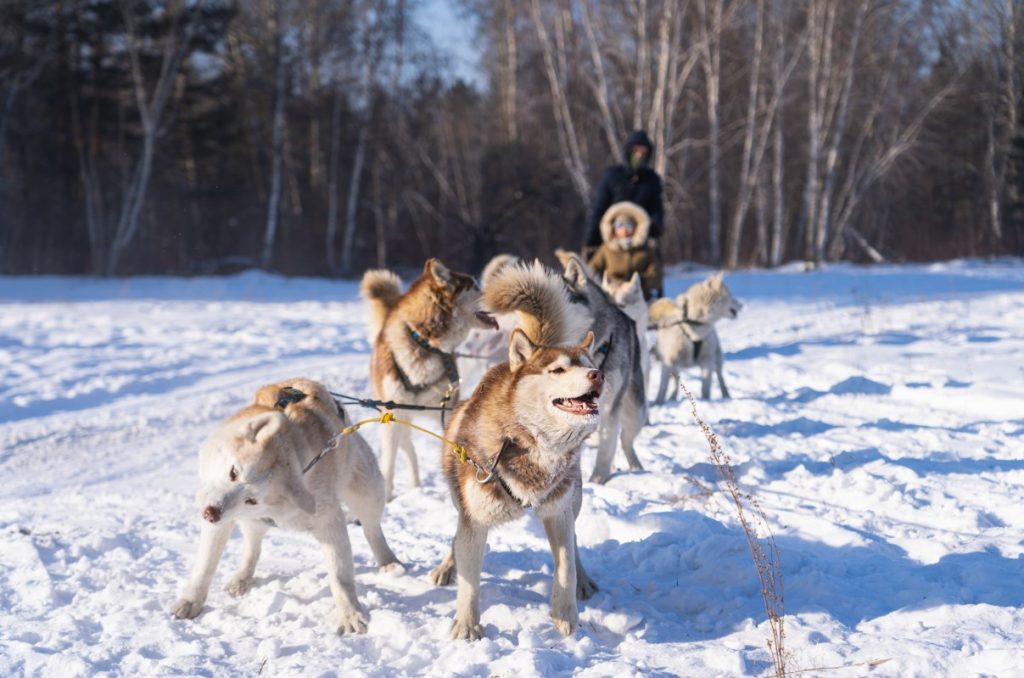
Pulling is a canine occupation that involves the use of dogs to pull sleds or carts carrying goods or people. This type of work requires a high level of strength and endurance from the dog.

Medium to large breeds, such as Siberian Huskies, are admired for their strength and athleticism, making them a great choice for pulling work. A number of exciting sports have grown out of this activity, including mushing, drafting, carting, and weight pulling. Mushing requires dogs to pull a sled for either practical means or fun activities. Drafting entails dogs utilizing carts or wagons typically used in agriculture or forestry work. Carting involves having canines pull a carriage filled with passengers or items often seen in parades. Lastly, weight pulling utilizes pooches to tow a loaded cart or sled primarily as part of their workout plan.

Recreational versions of pulling sports can be an exhilarating experience for both people and their canine companion. These activities can include skijoring, where a person is towed along on skis; dog scootering, which is when a pup pulls a small cart containing an individual; bikejoring, which is similar in structure but with a bicycle instead of skis; or even running or jogging together (canicross) – it’s sure to be an enjoyable activity for all involved!
To ensure success in pulling work or sports, dogs must undergo comprehensive training and conditioning. This involves teaching the pup basic obedience commands as well as specific techniques for responding to the handler’s cues. To protect the dog’s wellbeing, it is essential to gradually increase the strength and endurance of your pup and not to put them under too much strain or load.

Whether working as a pulling dog or participating in a recreational pulling sport, medium to large breeds are valued for their strength and endurance.

4. Search and Rescue

Search and rescue is a canine occupation that involves the use of dogs to locate missing or lost persons. Search and rescue teams often consist of extensively trained volunteers (i.e., ordinary owners with their well-trained pet dogs).

Any breed of dog can be trained for search and rescue work, but large breeds are often preferred due to their size, strength, and stamina. Search and rescue dogs are trained to locate and alert their handlers to the presence of a missing person, using their sense of smell, hearing, or vision.

Search and rescue work requires a high level of intelligence, obedience, and athleticism from the dog. It also requires extensive training and conditioning, as search and rescue dogs may be called upon to work in a variety of environments and conditions, including rough terrain, extreme temperatures, and poor visibility.

To prepare for search and rescue work, dogs need to undergo extensive training and conditioning. This may include basic obedience training, as well as specific commands and techniques for locating and alerting their handlers to the presence of a missing person. It is important for handlers to use positive reinforcement and rewards-based training methods, as well as to follow safety protocols and guidelines.

Whether working as a search and rescue dog or participating in search and rescue drills or exercises, any breed of dog can be an invaluable asset in the efforts to locate and rescue missing or lost persons.

5. Law Enforcement and Protection

Law enforcement and protection is a canine occupation that involves the use of dogs to assist law enforcement officers or to protect individuals or property. This type of work requires a high level of intelligence, obedience, and athleticism from the dog.

Large breeds like German Shepherds are often chosen for law enforcement and protection work due to their impressive physical strength, endurance and ability to carry out a broad range of tasks. Various sporting activities have evolved from law enforcement and protection work, such as police dog work, Schutzhund, and French Ring sport – all of which make for an exciting experience for both the pup and handler.
Police dog work requires dogs to provide assistance to law enforcement officers in several areas, including obedience, directed attack, defense of handler or object, tracking, scent detection or discrimination, and agility. The skills and abilities acquired through these tasks can prove invaluable and bring greater levels of safety to those on the front line.
Schutzhund and French Ring Sport are two popular German and French sports that require the use of dogs to demonstrate their proficiency in a variety of tasks such as tracking, obedience, and protection work. To ensure success in these sports, handlers must provide their canine companions with comprehensive training and conditioning – including basic obedience commands, specific techniques for performing various tasks, positive reinforcement, reward-based methods and adherence to safety protocols.

Whether working as a law enforcement or protection dog or participating in police dog work, Schutzhund, or French Ring sport, large breeds are valued for their intelligence, obedience, and athleticism.

Continue Reading Canine Sports


Sources

  • The American Kennel Club (AKC) is a well-known organization that recognizes and hosts events for a variety of canine sports, including conformation, obedience, agility, rally, and more. You can find information about these sports and upcoming events on their website: https://www.akc.org/sports/
  • The CKC website (https://www.ckc.ca/) is a good resource for learning about the organization and its programs and services. You can also find information about upcoming events and shows, as well as resources for dog owners and breeders.

Silver Lab Dog: Everything You Need To Know

Silver Lab Dog

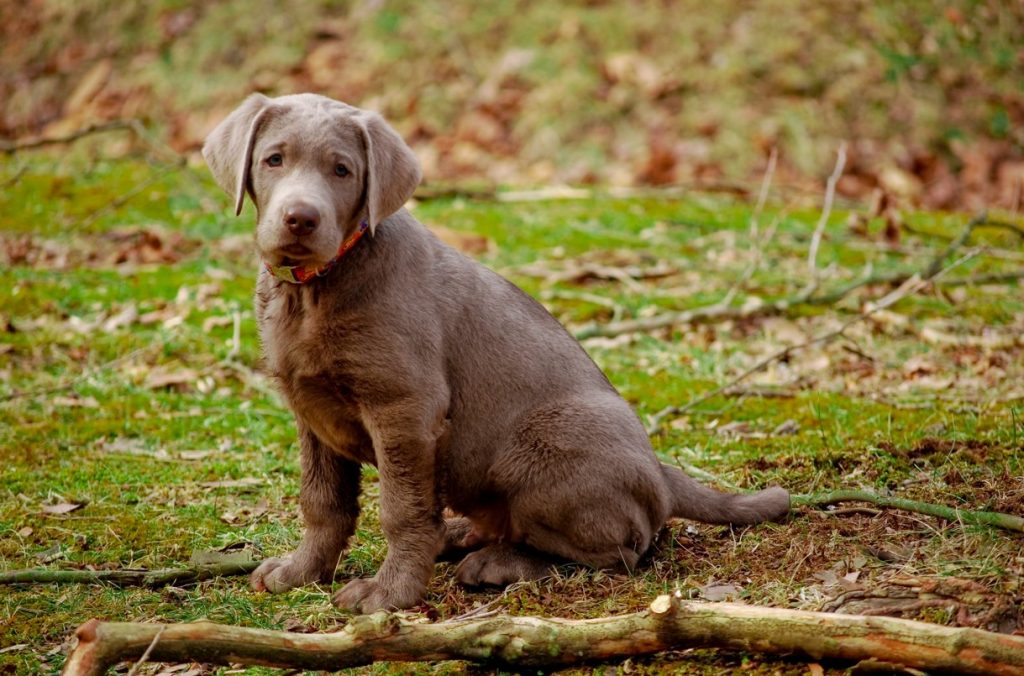
If you have witnessed the beauty and energy of Chocolate Retrievers, then here we present another proud addition to the Labrador family – the Silver Lab.

Akin to all the other members of this family, the Silver Labs are intelligent, loving, and full of energy. But what makes them stand out among others is the unusual coat colour.

The blue-silver/grey colour of the coat is something that named the dog as Silver Labrador. So, if you are thinking about having this dog breed, then all you need to do is to keep reading.

In this writing, we will discuss everything regarding this stunning Retriever to help you make the right decision before adopting one.

  • Breed Family: Sporting group
  • Height: 21-24 inches
  • Weight: 55-80 pounds
  • Colour: Silver/Grey
  • Dog-Friendly: 5/5
  • Temperament: Active, friendly, intelligent
  • Activity Levels: Upwards of 1 hours per day
  • Needs for Grooming: Moderate
  • Life Span: 10-14 years

What is a Silver Lab?

Basically, the creation of two recessive genes (these dogs belong to the Labrador family.)

Most people are of the view that there exist only three types of Labradors, including black, yellow, and chocolate. However, with the silver-grey-blue coat, Silver Labs have made their spot as well.

Till now, their pedigree is not confirmed, so they can only be work dogs. Originally this breed was bred to be used as gun dogs, but now they can either be gun dogs, obedience dogs, show dogs, or sniffers.

Being a working dog, Labrador possessed a significant amount of energy in them and required an hour of exercise to balance that energy.

Dog Appearance:

The Dog has a broad skull with a full chest and back. The ear is floppy like all other Labradors with a thick tail.

Their coat is also similar to that of other members of the family, dense, hard, and straight. However, it’s the colour that distinguishes them from other Labs.

They have a double coat of silver-grey-blue colour, and from here, they got their name as Silver Lab.

Also, they shed hair heavily, especially during fall and spring. Some of them have blue eyes, but that is acutely rare.

The Origin of the Silver Colour Coat:

The most distinguishing feature in this breed is the silver-grey coat, but have you ever wondered where they get this unique appearance?

The silver-grey-blue colour of the dog coat comes from the two recessive genes, as mentioned earlier. In a Silver Labrador, instead of a usual combination of dominant-dominant genes or dominant-recessive gene, the mixture becomes recessive-recessive.

This combination is known as the dilution gene, and it tends to dilute the colour of the coat in Labradors. So if the Chocolate Lab possesses two recessive genes, then it tends to drift towards a much lighter version.

Thus a Chocolate Labrador would become Silver Lab, Black Labrador, Charcoal Lab, and Yellow Labradors dilute to Champagne Labradors.

Structure of Silver Labs:

Along with a broad overall body structure, these beautiful dogs could be 21-24 inches long. An adult Silver Lab could weigh between 55-80 lbs. Females are slightly shorter than a male, but that difference is not very obvious.

The Nature of Silver Labrador:

Similar to other Labs, the Silver ones are also jolly, loving, friendly, and intelligent. They could be friends with your family and friends, offering you all a great time watching them play.

The Silver Labs are the powerhouse of the energy and get bored quickly if left unattended for a long time. If you leave them for a long period, they will find entertainment for themselves all on their own.

Most of them like to bark if they get bored, and others tend to chew things that might be precious to you.

So to keep them calm! It is essential to not leave them alone for an extended period as they are usually a friendly dog and love being around people, you can leave them with anyone.

The dog day-care centre could also be a great solution. If you are thinking about having a Silver Lab, then you have first to arrange their entertainment or engagement to divert their energy into something positive.

These dogs are extremely friendly and love to interact with other people and animals. They are playful and jolly around children and offer a great partner for them.

The Silver Labradors connect with children instantly and socialise with them accordingly. However, you have to keep a strict eye on their eating habits.

They have big mouths and love to eat so that they would find the food almost anywhere. So, the dog food packs you bought for your loving pup need to be hidden somewhere out of the range of your dog.

Training of Silver Labs:

Planning to have a dog? What about training them? Well, it might look quite a tiring task to train a dog, but here is the trick. The Silver Lab or any other dog breed can be trained well with a positive reinforcement strategy.

The Silver Labs have a gigantic appetite, so if you want them to learn quickly, reward them with treats. Moreover, this breed is quite intelligent, so they will learn quickly and make training an easy task.

Along with treats, you can also use toys as rewards for their correct behaviour.

As mentioned above, these Labs breeds are highly energetic and require to engage their energy into something positive otherwise; they get bored quickly.

You can play fetch with your pet, to burn the excessive energy.

“Silver Labrador Retriever – Is It Right for Your Family?”

Exercise Requirements:

If you want your pet to stay away from pouring down its energy on your personal items, then a 1-hour walk a day is a must.

A home with a backyard or an open space would be an ideal place to keep them.

This dog is not suitable to be kept in apartments where he does not have any space to walk or run.

Take your dog on a stroll every day to keep them active and healthy.

FYI: Your Silver Lab is a highly intelligent breed; you can unleash them to explore new places.

Caring for a Silver Lab:

Your adorable pooch requires your attention, love, and care. To keep them energetic and agile, they require daily exercise, and they need your constant care and attention.

You can take them for a stroll or a good run to keep them healthy and agile. Along with exercise, they require regular training and socialising. Socialising your dogs at a young age is crucial to make them acquainted with other dogs and people.

But what about the grooming of your loving pup? Grooming is an essential part of their routine to keep them healthy and tidy.

The dog requires a gentle and firm brushing to maintain a healthy and shiny coat. You have to take them for regular trimming and check-up sessions to keep them healthy.

Take your Lab pet to the dog saloon for beautiful hair and nail trimming and cutting. Brush their teeth regularly with a finger brush or chews.

Silver Labrador loves to swim and thus become prone to ear infections. So take them to a veterinarian for a complete check-up at regular intervals.

Hair Shedding is a Silver Lab:

They come with a double coat, and this makes them shed a significant amount of hair, especially during spring and fall. So, it is highly recommended to brush your dog twice a week to keep their coat healthy.

Moreover, in the shedding season like fall and spring, you can increase the brushing sessions. So if having this dog breed is in your bucket list, then invest in an excellent quality brush as well to keep their coat smooth and healthy.

Silver Labrador Diet:

A dog diet is an essential part of their health.

Being an average size dog breed, Silver Lab requires only one & quarter cup of dry food twice a day. But you can mix the dry food with the wet one to form a more balanced diet for your adorable pooch.

While purchasing food for your pet, it is prudent to choose a dog food containing 25% of protein and no rendered fat, wheat gluten, or corn in it.

We have already mentioned that Silver Labs are big eaters, so you must keep a check on their food intake to avoid obesity.

Healthcare Issues:

As these cute Labs belong to the Labrador family, they tend to have similar diseases as well. Mostly they fall for the elbow and hip Dysplasia and eye infections. So if you purchase a Silver Lab pup from a breeder, it is prudent to ask for its elbow and hip scores.

The double coat on the dog might also pose issues, including hair follicle infections and Alopecia. Although Alopecia is not something fatal, it might cause the appearance of patches on your Lab coat.

In general, this new Labrador family is a healthy, active, and energetic dog that loves to jump, run, and play and will have a usual life span of 10-14 years.

Are You Planning on Having a New Dog?

Having a new dog could be a positive and joyful addition to your family. But before moving ahead with your purchase, here are some tips for buying the healthy pup.

Go to a Reputable Breeder:

Always choose a reputable breeder to have a dog because a reputable breeder comes with a history of healthy breeding and puppies. Although Silver Labrador is a unique breed, a little effort would bless you with the desired results.

Ask for the Parents:

While visiting a breeder for a Silver Lab puppy, always ask for its mother or both parents. Meeting the mother of the pup would enlighten you regarding the nature, temperament, and personality of the puppy.

Ask for Documentation:

The American Kennel Club has certified this dog breed, so while buying one, you can ask the breeder for the documentation. But bear in mind, they will be listed as Chocolate Labradors.

Ask for Information:

A breeder is an individual with a massive amount of information regarding the breed you are going to purchase, so it is always prudent to ask as many questions as you want to gain great insight regarding the health, diet, and exercise needs of your beloved pup.

Conclusion:

A Silver Lab is an ideal choice for a family that has enough time, temperament, and energy to provide this beautiful and loving breed environment it deserves.

As mentioned above, the dog wants someone to be around all the time to keep them engaged, so you have to arrange your office and other chores before proceeding with your purchase.

Apart from the shedding factor, they are not a high maintenance breed and thus doesn’t pose any burden on your pocket. Once you have them in your life, they will make a special place in your heart and life on their own.

Who doesn’t love a loving, responsive, and sometimes silly dog? A Silver Lab is an excellent replacement for a best friend in your life as all they need is love and affection and provide you with the same.

If you have any queries or questions regarding this precious and handsome breed, then do let us know in the comment section.

HOME PAGE

13 Teddy Bear Dog Breed – Quick Facts and Videos

Teddy bear dog breeds

Hey, do you know the secret formula to make someone fall in love with you instantly? All it requires is a button nose, soft fur coat, and adorable eyes.

This is what you can have by adopting a teddy bear dog breed.

Want to have a pocket-size teddy bear looking dog for you? Then we have enlisted the best ones for you to ease your decision making.

Teddy bear dogs are the new addition in the dog family introduced in the early 2000s, and since then, the world is getting obsessed over these soft, lovable, and friendly pups.

If you are planning to adopt a pooch, then you have to bear in mind several key factors involved in getting a suitable pup for your family.

What is a Teddy Bear Dog Breed?

If you are thinking of what breed is a teddy bear dog, then let us explain that this beautiful furry pet is not one breed. There are several pure, and mix-breed dogs that fall under this category.

But what gathers them all under one umbrella are the similar features they share, including button nose, innocent eyes, and soft/fluffy fur.

Cavapoo:

Want the closest match to Paddington Bear? Get yourself a Cavapoo! A designer adorable mix breed; is a cross of Cavalier King Charles Spaniel with any Poodle.

The Cavapoo is an extremely friendly, lovable, and intelligent dog breed that adapts to the environment promptly. They can range from 9-14 inches and can weigh up to 7-18 lbs depending on the Poodle used for the cross.

You can find Cavapoo in a variety of colours, including white, black, Blenheim, but the highly demanding and common one is Gold.

Cavapoo is a gentle, loving, smart teddy bear breed that gets along with people, especially with children. All these features make them a perfect choice for your family.

Pomchi:

A rather stubborn breed we get from the cross between a Chihuahua and Pomeranian, Pomchi is most suitable for the single owners.

These appealing but spunky dogs are loyal to their core to their owners. So rest assured if you have a Pomchi, he is going to protect you no matter what comes in the way.

They are not very friendly to strangers or other dog breeds. However, with some socialisation efforts, they can become familiar with them.

A Pomchi weighs from 5-12 lbs. and can be 6-9 inches in height, but this does not define their endurance. You can find a Pomchi in a variety of colours, including fawn, chocolate, cream, tan, black, and even blue.

Morkie:

A highly social and affectionate crossbreed between a Yorkshire Terrier and Maltese, Morkie loves to play and have fun, making them ideal for the family with children.

Although they need extra care due to their small stature, being small gives them health advantages.

If you have this teddy bear dog breed in your home, you don’t need ample space for their exercise. All they need is a daily walk, and they are good to go.

Morkies might give you tough time training and handling them as they demand constant attention. If you have a Morkie, make sure you clean its teeth regularly. Due to their small faces, they may face overcrowding of teeth.

If you maintain a good health routine, a Morkie can live up to the age of 13, thus making them ideal for families.

Schnoodle:

If you don’t have small children, then you can go for Schnoodle as they can be a bit boisterous.

Schnoodles are the cross between any Poodle and a Schnauzer, and they can vary in size, weight, and colour depending on the parents. Their size ranges from 11 to 23 inches.

If you are planning on having this teddy bear looking dog, then be prepared for providing maximum care, attention, and time as they are pretty demanding.

A Schnoodle is an intelligent breed and learns quickly that makes them ideal in any setup. They usually get to the age of 15 years but might catch specific health issues, including elbow and hip dysplasia, cataract, epilepsy, or Patellar luxation.

The social behaviour of Schnoodles depends on the mating partners used for breeding. These are the happy, fun-loving dog breed but might give you a tough time while training them.

Cockapoo:

One of the most adorable and social teddy bear dogs is a Cockapoo. A beautiful mix of a Poodle with a Cocker Spaniel. They are the most sought after teddy bear breed due to their kind, social, fun-loving, and loyal nature.

If you have a Cockapoo, you need not worry about its interaction and socialisation with other dogs and people as they are quite friendly.

A Cockapoo is a highly energetic pet and needs routine exercise to consume the energy reserve positively.

They could be of various sizes, colours, and heights depending on their parents, but that allows them to be unique as well.

Due to their friendly and loving nature, the Cockapoo is crafted to be the ideal pets for families with children.

They have an average life span of 18 years but might face some health issues, including bones, eyes, and ear issues. So a regular check-up and exercise routine is a must for having this dog breed.

Usually, Cockapoo poses no issues, but they do demand attention and cannot be left alone.

Sheepadoodle:

Are you looking for an intelligent and loyal teddy bear dog breed? Then look no further as we have the Sheepadoodles for your home.

A breed mix of Old English Sheepdog and a Poodle, Sheepadoodles offers the best pet for your children. The Sheepdog is known for their herding qualities.

Sheepadoodles are very energetic and super active dogs that love to run, play, and have fun. But you have to be careful while having Sheepadoodles as their utmost devotion to their owner could lead to destructive results.

As it is the mix of two working dogs, Sheepadoodles demand regular and extensive exercise and stimulation routine to utilise their energy reserve.

As they are highly strenuous dogs, they tend to develop various bone issues.

Maltipoo:

Do you live alone and want a partner for cuddles? Why not adopt a Maltipoo? Maltipoo is the crossbreed of a Toy Poodle and a Maltese, which is an exceptionally adorable breed.

Due to their loving nature, they seek more attention and love from their owners.

This small teddy bear dog can attain a height up to 14 inches and thus gives you a small pup for the cuddles and snuggles. Maltipoos are a brilliant dog breed that adapts and learns quickly.

One drawback of having a Maltipoo is they can express separation anxiety. They can develop depression while leaving alone, but this only because they form an incredible bond with their owners.

As far as their health is concerned, they are prone to health issues of Poodle and Maltese breed, including skin issues, retinal atrophy, patellar luxation, epilepsy, etc.

Maltipoos can live to the age of 13 years and thus suitable as a family pet.

Cavachon:

Do you need a low maintenance pet with the highest cuteness level? Then take the Cavachon. Cavachon is the mixed breed of Cavalier King Charles Spaniel and a Bichon Frise and offers you the cutest ever dog breed.

A Cavachon is your ideal choice if you are looking for a pet with an amiable nature, minimal shedding, and a smart mind.

The Cavachon breed is usually white with black, apricot, or tan markings. These cuties can grow up to a height of 13 inches with a weight of 20 lbs.

These are extremely friendly and sweet dog breeds that love to socialise and play. They don’t need a large space to live and are usually accommodated in a small apartment setting.

Cavachon is the result of the two most friendly, active, and playful breeds, so they are ideal for young children.

While choosing Cavachon, you need to ask about the parents and the previous history regarding SyringoMyelia or any cardiovascular disease.

Miniature Goldendoodle:

Want a gentle, friendly, and loving mini pet with guarding abilities? Go with the Miniature Goldendoodle. The Miniature Goldendoodle is the fantastic mix of Golden Retriever and a Mini Poodle.

The first Miniature Goldendoodle was bred in the 1990s, and since then, they have become the first choice as a companion.

The Golden Retrievers and Poodles are known for their gentle nature, so a Miniature Goldendoodle makes a good fit for the family with young children. They are social beasts and love to bark so you can have a watchdog along with a cute pup.

This miniature teddy bear dog breed usually weighs around 30 lbs. And it is sufficient to knock down the insurgents. They are energetic, enthusiastic, and bouncy and offer you a great addition.

Shorkie:

Looking for a lapdog? Why not a Shorkie? Combining the Valour or a Yorkshire Terrier and loyalty of Shih Zu, we get this beautiful, smart, and energetic breed.

This stubborn pooch is a highly intelligent breed but may give you a tough time due to its tenacious nature.

Shorkies possess an extremely fierce protective nature and, if not trained, could develop into aggressive behaviour. Due to this possessive nature, they are not suitable for families with children.

Shorkie experiences minimum shedding and could be an ideal choice for those suffering from allergies.

They demand social training from a young age in order to make them friendly with other people and dog breeds. Due to the possessive nature of Shorkie, they also suffer from depression and separation anxiety.

So, if you want to avoid the development of destructive behaviour in your pup, it is prudent to not leave them alone for extended periods.

Malshi:

These quick learners are next on our list of teddy bear dog breeds and grab a particular spot due to their charming personalities.

They are the perfect mix of Shih Tzu and Maltese and offer the flawless cuddle partner. They are a smart, intelligent, highly adaptive dog breed that can adjust to any living environment.

Like their cousin Shorkie, they are also highly devoted to their owners and demand excessive care and attention. If left alone, they could develop destructive behavior depression.

Also, if they are not trained accordingly, they could get nervous in new settings and start excessive barking.

However, unlike Shorkie, they show more patience while around children and thus offer an ideal choice for families with young children.

You can have a Malshi in any of the three different colours, including black, white, and brown. But you have to be careful regarding their exercise and grooming routine to avoid tangles.

As far as the health of a Malshi is concerned, they are prone to elbow and hip dysplasia, hyperthyroidism, or eye problems.

With the proper care and nurturing, a Malshi can live up to the age of 14 years.

Samoyed:

Highly renowned and distinguished dog breed in the world, Samoyed is the teddy bear dog that adds beauty to your home.

Although they are famous for their white fur, you can also have them in cream, white and biscuit colour.

Samoyed is a highly jolly and fun-loving dog who poses a perfect companion for the home with young children.

But the Samoyed are high maintenance dogs and require constant care, nurture, and grooming. To maintain their fluffy coat and beauty, you have to schedule grooming appointments for them.

Their fur keeps on shedding throughout the year and thus is not suitable for people with allergies.

They are highly friendly and love to socialise, so if you are looking for a white teddy bear dog breed with excellent social abilities, then the Samoyed is the one.

With the ideal nurturing and care, a Samoyed can live up to the age of 10 to 12 years.

Pomapoo:

Combine a fluffy Pomeranian with the somewhat curly Poodle, and the results would be the lovely and charming Pomapoo.

Pomapoos are a profoundly gentle and friendly breed. They have inherited this dynamic and welcoming nature from their parent breed and thus ensure a small size dog with rather a large personality.

The size, colour, and height of a Pomapoo entirely depend on the parents used for breeding. However, a normal Pomapoo can range in height from 6-10 inches and of 6-9 lbs. in weight.

As far as their health is concerned, the Pomapoos are more prone to tracheal collapse. If the breeder uses a bigger poodle, the chances of tracheal collapse can be reduced to a significant extent.

If you intend to adopt this teddy bear looking dog, it is prudent to ask the breeder to ensure that the parents are PRA free.

The pomapoos are also prone to develop Addison disease and thus need regular check-ups and grooming.

Cairnoodle:

A beautiful cross of Cairn Terrier and a Mini Poodle, Cairnoodle is a pup born to be loved.

Cairnoodle is a highly social, energetic, and friendly dog breed, but due to a strong bond with the owner, they can show separation anxiety if left alone.

However, if you start training these teddy bear puppies while young, they can develop strong social skills for other people and dogs.

Ensure the regular check-ups of your Cairnoodle to maintain good health. If not careful enough, they may develop epilepsy, patellar luxation, hypothyroidism, elbow or hip dysplasia, and so on.

So always ensure the safety and good health of your pup with care, nurture, and medical attention.

Health Guide for Adopting a Teddy Bear Dog Breed:

One of the most promising features of teddy bear dog breeds is that they always look cute, adorable, and innocent like a small puppy. However, if you are intending on adopting a pup from this lovely dog breed, take into account some tips:

Always go to a reputable rescue organization or animal shelter to get the best possible breed. Reputable organizations are very concerned about the well-being of the dogs and will be able to provide you with information about the dog’s history and behavior.

Ask about the pup’s background, including information about its parents and any possible behavioral issues.

The teddy bear dog breed is a mixed breed and sometimes carries genetic diseases from its parents. So make sure you get the pup checked by a veterinarian and inquire about any potential health issues.

Conclusion:

Adopting a pet is a big responsibility that requires devotion, care, and attention. If you are willing to put in the time and effort, then adopting a teddy bear dog can be a rewarding experience. There are many loving and deserving dogs in animal shelters that are in need of a forever home, so consider adopting before buying.

There are many websites that offer puppies for adoption, but some popular and reputable ones include:

  1. Petfinder.com: This website lists pets available for adoption from more than 13,000 animal shelters and rescue groups across North America. You can search for adoptable puppies by breed, zip code, and more.
  2. Adoptapet.com: This website allows you to search for adoptable puppies by breed, location, and organization. It also has a lot of resources for pet owners, such as tips on how to adopt a pet, training, and more.
  3. ASPCA.org: The American Society for the Prevention of Cruelty to Animals (ASPCA) has a page for adoptable animals, where you can search for puppies by location, breed, and other criteria.
  4. The Humane Society of the United States: The organization has a page that allows you to search for puppies by location and breed.
  5. Local Animal Shelters and Rescue Organizations: You can also try contacting local animal shelters and rescue organizations in your area. These organizations can provide you with more specific information about adoptable puppies in your area, and you can visit to see puppies in person and get to know them before making a decision.