Make a Sweet Gum Ball Dog Ornament: Easy Tips for Designing Animals from Natural Craft Materials

Sweet gum ball Christmas ornaments are open to plenty of imaginative interpretation by each artist. Grownups will also enjoy making the simple ornaments, transforming them into different types of dogs by adding additional gum balls or creative details.

To use the sweet gum ornaments as miniatures, simply omit the thread cord or ribbon use for hanging them. Sturdy twig or pasta legs can allow the mini dogs to stand on their own for display.

Materials Needed:

  • • dried sweet gum balls
  • • dried corkscrew pasta (rotini noodles)
  • • hot glue gun w/ glue sticks
  • • craft glue
  • • craft paint
  • • paint brush
  • • seed beads in various colors
  • • acorn caps or medium-sized craft beads
  • • pine cone pieces or construction paper

Assembling the Dog’s Body

Empty any seed debris inside the dried gum balls. Glue together two sweet gum balls to form the dog’s body (three for long breeds, like dachshunds). Sweet gum ball sizes vary, so choose large ones for large-chested dogs when forming the body. Glue a sweet gum ball above the chest to form the head.

Paint four pieces of pasta with the chosen dog body color, then glue two pieces of pasta to each side to form the dog’s legs. For smaller legs (and smaller dogs) substitute mini macaroni noodles for corkscrew pasta. Wood twigs will also work, but tend to snap more easily and can be difficult to trim to size.

Glue a piece of pasta to the rear to form a tail or use a small strip of felt for the tail and ears. Paint the dog’s body with the desired color using craft paint, then let the ornament dry.

Adding Facial Features

Form the dog’s muzzle by gluing a painted acorn cap to the front of the face. Add ears or facial features from broken bits of pine cones or tiny seeds for a more natural ornament effect, if synthetic substitutes are not ideal for the ornament’s purpose.

For easy kid-friendly decorations, use a bead glued to the front of the sweet gum ball to for the dog’s muzzle; use construction paper to form ears, or even a tail if so desired. This avoids the messy seeds or fragile twigs needed for an “nature-themed” design.

Adding Details to the Ornament

Use seed beads to form a nose and eyes on the dog’s face. Brush them lightly in glue and press them onto the face. Or paint the features directly onto the sweet gum ball using a tooth pick and craft paints.

Glue a loop of ribbon or thread to the back of the ornament in order to hang it on a Christmas tree. Use them as party favors and mini gifts attached to packages or display them proudly on the family tree.

How to Train a Dog to Come when Called: Training Your Dog and Teaching Him to Obey the Command “Come Here”

Training your dog to obey basic commands gives you a chance to interact with your dog and bond with him. In addition, training your dog to come when called is a basic command that every dog should know. By training your dog to come when called, you will have more control over your dog’s behavior.

Fortunately, training your dog to come when called is simple with a little patience, a little time and some treats that your dog enjoys.

How to Train Your Dog to Come when Called

To train your dog to return to you on command, you will need to start working with your dog in a calm environment where your dog is unlikely to be distracted. Do not attempt to teach this behavior if your dog is excited or barking.

When your dog is calm and relaxed, step a few feet away from your dog and call him toward you. Do not move far away. Move just far enough that your dog is likely to follow you when you get his attention. Use a command such as “come here” and reward your dog with a treat when he comes to you. If he does not come, do not punish him. Simply do not reward him.

Work with your dog in this fashion for 10-15 minutes a few times each day. Do not make the training sessions long and try to make them as fun for your dog as you possibly can.

When your dog is responding consistently to your command to come at a distance of a few feet, try moving a bit farther away from your dog and repeat the exercise. Always reward him with a treat when he comes to you.

Training Your Dog to Focus on You

Make a habit of placing the treat right in front of your face before giving it to your dog. This trains your dog to look at and focus on you when you command his attention.

When training your dog in this fashion, always reward positive behavior and never be stingy with the treats. Never punish your dog if he does not perform properly. Simply try again later and reward him appropriately when he does obey your command.

Soon, your dog will be coming to you regularly when you call him and will be focusing intently on you once he returns to you.

Once your dog is responding to you consistently in an environment without distractions, you can start working with him in other situations when you would like to be able to call him back to you as needed, such as when another dog is approaching in an aggressive fashion or when your dog is exhibiting unwanted barking behavior.

Australian Shepherds as Pets: Bright, Energetic Aussie Breed is a Great Dog for Active Families

The Aussie Shepherd did not originate in Australia. It is an American breed first used by Basque shepherds from Australia, mainly in the Western states. Their intelligence and cooperative nature make them fun to have but also challenging. If no one in the family will become the leader, an Aussie will be happy to fill the gap. The breed is mid-sized, 18″ to 23″ tall, weighing from 30 to 50+ lbs, with a bobbed tail and ears that fall over in front.

An Aussie Wants a Job

Aussies are bred to work, so they must have a function to perform or they will make mischief due to excess energy. On a farm, herding sheep, cattle or goats is natural to them. They will also tolerate wearing a backpack and even help haul fruit at harvest time. They will follow their owner as he does his tasks and always want to be near members of their human family. If there is no literal work, an Aussie must be challenged by doing agility training, chasing frisbees or acting as a guard dog to alert the family to intruders.

Aussie Shepherds Need Social Interaction

This breed loves to be with other dogs as well as family members. Joining a doggie play group or walking pack is just perfect for them. Most Aussies are tolerant of other breeds and get along well if they have been socialized as pups. This is not a breed of dog to leave home alone or restrict to a small space without exercise. Barking, chewing rugs and other destructive behavior will result if they are not exercised or challenged.

Australian Shepherds Shed

They have an thick outer coat and an even denser inner coat. All Aussies shed constantly. Any owner of this breed with need a good vacuum and must be willing to use it often. Brushing the coat daily will minimize shedding on furniture or carpets

Four Acceptable Color Patterns for Aussies

The major color patterns are black (usually with reddish-brown markings), blue merle (black and gray), red, and red merle (red and silver). Eye color can be blue, amber, brown or hazel, and a dog’s eyes can each be a different color, one blue and one brown, for example.

Typical Behavior of Australian Shepherds

These dogs are very smart and often will learn many words used by their owners, giving the impression they are eavesdropping on conversations. They are also vigorous, with strong hips and legs, so they can jump high, often as high as 4′. They exhibit an unusual pouncing reflex, which they use to avoid being kicked by cattle, or when catching gophers. Aussies love to chase tires, especially bicycle tires, so they must be trained to restrain this impulse.

Aussie shepherds are loving, dependable dogs for families who have the space and energy to deal with them. They identify with their family, are protective of the children and especially like riding in the car. This breed lives a median 11 to 13 years.

Help Your Dog Go Green: Eco-Friendly Owners Use Biodegradable Doggy Waste Bags

mypuppystory.com

When respectful neighbors walk their dogs, they pick up the poop so that other people won’t step in it, so that it won’t contaminate areas where children may play, and so that the community remains aesthetically pleasing. But what type of bag is best for clean-up? Plastic bags can either remain in landfills for hundreds of years or risk injuring and killing wildlife. Eco-friendly biodegradable dog waste bags made from corn decompose within weeks.

Environmental Dangers of Plastic Bags

It may seem cost effective in the short term to use free plastic bags from the grocery store for pet waste clean-up, but it is costly to the environment in the long run. Plastic bags may remain in tact for 500 to 1,000 years. They accumulate in landfills, and strays can kill marine birds, whales, seals, turtles and other mammals. When animals accidentally ingest them, the plastic bags fill their stomachs, inhibit digestion of food, and cause starvation. Animals can also die when entangled or trapped by plastic bags.

Alternatives to Plastic Bags

Bringing reusable cloth sacks to the grocery store to transport purchases is a viable alternative to bringing plastic bags into the home. Many grocery stores sell reusable bags made from recycled materials for those who don’t already have cloth carriers.

Utilizing biodegradable dog waste bags is a responsible alternative to using plastic bags to clean up after pets. Several companies offer dog waste bags made from cornstarch that meet both ASTM and state standards for biodegradability, and decompose into rich compost.

Biodegradable cornstarch pet waste clean-up bags are readily available in pet stores. For example, PetSmart sells Pooch Pick-Up cornstarch baggies in economical packages that average only seven cents per bag.

Online companies also offer biodegradable pet waste bags, along with detailed information about the nature of their products.

BioBag dog waste clean-up bags are certified by the Biodegradable Products Institute. The bags are made from GMO free corn and no polyethylene is used in production. They reportedly decompose in 10 to 45 days in a compost environment, and will also biodegrade in fresh and salt water in 8 to 14 months.

Poop Bags meets the ASTM D6400 standards for biodegradability, and reports that their bags decompose in 60 to 90 days, just slightly longer than the decomposition time for an apple.

Benefits of Biodegradable Cornstarch Bags

  • At a cost of six to ten cents per bag, biodegradable cornstarch pet waste clean-up bags are an inexpensive way to help the environment.
  • Readily available in nearby pet stores and online, they are a convenient way to personally curb waste and pollution.
  • Instead of filling the earth for up to 1,000 years, they turn into compost in 10 to 90 days.
  • Because of shorter decomposition time, there is less likelihood of causing harm to wildlife than with the use of plastic bags.
  • Bags made from GMO free corn alleviate concerns that genetically modified organisms may negatively impact natural plant and animal life, and human health.
  • Polyethylene free production reduces the release of unnatural hydrocarbons and carcinogens into the environment.

Biodegradable cornstarch pet waste clean-up bags are a practical way to reduce plastic trash that is hazardous to the environment, and help pet owners and their dogs to preserve the earth.

Petco Unleashed Chihuahua Races: Smallest Breed Dogs Compete for America’s Fastest Chihuahua Title

Chihuahua racing is catching on. The national pet store chain held the first Petco Unleashed Chihuahua races in 2005 and the number of contestants has grown each year. Many are held in conjunction with fairs, games, and other festive events.

What Is Chihuahua Racing?

Much like the popular Dachshund races, Chihuahuas are released from starting boxes to scamper down a 35 foot track toward their ‘receivers.’ Contestants are household pets and races are all in fun. Part of that fun is watching the tiny dogs’ various versions of racing. Some shoot straight for the finish line while others visit with spectators or turn around and go back to the starting box.

All kinds of Chihuahuas compete – smooth haired, long haired, apple head, and even mixes. Winners of regional races gather at Petco Park in San Diego each year for the nationals.

Recent Chihuahua Race Winners

The first dog to claim the title, America’s Fastest Chihuahua, was Chalupa, a little light colored pooch from Hammond, Indiana.

A brown and white Chihuahua mix from Bakersfield California named Tiger won his regional race with a time of 2.0 seconds and went on to earn the national title. His proud owner, Cathy Smith, describes him as very energetic with attitude and says, “He got named for his attitude towards people and other dogs.”

Maddy, a scruffy little dog from New York City, made her owner proud with a winning regional time of 2.3 seconds. She went on to capture the national title as well. Sue Yee says Maddy trains for racing by swimming at the doggy beach and doing doggy yoga.

Tiger made a comeback and once again holds the title, America’s Fastest Chihuahua. As thousands of Chihuahua lovers cheered the finalists on, he made the 35 foot run in a speedy 1.9 seconds, passing up 14 other regional champions. Although he yawned as Cathy proclaimed him to be an “absolute champion dog” he hammed it up for cameras by giving kisses to the Petco guy presenting the shiny trophy.

Inspiring Chihuahua Stories

According to Sally Johnson, assistant Petco store manager in San Ramon, the Unleashed races are held to promote the human/animal bond and to encourage pet adoptions. Just about any Chihuahua or Chihuahua mix can compete and some have quite inspiring stories.

The Bay Area Regional Champion, Chloe, was once homeless. The dark colored Chihuahua/Pug cross was adopted from a local shelter by her new family and quickly rose to stardom in the racing world.

Isabelle, the Sacramento Regional Champion, flubbed her first race by turning back to the starting box. A weight problem caused her to run slow in her second race but after the diagnosis of a thyroid problem, Isabelle got treatment, lost weight and zipped to the finish line ahead of all the other little dogs.

Chihuahua racing is great exercise, a good doggy self esteem builder, and just plain fun.

Dog Breeds Evolved After Domestication: Both the Domestication of Dogs and Genetic Studies Benefit Humans

Dogs are descended from wolves, but in the process of domestication their look and behaviour have been modified, and so have their genes.

Dogs Descended From Wolves

Some wolves had become dogs at least 15,000 years ago, but exactly how this domestication came about is not clear.

  • • Maybe early human hunters actively captured and bred wolves, thus domesticating them, or perhaps some wolves learnt to hang around humans to scavenge on scraps – gradually developing into separate populations, and the most efficient of these early wolf-dogs got tamer and tamer.

  • • However it happened, the alliance between dogs and humans was beneficial to both. The dogs had a plentiful food supply, and the humans benefited from the dog’s excellent hearing and keen sense of smell.

  • • Early humans used dogs in a variety of ways – as guards, for hunting, and for pulling sleds.

  • • When humans developed agriculture and settled down in villages and towns dogs performed the useful task of removing human waste and food rubbish. This was good for the dogs (good regular food supply), and also good for the humans (reducing diseases associated with poor sanitation and piles of rubbish).

  • • It has even been suggested that the domestication of the dog was a crucial stage in the evolution of modern humans (‘Dogs make us human’ – Tacon and Pardoe, Nature Australia).

Different Dog Breeds

All dogs are the same subspecies of the Grey Wolf – all dogs are classified scientifically as Canis lupus familiaris. Within this subspecies there are many (thousands) of distinct types known as ‘breeds’ of dog.

There are thought to be around 400 million dogs in the world, and there is more variation in size, appearance, and behavior between dog breeds than there is in any other domestic animal, for example size ranges from a few inches (Chihuahua) to a few feet (Irish Wolfhound).

The study of the genetics of some dog breeds has helped people understand the genetics of certain human genetic disorders.

Dog Genes and Human Genetic Disorders

The genes that cause the particular characteristics of some dog breeds have been identified, and in a few cases the same gene has been found to be present in humans with a genetic disorder. Two examples will suffice:

The Rhodesian Ridgeback has duplications in the fibroblast growth factor genes FGF3, FGF4 and FGF19. This gives the breed its characteristic ‘ridge-back’. In humans it has been found that mutations in the genes encoding certain FGFs cause cleft palate, while mutations in FGFR2 have been linked to spina bifida.

In Boxers the MITF gene, that helps control the development and function of pigment-producing cells, is also important for hearing. White Boxers are frequently deaf. In humans mutations of the MITF gene cause pigment changes and loss of hearing (Waardenburg syndrome type 2).

Further studies of dog genetics are likely to shed light on a range of human genetic problems.

Did You Know? Five Amazing Facts About Dogs

Many families choose to share their homes with a dog. In some cases, many dogs. Some dogs work, others provide valuable companionship, many are considered one of the family. Dogs are warm, friendly animals with healthy appetites and very affectionate natures.

This article looks at five amazing facts about dogs and celebrates these wonderful animals.

The Oldest Breed of Dog in the World

Salukis are believed to be the oldest breed of dog still to survive to this day. According to National Geographic Magazine, salukis are ancient hunting dogs, used to hunt hares and gazelles. Archaeological evidence suggests that they were around way back in the 6th millenium B.C. In the Middle East, they are used as hunting dogs for sport.

Free Running Huskies

Husky dogs are famous for their tremendous strength and endurance, particularly in extreme weather conditions. The Siberian Husky Club of Great Britain report that, if set loose, huskies will run and run until they are completely lost. They just love running! Huskies are also very independent dogs, they may or may not return when you call them. The Siberian Husky Club warns that, in temperament, husky dogs are more like cats that other dogs.

World’s Tallest Dog is Called George

A Great Dane from Arizona is, according to the Guiness Book of Records, the world’s tallest dog. Standing at more than two metres tall, this is one huge dog! He weighs 111 kilos (17.5 stone) and is 2.2 metres tall (7ft 3in). The world record for largest or heaviest dog, is not kept, in order to discourage owners from over-feeding their pets.

The Smallest Police Dog in the World

The Independent newspaper reports how a chihuahua called Momo has become the smallest police dog in the world. At just 10in tall, Momo is a tiny police dog. She is seven years old, weighs 6lbs and lives in Japan. She is a search and rescue dog and her small build may mean she is able to squeeze into places larger dogs would struggle to go.

Most Popular Names for Dogs

Most people seem to choose conventional or traditional names for their dogs. BBC News reports that from 2015 to 2016, the most popular names for dogs in Scotland were Max and Holly. Other popular names included Ben, Sam, Lucy and Jake.

House Training a Puppy: The Four Main Techniques to Potty Train Puppies or Adult Dogs

mypuppystory.com

Dogs that aren’t housebroken are much more likely to end up in a shelter. Every puppy and dog should understand that going to the bathroom in the house is unacceptable.

Preventative dog training methods

Preventing your dog from ever going to the bathroom in the house is critical to having a house trained dog. There are essentially two ways to prevent your dog from using your house as his bathroom:

  1. Crate training – When you are not home or are too busy to watch your dog make sure to keep your dog in a crate or kennel. Crate training a dog is a natural and easy way to give your dog a ‘den’ where he feels comfortable and safe and will avoid going to the bathroom.
  2. Leash training – When you are home make sure to keep your dog or puppy with you. The easiest way to do that is by keeping your dog on a leash. If your dog is on a leash you are always in control and can maintain a constant eye on your dog.

Encouraging proper dog behavior The second step in housebreaking a dog is perhaps the easiest step. When your dog goes to the bathroom outside make sure to praise him heavily. Praise can be done in the form of physically petting your dog or giving a treat. Whatever you do, make sure to help your dog know that going potty outside is a lot of fun.

Correcting unwanted behaviors with your dogRegardless of how well you are supervising your puppy and praising him for using the bathroom outside you are still going to encounter ‘accidents’. The important thing is to make sure you catch your dog in the act. As you catch him in the act quickly rush him outside as you tell him ‘no’ in a firm but calm voice.

Setting a schedule and structure for your dogGet your dog on a schedule. There are three routines that you should control with a puppy or dog:

  1. Food – Your dog should be eating from one to three times a day depending on age and your schedule. Don’t leave food out but make sure that your dog is eating when you set down the food dish.
  2. Water – If your puppy has a hard time ‘holding it’ throughout the night make sure to remove his access to water after about 7pm or so.
  3. Bathroom – Take your dog out to the bathroom first thing in the morning and last thing at night. Take him out after eating and an hour after eating and take him out when you remove him from his crate. You can also take him out whenever else you feel he needs to go.

Follow these steps for house training your puppy and in no time you will have a housebroken dog.

For the Love of a Basset Hound: Short Bodied, Big Eared Love. This Animal is Designed for You.

mypuppystory.com

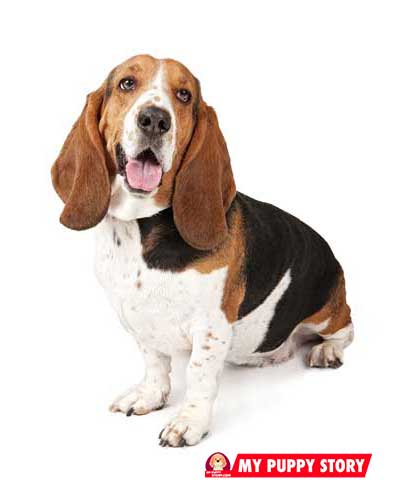
Basset Hounds hail from French ancestry. Basset comes from the French word “bas” which means low-set. One look and you’ll see the Basset is definitely low to the ground. One thing is for sure, there is no mistaking a Basset Hound. With their amazingly large ears and their long, soulful howls these animals captivate the hearts of many. These animals are the cousin of the Bloodhound. In England and France, many clubs use Basset Hounds in their hunting packs. So what makes these animals such a great pet to have? Well there are hundreds of reasons. According to the Basset Club of America, these animals have the following traits:

  • They are very good natured pets who are very affectionate.
  • They have a “pack” mentality which means they do well in group settings versus being alone.
  • The have a keen sense of smell. For this animal, a keen sense of smell can be a good thing and a bad thing depending on the situation. Due to this fact, it is best to keep these animals in a fenced area. You don’t want their sense of smell to pull them right in front of a vehicle.
  • With their small stature, Bassets are prone to low activity levels. They may have small bursts of rapid energy but they will tire quickly. Due to their low activity levels, Bassets have been known to be a little on the obese side.
  • The average weight of a Basset Hound is between 50 and 65 pounds. So while they are small, they are hefty in size.
  • Bassets typically have two color patterns: a combination of black, white, and tan or red and white.

Basset Hounds have one of the best temperaments. This makes them an ideal pet for those with small children. Bassets simply want to be loved and have someone to play with. Have a only child? Well you’ve just found the ideal playmate for your child. Of course Bassets can be very stubborn and very hard headed. Housebreaking a Basset can also be quite a challenge. While Bassets are very obedient, they do still have a mind of their own. Bassets make excellent house pets but they also thrive in the outdoor environment. Like a big kid, they love running in the outdoors and chasing the local squirrels. The average life expectancy for a Basset Hound is 10 to 12 years. During this time you want to be sure to give them plenty of exercise by walking them daily. If you have a Basset Hound and are interested in joining a club there are several local, state, and national associations for Basset Hound lovers. These clubs are very beneficial because they allow the owners to really learn more about their pets breed as well as offers some opportunities to get your pet around other Basset Hounds.

The American Kennel Club has an excellent website that offers a lot of useful information on Basset Hounds. No matter what, the Basset Hound is an investment worth making. Sure the occasional barking and howling will get on your nerves. However, the love you’ll receive from this animal is well worth it.

The Australian Terrier, a Dog With Many Jobs: Plucky, Spirited Terrier from Down Under

Its ancestors originated from some English and Scottish terriers of the early 19th Century and most likely emerged from the same types as the as today’s Dandie Dinmont, Sky, Manchester, and Yorkshire terriers as well as the now-extinct Black and Tan terrier. (There is some controversy about whether the Cairn terrier and the Irish were part of the mix.)

Before being crossbred with other breeds from to establish a uniform type, rough-coated dogs with short legs and rough arrived from Britain on the first ships arrived in Australia. Today’s Australian terrier evolved from breeding efforts which began in Tasmania before spreading to the mainland, specifically to Victoria and then the other Australian states.

The first Australian terrier club was established in Australia in 1887 and dogs were exported to England shortly after that. Introduced to the U.S. in the 1940s, this terrier was recognized by the AKC but was not admitted to the registry until 1960 making it the 114th breed.

Aussies Have Many Functions

The Aussie terrier’s primary job was as a watchdog. Another purpose was to eliminate vermin and snakes. Sometimes these terriers would guard mines—specifically gold and opal mines near Melbourne, Victoria. In rare instances, the Australian terrier would herd sheep. Great companion dogs, they also function, unlike most terriers function as guard dogs making them one of the most versatile terrier breeds. These energetic dogs are affectionate and adaptable to their families, other people and animals, but like most terriers, they possess some potential for showing aggression, especially intact males competing for a bitch in heat. However, the Australian Terrier is suitable for novice dog owners and do well with older, considerate children.

That Australian Terrier Look

The AKC standard places their height at ten-to-eleven inches, at the withers, although its head stands high over its front. This terrier has a hard, straight outer coat and a soft, short undercoat. Permissible colors include blue and tan, all red, or all sandy. Ears should be small and point straight up from the head, and their small eyes should be round and of a dark brown to black color. The skull is slightly elongated with a strong, powerful muzzle with a slight fill below the eyes. Its nose is black, and the tail should be set high at a right angle from the body.

In general, the Australian terrier has relatively few health problems. However, diabetes and thyroid problems are not totally uncommon in the breed. Particulary warm climates can make them prone to allergies, and, as in other small dogs, luxating patellas, a disorder that casuses the kneecaps of the rear legs to slip in and out of its groove, can appear in Aussies. This problem is believed to be hereditary. Surgery can correct the most severe cases. Legg-Calve-Perthes, also inherited, is a condition, with an onset in five-to-nine month old puppies, in which the femoral head of the leg to degenerate causing in the deformation of the hip joint. and arthritis. This can also surgically resolved with good results.

As with all purebreds, it is essential to acquire your dog from a responsible breeder. He or she will provide a contract guaranteeing the buyer against any inherited problems of both health and temperament and will have provided a puppy with good basic socialization.

Good breeders most often request that you return any dog of their breeding for any reason– usually for the duration of its life.