Rimadyl for Dogs: A Medication Used for Canine Arthritis & Other Types of Pain Relief

Relieving pain is one the most important things a dog owner can do for their dog. Pain in dogs can occur for many different reasons. Common causes are:

  • degenerative diseases such as arthritis
  • trauma, causing injury to bones, joints or other body parts
  • surgical recovery
  • cancer

Methods of Pain Relief in Dogs

There are many different methods of pain relief which can be used for dogs. Among these are:

  • NSAIDs (non-steroidal anti-inflammatory drugs)
  • non-NSAID drugs, such as tramadol
  • neutraceutical supplements, such as glucosamine or chondroitin
  • alternative medicine modalities, such as acupuncture and acupressure
  • physical rehabilitation

Rimadyl as a Potential Source for Pain Relief for Dogs

Rimadyl is an NSAID medication which is commonly used in dogs to control pain. Rimadyl contains a medication known as carprofen which functions as an anti-inflammatory medication, in effect reducing pain by reducing the inflammation associated with injury or degenerative joint changes.

Rimadyl is labeled for use in pain caused by chronic arthritis in dogs and in reducing pain associated with surgical recovery. However, it is commonly used in veterinary medicine to treat pain from many different sources. The anti-inflammatory effects of Rimadyl make the drug ideal in treating any injury or medical condition in which swelling and inflammation is present.

How is Rimadyl Used to Relieve Pain in Dogs?

Rimadyl is available as a tablet or a flavored chew. There are also generic forms of carprofen available which provide similar results to Rimadyl in relieving pain.

Rimadyl is generally given once or twice daily and is dosed depending on the weight of the dog. Rimadyl (and other forms of carprofen) are prescription medications, so your dog will need to visit your veterinarian in order to begin taking Rimadyl.

Your veterinarian may recommend routine blood tests to make certain your dog is a candidate for receiving Rimadyl. If your dog is placed on Rimadyl on a long term basis due to chronic pain, it is likely that your veterinarian will recommend periodic blood testing to make certain that your dog’s liver and other internal organs are functioning normally.

What are the Side Effects Expected when Administering Rimadyl?

Rimadyl is a reasonably safe medication. However, as with any other medication, side effects may be seen. The most common side effects seen with Rimadyl are vomiting or diarrhea. The stools may become dark or black in color. A decrease in appetite and/or activity level may be seen as well. If any of these symptoms are noted, you should discontinue the Rimadyl medication and contact your veterinarian immediately.

Less commonly observed side effects are incoordination and seizures, aggression, increased thrist and water consumption, icterus (a yellow coloration seen in the gums), and skin rashes.

Safe Pet Products for Dogs and Cats: There’s a Host of Products Available, but Which Ones are Safest?

When it comes to the health of a dog or cat, pet parents want to make sure they are doing the best possible things for their pets and keeping them safe on top of that. For example, if a pet is experiencing fleas or has a tick, which products serve them the best? There are many products available at the pet stores and at the vet’s office, but certain products are known to cause more harm than good. This is the time to start asking questions and weighing the pros and cons about which products are best suited for certain pets.

Popular Products Containing Chemicals

There are certain well-known products (especially flea and tick products) that are on the market and are widely used for dogs and cats. Some of these products are safe and some are proven to cause potential harm to pets, although widely used. According to the EPA (Environmental Protection Agency), certain animals have reacted negatively and even died from these products, particularly spot-on pesticide products for flea and tick control. Before buying any products, it is best to read through a list of reputable and registered products, and then decide. The EPA has a list of registered products on their website for pet parents to use as a guide when choosing flea and tick products for their pets in order to avoid any problems or reactions.

Natural and Organic Products

If a pet owner does not want to choose the popular pet products on the market consisting of many harsh chemicals he can always take another route and choose pet sprays, powders and flea collars that are completely all natural. Many of these products contain essential oils that are known to repel insects; some even kill the insects on contact. When looking for a product of this sort, a pet owner may search for “herbal”, “all natural” or “organic” on the label. Some pet parents are also into making their own pet products such as flea shampoos, flea sprays and other types of repellents created with herbs and flowers such as pennyroyal or lavender.

Sampling Products

When sampling products for a pet, always take precaution to use the directed amount on the product and follow package directions. Spot check any new products and look for redness, rashes, swelling or other reactions from the pet. If the pet has a result such as listed, discontinue use of product or consult the veterinarian. Another good tip is to use the product on the pet when the pet can be monitored and not at a time when the pet and parent are apart. This way, the pet parent is available if there happens to be an adverse reaction to the product. The ASPCA recommends always consulting a veterinarian before using spot-on products on very young or old pets and pregnant and sick pets.

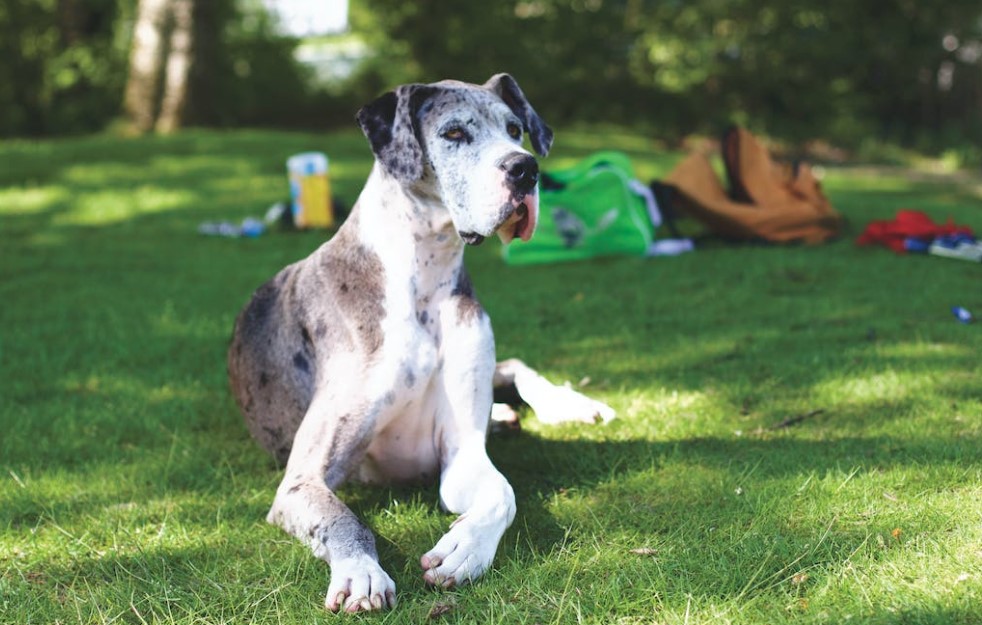
Great Danes as Family Pets: This Gentle Giant of a Dog Thrives Around People.

Great Danes

Before making a Great Dane part of the family, it is vital for the prospective owner to do his homework and find out as much as possible about the breed. There are many sources of information, both in print and online. The Great Dane Club of America is a good place to begin. Established in 1889, this organization strives to educate prospective owners about the breed in order to assure a positive experience for both the dog and the family. Great Danes are people dogs; loving, easy to housebreak and easy to groom, but without proper training and socialization they can be rambunctious, overprotective and difficult to control.

Great Dane Training

An untrained Great Dane can be a danger to itself, other animals, and humans. For this reason, proper training is essential and the responsibility of the owner. Between three and six months a Dane puppy should be enrolled in a puppy training class followed by a basic obedience class. It is important for this large, (they can weigh between 120 to over 150 pounds), dog to know and obey the five basic commands: heel, sit, down, stay, come. This breed is very sensitive and should never be trained using punitive methods like striking or yelling, but rather by motivational and instructive methods. Great Danes need daily exercise and should be allowed to roam loose in a securely fenced yard rather than being staked or tied. However, Great Dane puppies should not be allowed the run of the house until they prove that they are mature enough not to chew the furniture. A large crate, properly used, helps with both housebreaking and good manners.

Grooming a Great Dane

Great Danes are short haired and grooming them is relatively easy. Daily to weekly brushing, depending on the shedding cycle, and occasional bathing are usually all that is necessary. But owners should also remember that, like all other breeds, the Dane requires ear and dental care as well as toenail trimming.

Great Dane Health Issues

Great Danes are susceptible to a number of health problems. These include, hip dysplasia, hypothyroidism, certain types of cancer and blood diseases, heart disease, eye problems, and bloat. A great Dane’s life span is usually between 7 and 10 years.

Great Danes as Family Pets

Among the things a family should consider before acquiring a Great Dane are, if they can afford food, training, vet visits, toys and supplies; do they have the time to exercise and spend time with the dog? Are there elderly or frail family members who might be injured by an exuberant dog? If, after considering their decision carefully, a family decides to go ahead they might want to consider getting their Dane through a Great Dane Rescue organization. If they choose to purchase a Great Dane through a breeder, more research is needed to find one that is reputable and The American Kennel Club is a good starting point.

Herbal Medicine for Dogs: How to Treat Dogs with Herbs that Heal

Before the 18th century, most household pets were treated with plant food, mainly herbs that had also been used to treat ailments in humans. It was only during the 19th century that more and more toxic medicines were introduced to both human and animal medicine.

Today, many vets are turning back to the “old” way of treating animals with herbal and homeopathic remedies, collectively known as complementary remedies.

Healing Herbs for Dogs

Herbal treatments can promote health and healing in dogs, and can be given in many forms, as an addition to their normal food and as a treatment for many medical conditions. When considering treating a dog holistically, it is always advisable to purchase any herbs from a reputable supplier, ideally one specialising in holistic treatment of animals, or seek the advice of a holistic veterinarian.

Other than purchasing herbs from reputable suppliers, animal lovers may prefer to grow their own herbs, but although home grown herbs are certain to be organic and pure, growing a wide range of herbs for a holistic medicine chest may require a great deal of time and growing space. It is inadvisable to collect herbs growing wild in hedgerows and verges, as similar looking herbs can have very different usages. Some may even be poisonous to animals.

Herbal versus Homeopathic Remedies

Herbal remedies are often confused with homeopathic medicine, when in fact they are two completely different forms of medicine which work in very different ways. Herbal medicine works in a similar way to conventional medicines, in that that they have a direct effect on the body, whereas homeopathic medicines work on a number of different levels, and in more subtle ways. Homeopathic medicine is a much more complex area of holistic treatment, and is best administered under the supervision of a trained practitioner.

Administering Herbs to Dogs

To give herbs to dogs, the herbs must first be ground to a fine power, pulped, or, in the case of liquids such as aloe vera juice, extracted directly from the plant. This ensures that the herbs can be easily and safely digested by the dog. Dogs’ digestive systems are much shorter than humans’ and therefore the herbs have to be absorbed in a shorter time. Because of this, it should not be assumed that herbal remedies suitable for humans are also suitable for dogs. Administering human doses of herbal medicines can be potentially fatal for dogs.

The internet has made obtaining herbal medicines especially for animals much easier. The herbal mixes produced by companies such as Hilton Herbs are mixed by experts in animal herbalism and have been proved to be highly effective in treating a wide range of complaints.

Changing the Direction of Animal Care

As veterinary charges grow ever more expensive, and conventional veterinary medicine produces a growing number of side effects, more and more people are turning to herbal medicine as a safer, and cheaper, alternative. The internet makes it easier for people to learn about the herbs that can heal their pets – but it is important to remember that what is suitable for humans is not always suitable for animals. If in doubt, a holistic veterinarian or a licensed supplier of herbs for animals should always be consulted for advice.

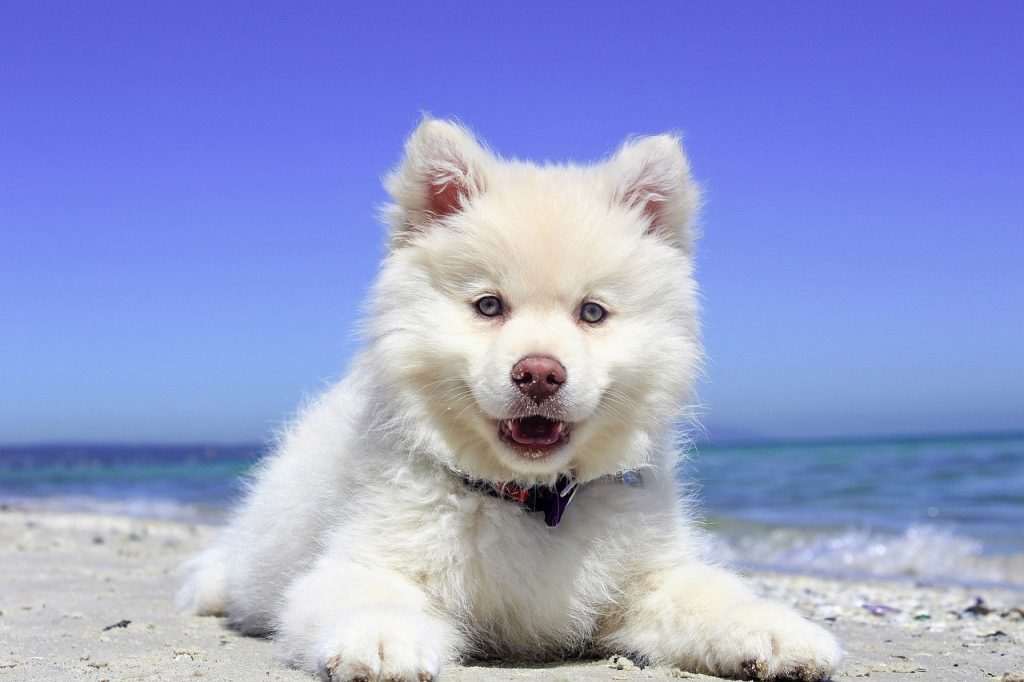
Puppy Training – House Training a New Puppy

mypuppystory.com

Getting a new puppy is a wonderful and exciting time, but teaching it to go to the toilet in the right place can be very frustrating. Puppies are tiny to begin with and the mess they make is minimal, but as they grow, so does the mess! So when should house-training start, and what is the best way to do it?

When should we start?

If the puppy isn’t already housetrained when it arrives home, then training should start straight away. If it is allowed to get into bad habits, it will be harder to retrain later on.

How long will it take?

This is the million dollar question. Unfortunately, there is no magic number : different puppies will be housebroken at different times and some will be more difficult to train than others. The important thing is to remember not to get downhearted if it seems to be taking longer than expected. Keep at it, and it will happen!

Positive Reinforcement

Experts believe that rewarding a dog is far more productive than punishing them. Dogs generally want to please, so doing something that gets them a cuddle or a treat as a result will work most times. Scold or punish them and it’s likely that the puppy will become afraid to try again in case it gets it wrong. Never ever ‘rub its nose in it’ as punishment for making a mess – this is counterproductive and unfair.

How can I tell if when and how often my puppy needs to go to the toilet?

By looking at a puppy it’s easy to tell how tiny its bladder is. It will fill up very quickly, and when it is little, it will need to empty it quite often. Every two to three hours is ideal while a puppy is very small, but generally it will start to indicate when it’s time to ‘go’, so a close eye should be kept out for this. Watch out for it starting to look unsettled or anxious, or to start walking around in circles looking in dark corners and behind doors for a suitable place to relieve itself.

Also, remember that puppies usually need to go when they have woken up from a sleep, or when they have eaten or taken a drink, or done anything exciting, such as welcoming a new visitor. When this happens a puppy may be prone to ‘accidents’, so it should be taken to its toilet area.

Should I be Paper Training? I’ve Been Told This is a Bad Idea.

Lots of people paper-train their puppy to begin with. Some people believe that it’s easier to just train puppies to go outside, and that paper-training them first can confuse them, but others believe it really helps a puppy learn what you want it to do. It really depends on the situation and the owner’s preference.

Paper Training

Paper Training is very useful if the puppy has to be left in the house for a few hours because it gives it somewhere to relieve itself while alone, and can stop it feeling anxious and scared because it has made a mess.

If the puppy is being trained using paper, when the puppy starts to show signs of needing to ‘go’ it should be leaded (or carried) to newspaper which is in a central, easily detectable place and praised or and treated when it performs. By doing this, it will learn that this is good behaviour. Over time the newspaper should be moved towards the exterior door. The next step is to take some of the soiled paper outside and get it to ‘go’ there instead. The puppy will recognise its scent and will know that it is expected to go on the paper wherever it is. Over time the paper can be made smaller and it will continue to go to wherever the paper is. Eventually it can be removed altogether.

Non-Paper training

To train a puppy without the use of newspaper, wait until it shows signs of needing to relieve itself, and take it outside. Once outside, choose a command, such as ‘Go’, or ‘Tinkle’, to let it know that it is allowed to do its business. Reward with praise and treats for a job done well, and ignore failures

Keys to Success:

  1. Take as much time as needed and be patient. Every puppy learns at a different rate and just because it isn’t picking it up quickly doesn’t mean that the puppy is naughty, or stupid.
  2. Promote positive reinforcement, not punishment. Praise the puppy every time it gets it right, and ignore failures.

Herbal Medicine for Dogs – Canine Herbal Remedies

Alternative medicine has been around for centuries, with both homeopathy and herbal medicine now used to treat humans and animals. However, it is important to always seek advice from your vet before introducing any form of alternative treatment.

Which Herbal Remedies May Help Dogs?

There are a wide range of different herbal remedies used within herbal medicine to treat both physical and mental health problems. Herbal remedies which may help dogs can be purchased from a specialist vet. In The Everything Natural Health Book, Gewirtz & Nuccio highlight key forms of herbal medicine used to help dogs, to include the following:

  • • Aloe vera gel – soothes insect bites, first aid for minor cuts/burns
  • • Hawthorn – strengthens heart muscle contractions, reduces blood pressure
  • • Chamomile – helps calm dogs with upset stomach

Herbal Medicine for Dogs with Arthritis

As with humans, arthritis and related conditions may also become a problem for dogs, when they enter their senior years. Due to the fact that there are a few different types of arthritis, it is especially important to seek expert advice to ensure treatment is able to be as effective as possible. Herbal remedies recommended by Gewirtz & Nuccio which may prove beneficial to dogs suffering from arthritis, include as follows:

  • Aloe – anti-inflammatory properties
  • Alfalfa – supplies building blocks for joints
  • Dandelion
  • Slippery elm

Which Herbal Remedies Treat Dogs with Kidney Problems?

In addition to helping dogs suffering from conditions such as arthritis and digestive issues, herbal medicine is also used to help treat dogs affected with kidney problems. Acupuncture may be utilised in combination with herbal remedies, in order to improve their effectiveness. According to Gewirtz & Nuccio, several herbs may benefit dogs with kidney disease, including the following:

  • Astragalus
  • Echinacea
  • Ginkgo
  • Hawthorn
  • Gotu kola

Use Herbal Remedies with Caution

Although herbal remedies used within herbal medicine are sourced from nature, this does not mean that they are always safe. As with regular prescribed medicine, herbal remedies must be used with caution. Side effects must be weighed up against potential benefits, before engaging in treatment. While herbal remedies may be used as stand alone first aid treatments, it is important to always seek advice from your vet. Specialists who have trained in herbalism, known as herbalists are able to offer expert information on which herbs are safe and non-toxic.

As highlighted above, herbalists have used herbs to create herbal medicine and remedies for thousands of years. Herbal remedies can help dogs suffering from a whole range of different health conditions, such as anxiety, arthritis and kidney problems. Further forms of alternative medicine which may benefit dogs, include acupuncture, massage and homeopathy.

Dog Therapy Training Certification

Animal therapy is proven to help lift the spirits of those that don’t seem to have much reason for being happy. That’s why dog therapy has gotten so popular over the last few years and its popularity is continuing to increase. In the cases of those that need to heal, having a dog therapy session can prove dramatic results in the healing process and can even give people a more positive outlook on life. Becoming certified to be a trained dog therapy assistant, and having your dog become certified to be a therapy dog is easy once you know how to go about doing it.

The Right Animal

The right animal for dog therapy will be an even tempered and healthy animal that has gone through all regular check-ups and vaccinations. The dog must not be too small or too big, should be well behaved naturally, and cannot have any history of aggressive behavior whatsoever. There are certain breeds of dogs that work better for dog therapy training than others, so do your research to find the perfect breed of dog both for you and for dog therapy.

The Right Training

If you aren’t a certified trainer, be sure to hire someone to train both you and your pet in the ways of being a therapy dog and assistant. You should know all of the commands that your dog knows so that you can effectively communicate with the animal while he or she is interacting with people at a volunteer location.

The right training program will train the dog to not get stressed in certain situations and to be okay with loud people, heavy petting, and people who are afraid of dogs. The program should also teach both the animal and the dog therapy assistant that will be taking care of the dog and taking it to volunteer locations on how to interact with mentally or physically disabled people, as well as children and the elderly.

The Right Certification

The Delta Society is the most well known and respected dog therapy training certification organization and can even offer training courses and can establish the volunteer locations in which you and your therapy dog can visit. The evaluation to become certified will test behavior skills and make sure that the dog is healthy enough to be a therapy dog. They will make sure that your dog is ready to become a therapy dog.

The Right Place to Start

Make sure that the first place you visit for a dog therapy session is a relatively small location with just a few people. This will get the dog more accustomed to the experiences and interactions that he or she will have when they are at a volunteer location. Animal Assisted Therapy volunteer locations range in size from just a few people to hundreds, so there is always a small place to start out with.

The Right Interactions

You can also make sure that the people who are going to be interacting with the dog know how to do so. Even just a little verbal training as to how to pet a dog, how to talk to the animal and how to communicate with it can go a long way in easing the stress that may be felt for both the animal and the patients or residents of the volunteer location.

Housebreaking Your Puppy: Potty Training Your Dog

mypuppystory.com

Puppies are like toddlers, in the sense that they need guidance on where and how to go potty. Since dogs like to keep their living space clean, training them is easier than one may think. The keys to success are consistency and patience.

Check-up and Nutrition

The first thing, any new puppy owner needs to do is to have their puppy checked thoroughly by a veterinarian. The veterinarian, in addition to their normal checkup protocol, should check the puppy for problems that could interfere or make potty training difficult. Bladder and kidney problems, as well as cystitis, could make housebreaking difficult. Worms and parasites can also prevent effective potty training. The correction of these disorders, along with providing a healthy, nutritious diet is important to maintaining a properly functioning and healthy digestive and urinary tract. A poor diet or one consisting of poor food quality can contribute to loose stools.

Supervision and Consistency

Puppies are intelligent, but are lacking in short term memory. Close supervision is needed to provide repetition in those behaviors that are necessary to propagate proper housebreaking. Close supervision is advised to see how fast one’s dog will have the urge to go after meals or drinking, as well as observing any special characteristics the dog displays prior to having the urge to urinate or potty.

When one does takes the puppy out, repeating a word associated with potty training repetitively, will help reinforce the concept that the dog should relieve itself outside and not inside. The puppy should not be brought back into the house, until it finishes its business outside. If it does this successfully a praise or reward is indicated

Living Quarters

As mentioned, dogs don’t like to soil their living space and do like to go outside their living area to potty. Limiting their access to the house and being confined to a small area, teaches them not to find another area within the house to potty. This can be done by placing small gates to prevent the dog from having access to the whole house. Keeping the dog in a smaller room or crate may be another alternative. Regularly scheduled walks will help train the dog, as to when they should go and will help to regulate them.

Accidents

All owners should expect a few accidents along the way. It may be a good idea to line their living quarters with newspapers, just in case an accident does happen. Also puppies should never be kept in areas that can’t be easily cleansed. Carpeting should be avoided and smooth surfaces are advisable for easy cleanup and non-absorption. If an accident does happen, correction of this behavior is necessary to prevent it from happening again. Patience is urged.

An enzyme-based deodorizer is advised to help cleanup the area and remove all trace of the accident. This is important, to prevent confusion later as to where the puppy goes potty, due to their good sense of smell. For this very reason, ammonia based products should be avoided, since it can mimic the smell of the puppies own urine, furthering the problem.

Puppies need training and direction. Consistency, proper nutrition, supervision and training are necessary to minimize the risk of accidents and to teach the dog proper potty protocol. By following these steps, the need for a professional dog trainer may be circumvented, allowing the owner to coexist with his pet peacefully.

How to Correct Lead Pulling in Dogs: Getting a Dog to Walk Well on the Leash

There are a number of things that can be done to make the dog behave beautifully when it is taken out for a walk. By being consistent and firm, and praising great behaviours, it is possible to transform an errant dog into a happy, well-exercised and obedient pooch.

Correcting the Dog on a Lead

A soon as a dog runs forward, pulls on the lead, sniffs or barks, he needs to be corrected.

Correct the behaviour as soon as it occurs to let the dog know that it is inappropriate. There are a number of established corrections that let the dog know instantly how it should or should not behave. When consistently used, the dog will quickly understand how to walk on the lead without bad traits.

Steps to Eradicate Poor Behaviour

Firstly, the lead should be pulled in a short fast jerking motion. While the dog obviously should not be hurt with this technique, it serves to get his attention from what he is doing and back to the owner. Remember to stay calm and relaxed so that the dog does not become stressed. Hold the access lead in the right hand, while relaxing the left. Repeat this correction each time the dog stops to sniff or pulls.

Verbal Signals

Verbal corrections are useful to let the dog know he is behaving badly. Use a sharp ‘shush’ noise each time the dog misbehaves, and the dog will soon learn to associate the noise with poor behaviour and correct it.

Gentle Reminders

Touching the dog gently each time it pulls or halts can be useful to refocus attention on the owner and away from distractions. While using the verbal correction and pulling on the lead, use the right foot to gently touch the dog. The idea is to get his attention back to the owner to help put him in the relaxed submissive state. Repeat this correction a few times if the dog continues to display inappropriate behaviour.

Coming to a Complete Stop

Finally, the most severe form of correction is to stop completely and get the dog to sit. He will soon realise that bad behaviour makes an enjoyable walk come to an end until he behaves well.

Don’t Forget the Best and Most Important Part

Praise is as, or more, important than admonishment. A dog responds well to treats, pats and verbal praise, ensuring that good behaviours become second nature. Be kind to the dog – learning new ways to behave can be hard and confusing, so reward well every time the dog behaves in the way it has been asked to.

Dog Urine Stain Removal: Hardwood Floors

Getting the smell of dog urine out of hardwood floors can be challenging, especially if you aren’t home to clean the mess immediately and it soaks in. As the dog urine breaks down and crystallizes, the urine odor permeates the porous surface of the floor boards. Dried uric acid crystals stain the wood, turning it black in cases of repeat pet urine soiling due to the acidic urine burning tannins in the wood. Regular hardwood floor cleaners may remove the stain, but they will rarely eliminate the dog urine smell. Make sure you treat the area to remove the stain and the urine smell before sanding or refinishing your hardwood floors; the heat of sanding will bake urine crystals into the wood, making odor removal nearly impossible.

Before you start cleaning, it’s a good idea to test the cleaning solution on an inconspicuous location before applying it to the urine stains to make sure the cleaning solutions do not bleach or stain your hardwood floors.

Store-Bought Pet Urine Odor and Stain Remover

  1. Purchase a urine-removing cleaner containing bio-enzymes to eliminate urine odors. Make sure the cleaner you purchase is safe for use on hardwood floors.
  2. Use a hand-held black light to locate all pet urine stains, which will glow green. Mark the stained areas by outlining them with chalk.
  3. Follow the directions on the label of the cleaner to remove the stains. Saturate the urine stains with cleaner.
  4. Use a plastic sheet to cover the stained areas for half an hour. This will keep the cleaner from evaporating and allow the cleaner to break down the urine crystals.
  5. Wipe the stained areas with paper towels.
  6. Repeat steps three through five until the stains are lighter and the urine odor is eliminated.
  7. Moist mop the previously stained areas. Allow the floor boards to dry thoroughly.

Homemade Pet Urine Odor and Stain Remover

  1. Use a hand-held black light to locate all urine stains, which will glow green. Mark the stained areas by outlining them with chalk.
  2. Use paper towels to blot up as much of the dog urine as possible.
  3. Mix together three parts water and one part vinegar. Apply mixture to urine stains.
  4. Use paper towels to blot the stained area, soaking up as much liquid as possible.
  5. Allow the stained area to dry. Sprinkle baking soda over the stained area.
  6. Mix 3/4 cup of hydrogen peroxide (3%) with one teaspoon dish detergent. Drizzle the mixture over the baking soda.
  7. Work the baking soda into the wood using your fingers or an old brush. Allow to dry.
  8. Vacuum the dried baking soda mixture.
  9. Evaluate the area for odor. Repeat steps three through eight as necessary.