Hide-and-Seek – a Fun Game for Dogs That Promotes Health

mypuppystory.com

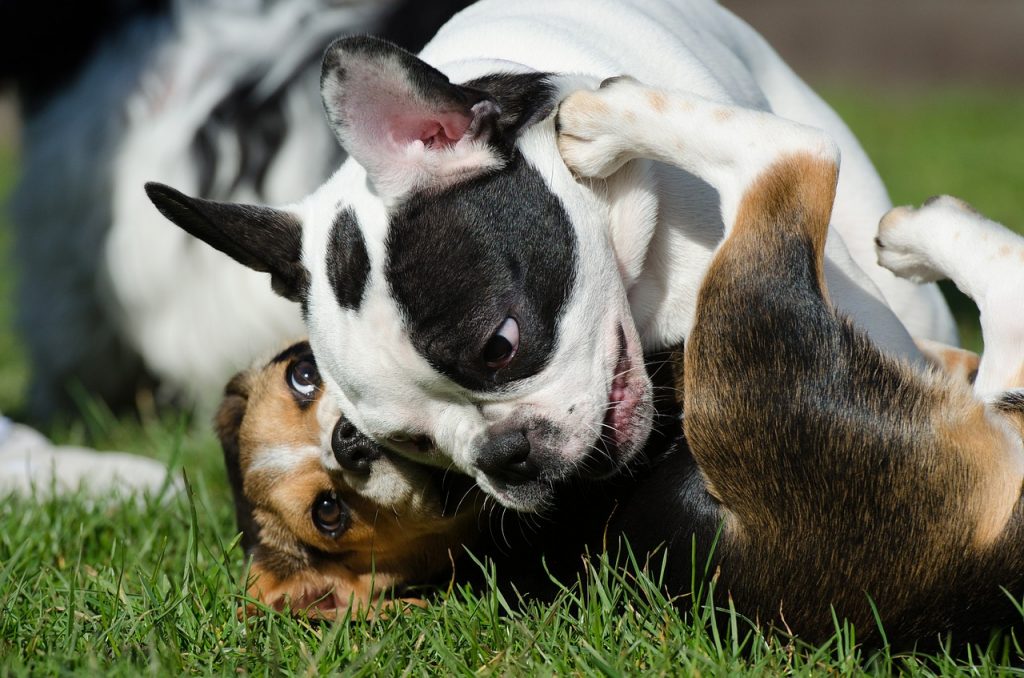
Looking for a game for dogs that’s both fun to play and good for their health? How about the old favorite, hide-and-seek. Besides being a pet activity that dogs love, hide-and-seek does wonders for fulfilling a dog’s needs and providing him with mental and physical stimulation.

But playing the hide-and-seek game for dogs takes a little know-how – for both dogs and their human playmates. Here are the proper rules of this beneficial game for dogs, as well as the reasons why it’s one of the best pet activities around:

Object of Hide-and-Seek Game

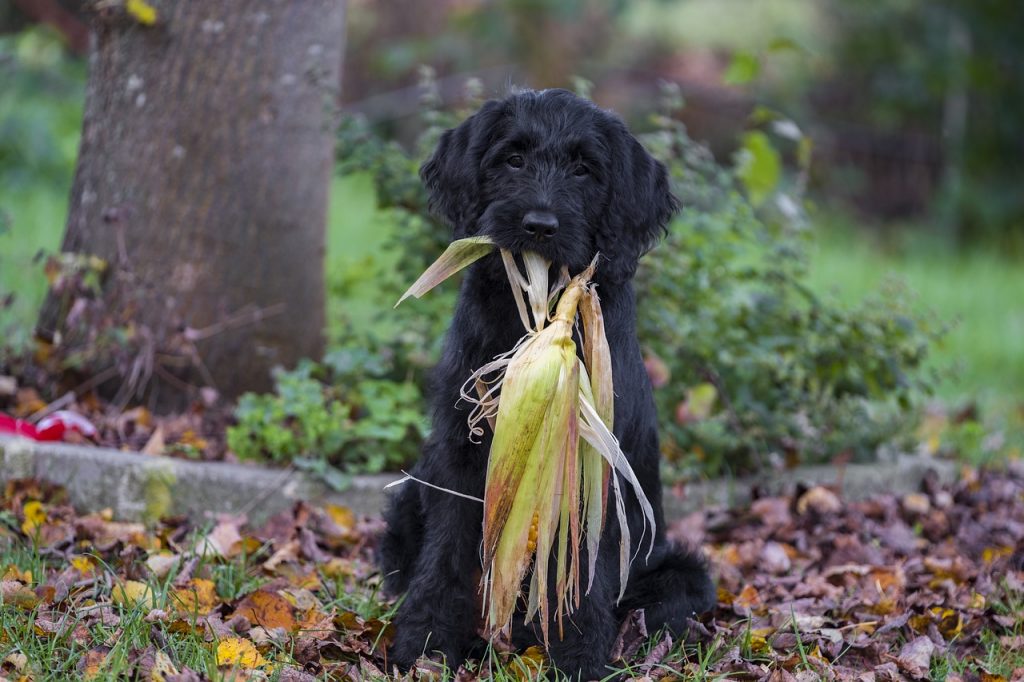
The object of hide-and-seek for dogs is similar to the childhood game: after one (or more) player hides, another player tries to find him or her. But in the canine version, dogs are always the seekers. And their goal doesn’t have to be their owner. In fact, the hidden objects or hiders in a hide-and-seek game for dogs can be any of the following:


  • toy or ball
  • treat
  • familiar person (other than the main caretaker)
  • another pet
  • anything else a dog is interested in finding

Hide-and-Seek Game Rules

Hide-and-seek is most successful with a dog who has had some formal obedience training and can be put in a sit-stay; however it’s also a good way to practice obedience skills.

  1. Begin the game by choosing what to hide. If it’s a toy or other object, show it to the dog, then drop it out of sight (but keep it close by – behind the back, for example) and ask the dog to find it, using the object’s name.
  2. Continue to show and hide the object, slowly making the hiding places more challenging. Be sure to give lots of praise when the dog finds the hidden object. Always keep the game positive, even when the dog is slow to catch on.
  3. If finding a person is the dog’s goal, begin by asking the dog to “go find” the person (if it’s not you) when not hiding. Then, distract the dog or put him in a sit-stay while the hider (or you) hides. Next, ask the dog to find the person (or make a soft noise from a hiding spot), giving praise for success.
  4. Once the dog has mastered the basic hide-and-seek game, increase the number of hidden objects or players and make the hiding places more difficult. The more complex the game becomes, the more fun and rewarding for the dog.

How Hide-and-Seek Promotes Dogs’ Health and Well Being

The best thing about hide-and-seek for dogs is that it never grows old. A dog has fun playing the game every bit as much as the time before – which is good because hide-and-seek offers many benefits that promote dogs’ health and well being, including:

  • good exercise
  • review of recall
  • challenging work for mind and body
  • use of different senses
  • bonding with owner
  • confidence building
  • indoor and outdoor activity
  • sense of purpose
  • hunting practice

Ready to play the hide-and-seek game for dogs? It’s a pet activity that’s easy to learn, challenging to play, and sure to please and benefit both dogs and owners – time and time again!

How to Stop Your Dog from Barking: Tips for Silencing Noisy Dogs

Those big chocolate brown eyes captured your heart when you first laid eyes on that irresistible puppy begging, “Take me home!” But it wasn’t long before the whole neighborhood knew there was a new addition at your house. Even worse, you couldn’t get your new dog to stop barking.

Why is Fido Barking?

Before trying to silence your barking dog, check the source. Although it’s probably just his annoying habit, there’s also the possibility he’s barking for a good reason. Look for any clues such as cars parked in your driveway or another dog taking a walk across his property.

Tips for Silencing Fido

Don’t shout back. Shouting at your dog to stop barking only intensifies the problem. That’s the advice top-notch dog trainer Victoria Stillwell gives owners on the popular Animal Plant hit show, “It’s Me or the Dog.”

Use one-word commands. Because dogs only recognize a few simple words, they can’t relate to sentences. They may be your best friend, but they’re not human. In other words, you have to talk dog lingo to your dog. Rather than talk in sentences or even a few words, narrow the message to single commands. Firmly say, “Hush!” or “Enough!” Use a strong tone when speaking.

Look forcefully into his eyes. When saying it, look at him, keeping your stare without blinking. Then when he stops, praise him with a “Good boy!”

Reward with a treat. When your dog stops barking, reward him with a treat. Just be sure to time your treat well, making sure he’s stopped barking before giving the reward. If you reward prematurely, he may think you’re rewarding him for barking.

Use whistles or other noisemakers. By startling a dog with a sudden, high-pitched noise, you can usually stop his barking. Besides whistles, try musical instruments such as small gongs, or triangles. Weird noises on electronic keyboards are also good if the keyboard is portable or within reach of your dog’s ears. Hopefully, your dog will stop barking when he sees you approach with your noisemaker.

Spray water. If none of these approaches work, fill a spray bottle of water and mist his eyes, saying, “Stop!”

Use electric shock or spray collars. These are usually last resorts and aren’t recommended when first trying to correct the behavior.

Quietest Breeds

If you are debating on adopting a new dog, study the breeds first, so you’ll know which ones bark more than others. Dogs range over a wide spectrum, from the noisy fox terrier to the barkless Basenji who communicates with other noises, such as howls and yodels. If you live in a quiet neighborhood where houses are close together or in an apartment or condo, perhaps you need to choose a quieter breed. Some of the top five breeds known for their quietness include whippets, basenjis, borzois, Chesapeake Bay retrievers, and Swiss Mountain dogs.

Dogs Known for Excessive Barking

On the other hand, you might want to avoid breeds such as the Yorkshire terrier, Cairn terrier, miniature schnauzer, West Highland white terriers, beagles and fox terriers.These breeds have the reputation for barking when there’s no need to bark.

If all else fails, seek professional help from a qualified dog trainer. Most importantly, do not use bodily harm, swatting your dog. This only leads to an aggressive dog who, most likely, will strike back either at your or someone else.

Positive Dog Training

Traditional methods of dog training involve obedience and correction of unwanted behaviour with intimidation and punishment. Thankfully, these methods are now seen as outdated, as more dog trainers and behaviourists move to positive dog training.

Ignoring Bad Behaviour

Unwanted behaviours in dogs may include barking, jumping on people, guarding food and toys, pulling on the lead, running away, digging, snapping, chewing inappropriate items, anxiety and aggression. Any type of attention given to a dog when he performs these bad behaviours can be seen by the dog as a reward, which reinforces the behaviour. Without realising it, some owners are actually creating and reinforcing bad behaviour in their dog. According to Pamela Dennison, author of The Complete Idiot’s Guide to Positive Dog Training, if you are not ignoring bad behaviour, you are enforcing it. Pamela believes that ignoring bad behaviour will reduce repeats of that behaviour, and it will eventually stop occurring.

Positive Trainers Use Negative Punishment

Timing is crucial when using positive dog training methods. It may be tempting to try to bribe a dog with a biscuit to distract him from a bad behaviour, but because you would be rewarding a dog at the time he was performing the behaviour, he thinks that behaviour is acceptable and will therefore continue to repeat the behaviour. Bearing in mind that a dog sees your attention as a reward, if he jumps up at you and you fold your arms and walk away, you withhold the reward he seeks. This method is known as negative punishment.

Positive Reinforcement

Whenever a reward is given at the exact time a dog performs a specific behaviour, this reinforces the behaviour in the dog’s mind, and the behaviour will be more likely to be repeated. When training a dog, most people use treats as a reward when their dog sits on command. A treat does not necessarily have to be food. Praise, toys and certain activities can also be used as a reward for good behaviour.

Positive Dog Training Vs Punishment

Punishing a dog when he performs an unwanted behaviour can create stress and anxiety, and damages the bond between owner and dog. Having a good relationship is the foundation for training a dog. With a strong bond, a dog will trust his owner and be eager to please. Prior to using positive reinforcement, Pamela Dennison used traditional methods of punishment and has observed the differences in dog behaviour over many years. She has observed that behaviours learned through force can fall apart when the dog is under stress, whereas beaviours learned through positive reinforcement are stronger, with the dog more able to follow commands under pressure. This is a distinct advantage in unusual circumstances where there are distractions or danger.

Is The Rottweiler the Right Breed For You? Rottweilers Make Intelligent and Courageous Companions

If you’re interested in a dog for security or obedience training, the Rottweiler may be the right breed for you. With a firm hand and the right guidance, your dog will adapt quickly to training and accept you as his authority.

It’s important to get your puppy into puppy school or socialization classes from about 12 weeks so he can learn to adapt to other dogs and people and get used to the car. Rotties are strong dogs and aren’t suitable pets for the elderly or very young children.

Choosing a Rottweiler

  • Consult a Breeder Never purchase a Rottweiler from anyone other than a registered breeder even if you don’t intend to show the dog. You’ll be laying out a considerable amount of money and have a right to ask questions before making any decisions to buy. The breed is prone to hip dysphasia, a malformation of the hip joint. Ask the breeder what precautions have been taken against the disease. Contact your local dog authority for more information on reputable breeders in your area.
  • Other Pets Introduce other animals, including cats, to your Rottweiler puppy from an early age and the relationships they form should be amiable. If you plan on purchasing two dogs, don’t select puppies from the same litter. They’re bound to fight for position and the bickering could turn nasty as they get older.
  • Your Garden Rotties don’t need a large garden to exercise in but do need some outdoor space. The breed isn’t generally known for digging up the garden but digging is a natural instinct for dogs and Rotties can’t be completely excluded. If your puppy starts this annoying habit, you’ll have to address it quickly and put measures in place to stop him from digging.
  • Your Dog’s Diet Purchase a good quality dog food for your pet. Dog food that is manufactured from a poor quality meat meal and large amounts of bonemeal is sometimes high in calcium. Large breed puppies aren’t able to control the absorption of calcium effectively and too much calcium in your dog’s diet can lead to joint damage.
  • Visit the Vet Always take your dog to the vet for regular checkups. Adult Rotties can put on weight quickly and your vet will be able to monitor your pet to make sure he doesn’t pile on the pounds. If you have your dog spayed or neutered you must adjust the food portions to compensate for a change in metabolism.

Basenji: A Hound Fit for a Pharaoh

Portraits inside the Egyptian pyramids immortalize the early Basenji as companions for the Egyptian Pharaohs. From Egypt this breed moved to Central Africa where dogs acted as guides in the forest and alerted against predators.

As a hunting dog, the Basenji helped protect livestock by killing long-toothed and reed rats. This high energy breed aided Central African hunters during the quest for antelope, birds and pachyderms. This sighthound could point and track wounded prey. They also chased prey into the hunter’s net. An account in the 1930s described that the Basenji wore gourds filled with small pebbles that rattled and alerted hunters to follow in the tall grasses.

In 1895 a pair of Basenji arrived in England, but died of distemper. In 1936, Bongo of Blean and Bokoto of Blean survived and bred future generations. Breeders locate stock in southern Sudan, the eastern Central African Republic and the Congo regions.

Physical Characteristics

The compact Basenji is small to medium with fine bones. Females stand 40 cm (16 in); males stand 43 cm (17 in). Weight ranges from 9 – 10 kg (20 lbs) for females and 11 kg (22 lbs) for males. This muscular breed has a level back and straight legs. The Basenji has small, narrow feet and a graceful gait.

The Basenji sports a smooth, glossy coat with colours of chestnut red, black or tri-colour. White markings may appear on the chest, tail tip, feet and forehead. This breed is a moderate shedder.

The Basenji has a flat skull and a wedge-shaped face framed by a wrinkled forehead. Hazel almond-shaped eyes are set obliquely. The small, erect ears are set forward. The characteristic tail is curled once or twice.

The Basenji does not bark. This breed, however,is known to sing or yodel. Other dog sounds include howling and growling.

This breed has a lifespan of 10 – 12 years.

Temperament

The graceful Basenji has a temperament like a cat. This affectionate breed will even climb trees and scale chain wire fences like its feline counterpart. This intelligent dog is eager to please and responds to training. Basenji are known to do things their own way. Owners should handle their puppies early and show leadership. This hound likes to chew and should receive toys to satisfy this habit. This high energy dog needs 60 – 80 minutes of exercise every day, plus mental stimulation. Owners need to be consistent or face the consequences of owning an obese dog with behaviour problems when left alone.

Roles of the Basenji

Because the Basenji is silent, this breed has a limited role as a guard dog. As a companion, this breed is eager to serve. With a history of hunting rodents, this dog is not compatible with small pets. The alert and intelligent Basenji can excel in lure-coursing and racing.

Dog Training – Learn to Solve Dog Problems

mypuppystory.com

Dog House Training

The first area of dog training many people want to imprint on their dogs is house training. The key to good dog training is to be patient and consistent. Some experts recommend offering treats to your dog when the animal behaves well but this isn’t absolutely necessary. For the purposes of house training you can begin by taking the dog outside after eating, after it wakes and after playtime. Then it’s simply a matter of supervising your dog and waiting for it to poop or pee (wait for 10-15 minutes to see if your dog needs to go and if it it doesn’t then you can go back inside). If your dog does poop or pee than use a command word like “toilet” and scoop up and dispose of the mess. If your dog poops or pees indoors then scoop up the mess and take it outside. You must drill or repeat the command word into the dog whenever it poops or pees outside and when this happens, you can reward the dog with lots of praise and affection or treats. After a while whenever you go outside and say the command word your dog will do its business almost immediately and the house training process will have been imprinted successfully. A similar method of using command words and positive reinforcement is recommended for teaching the puppy to come, stay, sit etc.

When to start dog training?

Remember also that it’s never too early to start the dog training and you’d be amazed how quickly your puppy will pick things up. The dog training sessions should not be overly complicated and their duration should not exceed half an hour. Keep things short and sweet and make sure that the lesson is easily understood by your dog and most importantly you should frequently repeat the drill until it becomes second nature to your dog to behave in the way you wish.

Dog Training schools and Home Dog Training

Some traditional dog training schools have used strategies of punishment based on strict and harsh mentoring of dogs. However if you train a puppy from a young age then undesirable habits won’t have a chance to become an established part of your dog’s behaviour. Most modern dog experts prefer dog training to be based on trust, mutual respect and enthusiastic praise or affection, believing the animal will respond better to positive stimulate than negative ones.

Dog Behaviour Advice

Dog training is not a simple task and we don’t have the luxury of sharing the same language as our four legged friends so you’ll have to learn the habits and moods of your dog and adapt your training methods accordingly. After a while you should be able to identify what every yelp, shriek, growl and bark from your puppy is indicating. If you are realistic and patient with the puppy then progress will occur. Don’t expect miracles too soon as the puppy is young, enthusiastic and energetic and will need the right amounts of coaxing and guidance to do what you want it to do. If you are persistent and continuously drill the training sessions and back up the positive dog behaviour with rewards then you will learn to solve dog problems at an early stage in your dog’s life and the dog training will have proven to be a tremendously successful and beneficial exercise for both you and your dog.

Owning a Chesador

Chesador Retrievers
The Chesador is a joyous mix of two beloved canine breeds – the Chesapeake Bay Retriever and the Labrador. Although designer dogs such as this one are becoming increasingly popular, they do not qualify for American Kennel Club recognition; however, they can be accepted by the International Designer Canine Registry.

About Chesador

Many people are unaware that Chesapeake Bay Retrievers and chocolate Labs come from the same ancestral source, the Newfoundland. While Chesapeake Bay Retrievers typically exhibit independence and a tendency towards stubbornness, Labs tend to be friendly and eager to please. When it comes to Chesador puppies, however, you may find that their personalities combine characteristics of both breeds for an even more unique companion!

Physical Traits

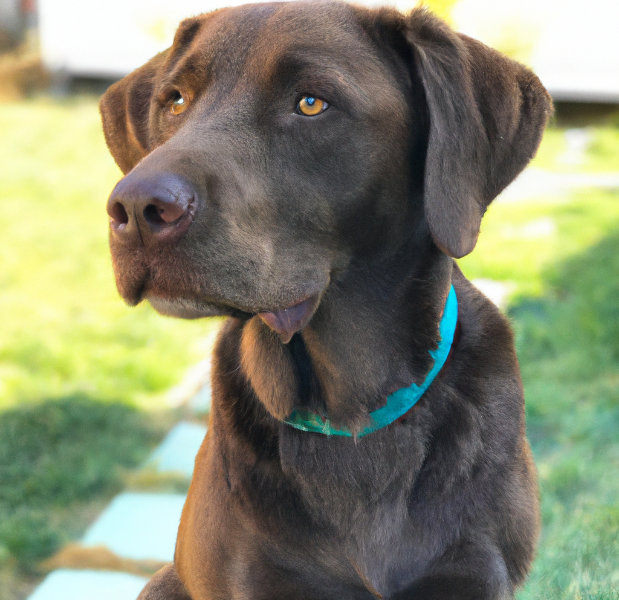
Chesapeake Bay Retrievers, or Chessies, offer a range of beautiful coat colors from “dead grass” to chocolate, tailored for their environment. Labs come in black, yellow and chocolate, with black being the most popular color and chocolate being the least common. Chesador puppies can proudly feature any of these colors in their coats, and a single litter of Chesadors may present an array of colors.
Chesadors also display the iconic wavy fur that is so closely associated with their Chessie relatives. Even in size, Chessies and Labs remain comparable, as most grown Chesadors will weigh anywhere between 60 to 75 pounds.

Exercise

Because both parent breeds are energetic, active dogs, all Chesadors require a significant amount of daily exercise. Walking or running helps expend some of their energy, and these dogs love retrieving games like chasing tennis balls, discs or training dummy sticks. Most Chesadors also love to swim and take to the water with great enthusiasm.

Grooming

By providing your Chesador with the appropriate grooming, you can keep its coat looking great without having to worry about too much trimming. Bathing every three to five weeks helps keep the natural oils of the coat intact and prevent dry skin, while brushing helps distribute these oils evenly. Additionally, taking care to clean and check your dog’s ears regularly can help ensure that any potential ear infections or wax buildup are caught early on.

Health Concerns

Both Chessies and Labs are prone to hip dysplasia, the effects of which can be detected by x-ray at around three years of age. There are ways to lessen the severity of dysplasia and arthritis though, such as a diet containing joint support supplements like glucosamine and chondroitin. Additionally, Chesadors may also suffer from degenerative eye problems in their later years, so it’s important to have regular wellness checkups and take precautionary measures for your dog’s well-being. Doing so could make all the difference in maintaining a high quality of life for your pup.

Purebred Vs. Mixed Breed: Which One is a Better Option – Purebred or Mixed Breed

So you want a dog? After you’ve decided if you want a small dog or a big dog, the next major question is breed, which is something many people get stumped at. With so many animal shelters and homeless dogs, many people feel that purebred dogs are only for snobs. However, just as many people value the consistency in behavior that purebred dogs can provide. Here are a few things you need to know about the two options:

Temperament & Appearance

One of the greatest things about a purebred is that the temperament is guaranteed for you. Everyone knows that Labradors are great with kids as are Golden Retrievers and that German Shepherds make excellent guard dogs. There’s a reason for this. Over the years, only the dogs that showed the best qualities have been bred creating a line that is very consistent in temperament as well as looks. For people that want a dog that will definitely be good with kids, or definitely show certain personality traits, a purebred is a great option. This is not to say mixed breed dogs cannot have great temperaments, only that when they are at a puppy stage, you do not know which way they will go.

Another thing about a purebred is that it will look exactly like the breed standard. Everyone knows what a German shepherd, a Rottweiler or a Poodle look like, and this is because the dogs are bred to look a certain way. If you want a dog that will grow up to be beautiful, consider getting a mixed breed.

Costs & Purebred Dogs at Shelters

A purebred dog can be expensive depending on the quality of the line, but there are many purebred dogs in shelters across the world that need homes. If you cannot afford to buy a purebred but definitely want one, you can always opt to adopt one from a breed specific shelter. One thing you need to avoid at all costs is a puppy mill. These are setups where dogs are bred multiple times in a year and kept in subpar housing conditions so that the owners can make profits from selling the puppies. If you are looking to buy from a breeder, buy from one who is reputable in your area.

Health Concerns

Purebred dogs have plenty ofhealth issues. These vary by breed, but since there is sometimes in-breeding dogs can have issues related to joints, eyes or even organ related problems. Research the breed you are interested in to make sure you are aware of the health concerns and can deal with them should you need to.

In the end, it is best to do plenty of research before you make your choice. Both mixed breed and purebred dogs can bring happiness for you, but the key thing is that you make the right choice so you can provide the best care to the dog.

Why Dogs Dig and How to Resolve the Problem

Nothing is more annoying than coming home to discover that the flowerbed has been dug up by a busy dog. Happily, yards and dogs can coexist peacefully with the right knowledge.

Why do Dogs Dig?

Sometimes the answer to this question simply involves the personality of each individual dog. Some breeds are also known for their devoted digging habits such as terrier and huskies. Perspective dog owners that are concerned about their yard and garden may want to avoid breeds that have a strong disposition towards the digging trait.

Besides genetic leanings towards the habit there can be many other reasons that dogs dig.

  • • Separation anxiety can cause nervous canines to form many different habits to relive their tension, including digging.
  • • Some dogs are simply escape artists that constantly strive to be free of any confinement.
  • • Bored dogs that are lacking attention often look for alternate ways to entertain themselves and digging is a common occurrence
  • • High energy canines that are not getting enough exercise also turn to energetic ways to dispel their excess energy.

These four common reasons for digging are fairly simple to solve. Dogs with severe anxiety may need veterinary care while escape artists may need to be crated when no one is home or be on a properly built dog run. High energy dogs need more exercise and bored dogs require more interaction and exercise to keep them fit both physically and mentally.

For dogs that dig for other reasons such as pure enjoyment, the owners will have to exercise more creativity to solve the problem.

Solutions to the Problem of Digging

The easiest answer is to make sure that the dog cannot access sensitive areas such as flower and garden beds. This can be accomplished by building fences and barriers to prevent the dog from gaining entry into these spaces.

The best way to prevent digging is to ensure that the dog never has unsupervised time outside. If there is a person watching him whenever he is out, digging can be stopped before damage is done. This method combined with positive reinforcement will also teach dogs that digging is not an acceptable behavior and is a good long term solution if the manpower is available to monitor the dog’s activities.

If the dog really loves to dig another method is to create a designated area for this pastime. By allowing the dog a fixed place to make holes he can still enjoy his favorite bad habit and the owner can live with the resulting digging zone. When dealing with a small yard with restricted square footage a sandbox can be constructed and filled with sand and soil to create a small dig zone. This method also requires supervision as the dog will have to be monitored and corrected to move to the designated space, but for owners that love to make their pets happy; this is the most enjoyable solution.

With time, patience and some trial and error digging can be contained or eliminated completely, letting dogs and owners be happier with each other.

How to Properly Discipline Dogs

In order to have a well behaved dog it needs a certain amount of discipline. Without discipline, dogs will resort to a variety of unwanted behaviors associated with lack of limitations and rules.This lack of guidance from owners easily results in dogs with serious behavior problems because the dog does not know his place in the pack. In order to work well, however corrections must be delivered following some basic rules.

  • Sufficient Tempestivity

You must correct your dog in the moment you see him exhibiting the unwanted behavior. This means intervening ideally during or within one second according to H. Ellen Whiteley, DVM . A correction done one moment prior or afterward, will most likely be ineffective.

For instance, if a dog lately soils in the house, it is useless to punish the dog upon coming home and finding the soiled area. Because dogs live in the present they will have no clue as to why they are being punished and very likely will just deduct that the owner is unpredictable striking out for no reason. The dog will be confused and think he got punished for what he was doing seconds ago, perhaps just wagging his tail in happiness. This can significantly ruin the owner/dog bond.

  • Correct Level of Impact

In order to be effective, the correction must have a certain level of impact. There are softer and harder dogs when it comes to corrections. The softer dogs require a very mild correction in order to get the message across, whereas the harder dogs require a bit harsher correction. This does not mean however, that the dog needs pain to learn. The correction just needs to be at the right level where the dog remains a bit startled.

  • Impersonal Associations

Ideally the correction should not allow the dog to associate it with the owner. Doing so, may ruin the precious dog and owner bond. Also, if the dog associates the correction with the owner, he will soon learn that he can misbehave when the owner is not there. For instance, a dog that tends to get into the flowerbeds may learn to avoid them when the owner is around. In the owner’s absence therefore the habit will pursue. In this case, if a motion activated sprinkler is installed the dog will learn to avoid the flowerbed at all times..

  • Widespread Consistency

The correction must arrive every time that the unwanted behavior takes place. It is a good practice to have all family members on the same page to avoid confusion in the dog’s mind. If Rover is not allowed on the couch, the children should follow through the same protocol. Also, the couch should be off limits in any circumstance, even if Rover looks with pleading eyes. Dogs learn quickly that they can break the rules if the rules are not properly set in place.

  • Unemotional Approach

A correction should be given without being mad or frustrated with the dog. The owner should withdraw from being emotionally transported when delivering a correction. It does not help as well assuming threatening positions as this may cause fear in the dog.

Interestingly, sometimes a correction does not require an action, rather it consists of withdrawing something that the dog likes. For instance, a dog that jumps on its owners may be corrected by turning around and not giving the dog what he craves the most: attention.