Taking Your Dog on Holiday to France

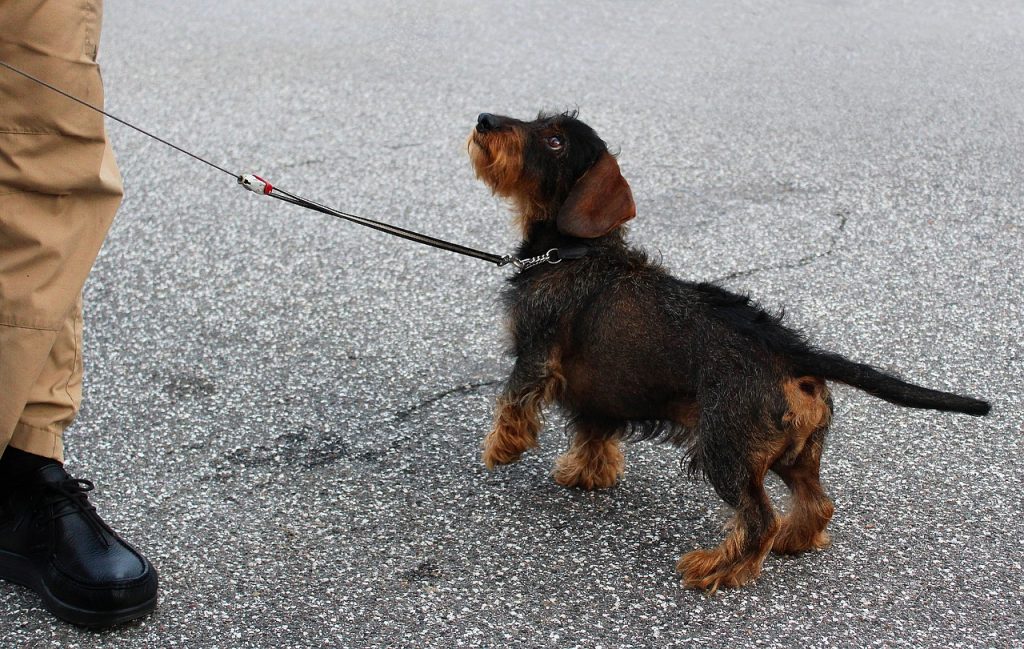
If you can’t bear to be parted from your canine friend, why not consider taking him with you on holiday to France? The process can be very straight-forward, and can be cheaper than putting your dog in kennels.

Taking Your Dog Abroad – Before You Go

Pets travelling between countries in the European Union can use the PETS travel scheme, which does not require your dog to go into quarantine. The first step is to get your pet a passport. This will involve a rabies vaccination; a blood test and a six month wait to make sure that there are no pre-existing signs of rabies. Your dog will also need to be micro-chipped (your vet can advise you on the whole of this process).

The least stressful way of travelling for your pet is by car. Travelling on the Eurotunnel is quick and your pet stays in the car with you throughout the crossing; you could also consider the ferry or train.


France is a very dog-friendly country, and dogs are welcomed in many restaurants and cafés. It is fairly common for French B&Bs to accept animals, but make sure that you check beforehand as not all of them do.

Bringing Your Dog Back From France

For the return journey, a little advance planning is required. You will need to visit a French vet less than 48 but more than 24 hours before the time of your crossing, for the tick/flea and worm treatments (don’t forget that most French vets are closed on Sundays, and many also close on Mondays).

The worm treatment is generally offered by tablet or injection, and the tick/flea treatment normally consists of a liquid applied to the back of the neck. This is just the standard treatment that would be regularly carried out by a responsible owner for a non-passported dog, and so should not be traumatic for your pet.

Tick disease (piroplasmose) is very prevalent in France, more so in some areas than others. The main symptoms are fatigue and loss of appetite, and the disease can be fatal, so it is important to take preventative measures. In addition to applying the tick treatment, you should always carry a small hooked tick removal tool, easily obtainable from any French pharmacy or vets, and make sure that you check your pet thoroughly after walks, especially if he is long-haired. If picked up early enough, piro is very treatable, so keep a close eye on your pet, and consult a vet if you are worried. The ticks are most active in the spring and autumn, so take particular care to make sure your dog is protected at these peak times.

Most French vets are very conversant with la rentrée, and most will also give your dog a comprehensive health check to make sure he is fit to travel. Before leaving the surgery, check that the necessary passport pages have been stamped correctly (the tick and worm pages are the obligatory ones). The customs officials will not allow any leeway, and you could be turned away due to forgotten passports or incorrect paperwork.

On the return journey, the procedure is very quick and easy, provided that all the paperwork is in order. Pet Control Officers will check the vet’s stamps in the passport, and also verify (by checking the microchip) that the passport belongs to the dog that you are presenting. The whole process takes only a few minutes, and once the microchip has been verified the dog can be taken outside again if he is getting at all stressed.

On the whole, travelling with your dog is very rewarding and well worth the small amount of ‘red tape’. It is far more satisfying to have your pet with you enjoying the holiday rather than stuck in kennels, and with a little effort you can both have a great time.

Tips

  • If you have a UK contact number on your pet’s ID tag, consider getting +44 added
  • The smaller French motorway service stations (aires), the ones that have no fuel or food facilities, are generally good places for your dog to stretch his legs, and some have paths and small wooded areas
  • It may be cheaper to buy your tick and worm treatment in the UK before you leave. It must be administered by a vet though.
  • Take your pet’s normal food and bedding for continuity to make the experience as stress-free as possible.

Selamectin in Dogs and Cats: Common Usages and Indications for Canine and Feline Revolution®

Selamectin is best known as the active ingredient found in the medication known as Revolution®. Selamectin is applied topically onto the skin, usually between the shoulder blades of the dog or cat, and has a number of different indications for usage.

Revolution® is formulated with selamectin dosages appropriate for either dogs or cats and available as either Canine Revolution® or Feline Revolution®, in various sizes depending on body weight.

Selamectin kills parasites infecting dogs and cats by stimulating the release of GABA (gamma amino butyric acid) and consequently inhibiting neurotransmission and blocking the stimulation of neurons to cause paralysis.

Selamectin (Revolution®) as a Canine and Feline Heartworm Preventive Medicine

One of the prime indications for using selamectin, or Revolution®, is as a heartworm preventive medicine for both dogs and cats. When used to prevent heartworms, selamectin needs to be applied monthly.

Selamectin is not effective where adult heartworms are present and is not effective in killing microfilaria (larval heartworms) circulating in the blood stream of dogs and cats infected with heartworms.


Selamectin as a Flea Control Medicine for Dogs and Cats

Another primary indication for using selamectin is as a flea control medicine for both dogs and cats. As with any flea control product, selamectin is most effective when used as a preventive measure before the dog or cat becomes infested with fleas. However, selamectin will treat an existing flea infestation also. Selamectin should be used monthly for the most effective flea control.

Using Selamectin for Ear Mite Treatment

Selamectin also kills ear mites and is therefore an effective ear mite treatment for dogs and cats. One application is often effective in treating ear mites in infected dogs and cats. However, a second dose of selamectin can be applied after one month for stubborn infections.

Other Uses of Selamectin in Dogs

Selamectin can also be used in dogs to treat:

  • one type of tick, known as Dermacentor variabilis. A repeat dose of selamectin may be necessary two weeks following the initial treatment if the infestation of ticks is heavy. However, it should be noted that selamectin is not known to be effective against other types of ticks.
  • sarcoptic mange. A second monthly dose of selamectin may be necessary if the mange infection has not cleared in one month.

Other Uses of Selamectin in Cats

In cats, selamectin is also known to be secreted into the intestinal tract and can be used to treat hookworm and roundworm infections.

Potential Side Effects of Selamectin

Selamectin is safe for pregnant animals and for nursing female dogs and cats. However, the medicine should not be used in puppies and kittens less than 6 weeks of age and should be used with caution in sick, underweight or debilitated animals. Some Collie breeds may also be sensitive to selamectin toxicity due to a genetic mutation. Caution should be used in these breeds when using selamectin.

Though selamectin is generally safe, side effects have been noted in some cases with its usage. Side effects may include:

  • localized hair loss in the area where selamectin was applied
  • itchiness
  • swelling
  • diarrhea
  • vomiting
  • muscle tremors
  • lack of appetite
  • depression
  • excess salivation
  • rapid respiratory rate
  • seizures (rarely)
  • incoordination (rarely)

Selamectin should be used topically only and should not be administered orally.

Selamectin (Revolution®) is used as a heartworm preventive medicine, a flea control medicine and an ear mite treatment in both dogs and cats and has several other indications as well. It is relatively safe and frequently used in pets. However, as with any medication, the potential for side effects is present and animals should be observed closely after treatment with selamectin.

Healing After the Death of a Dog

When your dog dies, you feel a sense of loss that seems impossible to heal. My husband and I experienced this unfortunate circumstance in May when our puppy, Hopper, unexpectedly passed away. As this was my first time experiencing such a deep, personal loss, I desperately needed some help to get through the next few weeks and months as the loss of Hopper seemed to consume me. With the love and support of my husband and family, I discovered that what would help me heal would be to acknowledge my feelings about the loss of my dog, to surround myself with support as much as possible, and, when I was ready, to give a new dog a forever home. Hopefully, what helped me during this difficult time can help you as you work through your healing process after the death of your dog.

Do Not Downplay Your Feelings

Whether you parented your dog for 15 months or 15 years, you treated your canine like he was your child. Feel comfortable to grieve for him as such. My husband advised me to cry whenever I needed to, and I did, often at random times during the day. Expressing your sadness is a way to release the pain little by little. If you fear embarrassment from crying in front of your co-workers, take some time off of work, if at all possible.

Do not downplay your feelings, thinking that “he was just a dog”. Your four-legged friend spent his life giving you unconditional love. Grieving over him is your way of honoring his life and all that he gave to you and your family.


Surround Yourself with Support

For a couple of weeks after Hopper passed away, I visited my parents and siblings almost every evening because my husband worked nights and it was really tough to spend my evenings in an empty apartment. My family loved Hopper as much as I did, and they gave me the freedom to talk about and cry over his passing as much as I needed to. At the same time, spending positive, quality time with my family gave me the opportunity to slowly take the baby steps that were necessary to move forward with my life.

Surround yourself with support as much as you can. Temporarily avoid spending time with people in your life who are not dog lovers as they probably do not understand the bond between a dog and his owner. If you feel that more support is needed beyond what’s available at home, consider joining an animal loss support group. For many individuals this has proven to be a very helpful outlet because every person in the group knows exactly what you are going through. Also, to receive help while at the same time knowing you are helping others is a good feeling, and good feelings are definitely hard to come by during the grieving process. While grieving for Hopper, I discovered that my local Humane Society offers grief counseling at no charge. A description of their counseling services can be found on their website. Contact your local Humane Society to see if a similiar support group is offered in your area.

Welcome a New Four-Legged Friend into Your Home

Just a few days after Hopper passed away, my husband was eager to adopt again. I, however, was not in a rush to parent another dog. At the time, I equated adopting another dog with replacing Hopper. I felt that Hopper deserved some time to be grieved over before I welcomed a new dog into the family. The fact is that neither my husband nor I had the right answer to the question When should we adopt again? Each individual who experiences the loss of a dog answers this question in a way that is best for him, whether it’s owning a new dog three days later or waiting three years before giving another dog a forever home.

My husband was fully supportive of my feelings, and we waited a month before we adopted the newest addition to our family, Taylor. Our new puppy played a huge role in our healing process. Before adopting Taylor, my husband and I could not help but focus our thoughts on the days when Hopper was sick. Having Taylor in our lives gave us the opportunity to remember the happier moments we had with our first child. Taylor loves to play ball, just like Hopper. She loves to visit my mom and dad, just like Hopper. Taylor even sits like Hopper. If you do decide to own another dog, your new furry friend will likely show behaviors that will remind you of your friend that passed on, but in a positive way. All individuals, both human and canine, would like to be remembered for all the happiness that we gave to others, not for experiences that created sadness for the people we love. Taylor helped my husband and me bring back the wonderful, happy memories that Hopper gave us and made the sad memories take a backseat in our minds. A new dog can do the same for you.

My advice on how to work through the grieving process after the death of your dog is not based on scientific study, but on personal experience. The loss of a dog is something that all dog owners will unfortunately experience, but with the acknowledgement of your feelings about your dog’s passing as well as the support from others, you can take the first steps towards healing. When you are ready, welcoming a new dog into your life will not only benefit him by giving him a forever home, but will help you as you continue to grieve over your dog while at the same time honor his memory.

The Easiest Way To Photograph Your Dog or Cat

Photographing your beloved dog or cat can be a great challenge, but if you know when she is in a restful, quiet pose, you can get that photo quickly, and in sharp focus. I love photographing our two Bedlington Terriers, and I have literally thousands of photos of them. We have a female, Misty, who is about 5 years old, and her brother Rogue, about 4 years old. There’s never enough photos, it seems.

Photograph Your Dog When She’s Sleeping

If your pet is running around and playing, its usually next to impossible to capture a good – not to mention great – photograph. After trying to take a good photo of Misty when she was running around, I realized I was fighting the natural flow of things. I saw the answer – just wait till she’s asleep. .

Even with instant auto-focus cameras, if there is the slightest delay between the moment you press the shutter button and the actual shutter release, the shot is usually a miss. Instead of capturing the entire dog in the frame, there would be only part of the dog. A picture of a dog’s back, from on top and angled, is not attractive. Give up the struggle.


Always Have Your Camera Handy

The secret to being able to take your time and to take the photo with great care, is be ready:

  • always have your camera with or near you – within arm’s reach
  • always have the camera turned on
  • have your camera on a tripod in advance of the photo session
  • if you are using a built in flash, have the flash turned on in advance
  • create an attractive “set” prior to taking the photos
  • groom your dog beforehand so she’ll look amazing

Create A Simple Photo Set For Your Pet

How can you create a “set” for your dog or cat before the photo session? Simple – just cover the chair or floor or backdrop with material. Obtain neutral colored material from a fabric shop, or from your own closet. How big? That will depend

  1. on the size of the couch, chair, floor, or seat you wish to cover,
  2. on the size of your dog or cat,
  3. on the size of the surrounding area upon which you choose to have photographic control

The color of the material should not interfere with the photograph itself. Backgrounds are best when they are neutral and not even noticed. I like neutral tones, and in the photo above, it is a rich, dark brown which complements Misty’s beautiful grey fur.

Pick Up Your Pet And Move Her Into The Set

If your pet is asleep, simply pick her up and move her over to the set your created. As simple as that sounds, it works. If your sweet dog is asleep, lying down, nice and still, you will be able to take your time and take as many photos as you want, and she will be still, in focus, and cooperative. It’s certainly a solution and easier than trying to capture her when she’s running around.

Leave Space For Cropping

As you look through the viewfinder, leave an extra 20% margin on each of the four sides of the animal for cropping (do this whenever you photograph anything). As you enlarge a photo, it expands proportionately and you will need the space. If you take a digital photo, of course you can instantly see the results – thus, you can adjust accordingly. Next, look to see If the angle of the photo is attractive. Can you see her eyes? Does her entire body fit in the frame? Is it in precise focus? Did you look at all possible angles? Time and practice and experience will enhance your results. You will always cherish your photos of your beloved pets. Take many photos. Keep practicing. Your photos will become more and more beautiful as you practice.

The Right Harness for Your Dog

During the past 13 years I’ve been lucky enough to enjoy the company of two dogs while walking, our dog Almo (who is sadly no longer with us), and Joker.

Almo

Almo was a Collie/Sheltie cross. He had the short Sheltie legs, but the sturdy body and strong neck of a Collie. Yep. He was pretty low to the ground, and had a barrel chest, which made him pretty powerful. Being 85 pounds didn’t hurt either. He was also very stubborn and single-minded.

I started out using a choke chain to try to train Almo how to walk nice. This didn’t work. His neck and fur were so thick and his willpower so strong that he would risk injuring himself before he would stop pulling.


So, I switched to a regular collar. It seemed more humane. But he would pull and pull, even as he gasped for air.

Back at the pet supply store, I held a nose harness in one hand and body harness in the other. Because of his low centre of gravity, I decided on the body harness.

At first, he walked carefully. It was odd for him to have straps around his chest and behind his front legs, I suppose. But he quickly got used to it. And with the leash attached to his back and the control focused on his barrel chest, he responded quickly to just a slight tug. He didn’t pull anymore and our walks were no longer a power struggle between him and me.

Joker

Joker is an eight-year-old Australian Shepherd/German Shepherd Cross. He weighs in at about 95 pounds and while he can be single-minded, he is less stubborn and more of a thinker than Almo was.

Because of the lack of success with the choke chain and the regular neck collar with Almo, I decided that perhaps the body harness would be a good place to start.

When I first put the harness on him, to say he didn’t like it at all was an understatement. He jumped around and bucked like a wild horse. But after a while, when he figured out I wasn’t giving in to his drama, he settled down. And he actually walked well for the first little while. I suppose it was because he was busy figuring out how to get the better of me.

And he did.

One day he saw a dog he wanted to get closer to (Joker is a herding dog, so he naturally thinks that all other animals should be under his control). Instead of just pulling, which he knew wouldn’t work, he reared up and then used all his weight to pull me when he hit the ground.

It was the middle of winter and we were on a hill, so I ended up skiing behind him. I was surprised that he had used his weight as he did to get to where he wanted to go; the other dog’s owner and her little dog were surprised to see us charging toward them; and Joker was very proud of himself.

From then on in, I got him to sit whenever another dog approached, but that didn’t help if he decided to pull. He had learned how to use his weight and the body harness to his advantage. It was definitely time to try something else.

So, I bought the nose harness. And he hates it, but only because it stops him from rearing up and pulling me.

The nose harness has given me back control. When his front paws leave the ground, I can pull him back down with little effort.

It took some trial and error to find the right harness for both my dogs. And it is important that you do the same – if you want to enjoy your walks and let others around you enjoy theirs as well.

What constitutes the right harness? One that is comfortable for him, but controls his pulling with as little effort as possible for you.

Dog Friendly Beaches on the North Norfolk Coast

North Norfolk has over 40 miles of coastline, three-quarters of which has been designated as an Area of Outstanding Natural Beauty. The coastline is made up of nature reserves, long stretches of sandy beaches, coastal paths, salt marshes, mud flats and sand dunes. The area is teaming with wildlife and is a haven for birds. The North Norfolk coast also has numerous beaches that are dog friendly, and providing that you are responsible for your dog and clean up after it, dogs will happily be welcomed at many beaches in the area.

The Dog Friendly Beaches of Snettisham, Heacham and Hunstanton

The well loved seaside resort of Hunstanton has a large sandy beach that stretches beyond the town itself. However the beach can only be enjoyed by dogs and their owners in autumn, winter and spring, as during the summer months dogs are banned from the popular and busy beach. There is parking available in the town and you can walk with your dog along Hunstanton’s promenade.

South of Hunstanton the sandy beach at Heacham can be enjoyed all year round as there are no restrictions on dogs. Head further south again and you reach Snettisham Beach and Nature Reserve, which can be found just off the Beach Road. All three beaches have long stretches of sand for your dog to wear himself out on.


Brancaster Beach

The Brancaster Estate is owned by the National Trust and encompasses the harbour, salt marshes, beach and part of the Norfolk Coastal Path at Brancaster. The beach itself is long and sandy and dog friendly, however there are restrictions in place between May and August. There is a pay and display car park.

Dog Friendly Holkham Beach

A few minutes drive from Wells-next-the-Sea is beautiful Holkham Beach. There is parking available for a fee but once you’ve paid you can stay all day if you wish. The beach can either be reached along wooden platforms that snake through the wood or along a sandy path that leads directly to the beach. Dogs will love the wide sandy beach backed by trees and sand dunes. When the tide is out it reveals a huge expanse of sand and it’s a long walk to reach the sea. You can walk along the coastal path all the way to Wells if you and your dog are feeling energetic. Holkham is a great place to take your dog throughout the year – just wrap up warm against the icy wind in winter.

Blakeney National Nature Reserve

The National Trust also owns and protects this stretch of pristine coastline that starts at Wells-next-the-Sea and goes all the way down the coast to Sheringham. With a mix of salt marshes, sand dunes, shingle and sand beaches, this area of the North Norfolk coast is ideal for exploring and enjoying brisk walks in the bracing North Sea air with your dog.

Blakeney Point is a spit of land made up of shingle and sand that stretches over three miles out into the sea. Seals and other wildlife can be spotted from here so always keep your dog under control. Blakeney can also be a starting point for the North Norfolk Coastal Path, great for long walks with your dog through places such as Stiffkey and Morston.

Cley Beach and Salthouse

Both Cley and Salthouse have fantastic stretches of shingle beach. Both beaches can be easily reached along the coast road and have free parking. The beach at Salthouse backed by a bank of shingle can be blustery, cold and the sea wild in winter but that’s part of its charm. There’s a bracing walk for you and your dog to enjoy from Cley to Blakeney Point.

East Runton Beach and Dogs

Located between Sheringham and Cromer, East Runton Beach certainly welcomes dogs with a dog waste box situated at the beach entrance. Hours of fun for you and your dog can be had on this spacious and sandy beach.

Dog Friendly North Norfolk

If you’re in doubt about whether a beach allows dogs on it or what the restrictions are you can always check with the local tourist office first. Always clean up after your dog and keep them on a lead or under control when instructed to do so, and you and your dog can have many happy days out on the dog friendly beaches of North Norfolk.

Boxer Dogs

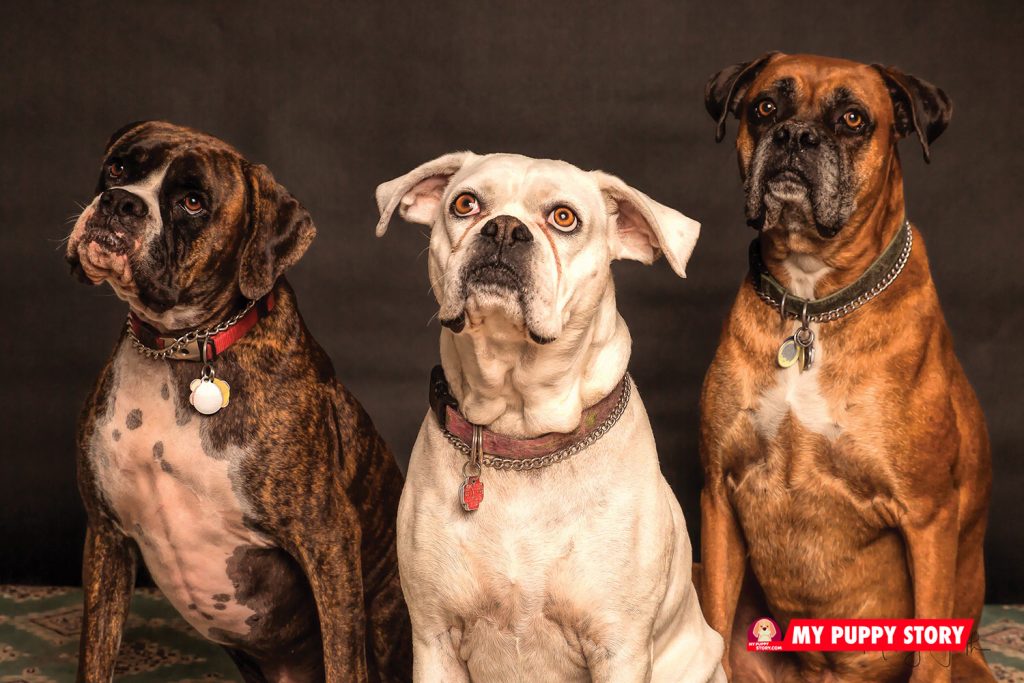
Boxer dog - mypuppystory.com

When the kids start begging for a dog, look no further than the boxer dog. As the former owner of a boxer mix, and two purebred boxer dogs, I can guarantee you’re in for hours of entertainment. These personable dogs embody every desirable trait in a family dog. Hopefully you’ll rescue an abandoned boxer, but if you insist on getting a puppy, educate yourself first on boxer ownership.

Boxer Puppies

Boxer puppies reign as the cutest of all puppies in my opinion. However, they also reign as the most destructive puppies. Before I learned about crate training, my boxer puppy, Newton, ate two pairs of prescription glasses, a new $800 over-stuffed living room chair, and a water bed. After purchasing a new $900 dollar traditional mattress, I caught Newton in the process of ripping that to shreds. Luckily, I caught him when he had just rendered a small tear. In spite of all that, Newton lived to a ripe old age.

Before getting a boxer puppy, consider the advice of Bashkim Dibra, author of Dog Training by Bash. Bash instructs his readers to avoid getting a rottweiler, shepherd, pit bull, or boxer unless you have an authoritarian personality. Boxers are one of the more stubborn dogs around, and they want to boss you. I speak from my own non-authoritarian personality experience.

Boxer Dog Personality

  • Funny
  • Gentle with kids
  • Great watchdog

Boxers can keep you laughing with their funny antics. Newton liked to sing along with music which kept everyone in the house entertained.

We had a pond in our backyard, and one day my daughter and I noticed a fish had gone AWOL. We combed the yard for that fish to no avail. About a week later, during breakfast, we noticed Newton running around the backyard with something in his mouth. We deduced that Newton had gone fishing and buried his catch for digging up at a later date.

A well-trained boxer makes the greatest babysitter in the world. You can trust them around babies and they love to play ball in the backyard with the kids. Our boxer-mix, aptly named Boxer, loved playing soccer with the kids. .

Although boxers wouldn’t harm a tick, many people are afraid of them, because of their size, and they sometimes mistake them for pit bulls. Like all dogs, they bark at strangers approaching their house and family.

Boxer Dog Rescue

You’ll find a wonderful boxer at a boxer dog rescue near you. My third boxer came from a boxer rescue in Los Angeles. Boxer Roxie, a four year old female with a black mask and dark-brown coat, was rescued from the county animal shelter by Boxer Rescue. Her family abandoned her, because she had given birth, and they wanted her puppy, so they tossed her away. Roxie turned out to be a gentle sweetheart who kept Newton company and out of trouble. Boxers end up in animal shelters, because people don’t do their research when choosing a dog. They need lots of exercise to release their high energy, and like any puppy, training is a lot of work.

White Boxer Dogs

At one time, white boxer puppies were automatically euthanized, because the American Kennel Club considered any white an undesirable trait on a boxer. My white boxer, Newton, was every bit as good a pet as a brown or brindle boxer. I’ve owned a lot of dogs in my lifetime and to this date, Newton ranks as my all time favorite dog, and I credit him for making boxers my favorite dog. If you get a white boxer dog, keep in mind that if any of the pink on his nose or ears doesn’t turn black, you’ll need to limit her time in the sun. The lack of pigment results in sunburn and can cause cancer.

Do the research before adopting a boxer puppy. If you do decide on one, remember, it’s a lifetime commitment. Boxers live about 10 years on average. Dropping your boxer off at the animal shelter is akin to dropping your child off at the orphanage. Consider a rescue boxer and consider a boxer mix or white boxer. If you don’t possess an authoritarian personality, look for an adult already trained and well-mannered boxer. But most important of all, enjoy your boxer, give it a lot of love and affection; exercise and playtime. She’ll reward you in return.

The Afghan Hound: Facts About Afghanistan’s Hound and Origins of this Beautiful Breed

Afghan Hounds are beautiful, regal dogs, combining strength and dignity with speed and power. However, they need a lot of grooming and exercise and should only be taken on by a dedicated and experienced dog owner.

Afghan Hound Dogs

Afghanistan recognizes two types;; the Ghazni, which is a temperamental mountain breed, and the Bell Murrey, which is larger and heavier plain land dog, named after the Englishman who brought the breed to Europe in 1888. The standard breed is based on the mountain type.

Origins of the Afghan Hound

Along with Afghanistan, Afghan Hounds are also native to regions of China and Kashmir. It is an ancient breed predating 2000 BC, appearing in 4000 year-old cave paintings of northern Afghanistan and in Egyptian papyri. It remained purebred, with exportation strictly prohibited, and only eventually appeared in modern Europe as contraband.


Originally bred as a working dog rather than for its appearance, this hound was used as a hunter, herder and watchdog, able to hunt wolves and snow leopards as well as deer. It also has a talent for racing, sighting and tracking.

The Black Afghan Hound

The most commonly known color is gold; however, these dogs come in various colors, including black.

Black Afghan Hounds can sometimes have white areas on the tail tip, chest or toes, and some have a blue tint to the skin. In some dogs it is very difficult to tell whether they are completely black or a mixture of black and brindle.

Other colors include black and tan, brindle, blue, cream, silver and domino.

Afghan Hound Puppies

Afghan Hounds have an average litter of eight puppies, but this can vary from as little as one, right up to fifteen. These puppies will grow to be around 25-34kg adults, living for up to fourteen years. Dogs tend to grow up to 74cm with bitches a little less at 69cm. Tall and slender with a silky topknot, the favored coat is usually dense on the back from shoulders to tail but long and silky on the flanks, hindquarters and chest. Ears and legs are covered with long hair, with feathering on the feet trimmed for practical reasons.

Afghan Hounds should carry their head high and proud, walking with supple movement that is accentuated by the flow of their coat.

Afghan Hound Breeders

Reputable breeders should be able to prove their dogs are purebred by providing a pedigree. Purebreds trace their ancestry back via the parent lineage, and to be registered with the Kennel Club, a dog must be descended from purebred, Kennel Club registered parents that have a pedigree of ancestors logged with the Kennel Club.

Rescuing Dogs

As with all dogs, it is possible to rescue an abandoned or unwanted Afghan Hound from rescue centres. Some of the reasons why the dog may have been abandoned are due to its high maintenance, so it is important to consider this before taking one on. Reputable organizations include Afghan Hound Rescue UK or the Afghan Hound Club of America Rescue.

Looking After Afghan Hounds

Afghan Hounds make good pets, although they do better with older, more mature children who know to be gentle with animals.

The Afghan Hound temperament is sensitive, spirited and dignified. Their elegance and stance can make them appear aloof, but they are loyal and affectionate dogs. They need firm and calm handling as well as companionship, as they can pine if deprived of the correct leadership.

They prefer a gentle but strong “pack leader”, and need clear guidelines otherwise they may become disobedient. They can also be difficult to house train.

They also need plenty of exercise in the form of a long daily walk; otherwise they will become highly strung.

Afghan Hound Grooming

Afghan Hounds have long, thick coats, which need regular attention. Owning one of these dogs takes dedication because it is not possible to dry brush them; doing so will damage the coat, so they need regular baths in order to be groomed.

A weekly bath and groom is advised, particularly if shown, but also if just a pet, as keeping to a weekly schedule will prevent the coat from becoming matted.

Joining Clubs

Breeders, owners and judges of specific breeds can join clubs that offer support and information. Such clubs include the Afghan Hound Club of America, which is a member of the American Kennel Club. UK clubs are split into regions, including the Western Afghan Hound Club, which has been running since 1968, and the Southern Afghan Hound Club, running since 1946.

Overall, Afghan Hounds make wonderful pets and companions, provided owners are willing to take the time and responsibility to offer them excellent care and leadership.

Choosing and Breeding a Champion Dog: Owning a Prize Show Dog

There is a great deal more involved in producing a championship dog these days than just mating two good looking specimens of a breed.

Breed Standard

To become a champion dog, each animal must compete and accumulate points in the conformation show ring. That means that he or she must meet a specified kennel association breed standard. This includes criteria for temperament, height and weight ideals, musculature, stance, movement, coat colour and overall appearance. The dog who most closely matches this ideal, will win the show and gain championship points. When a certain number of points is obtained, the dog is deemed to be a champion. Genetics plays a great role in determining the qualities necessary to become a ring champion.

To understand how, let’s look at some basic genetics. Gregor Mendel, carried out inheritance experiments using pea plants. He came up with the laws of genetics. Chromosomes are strands of DNA . The traits that are inherited are placed along these strands in pairs called alleles . During breeding, each offspring inherits an allele from the stud and bitch. If a specific breed is supposed to have a black coat, then two dogs with two dominant alleles for black coat would be the ideal combination. The genetic composition is the genotype. The way these genes appear on the dog is called the phenotype.

Dog breeders select dogs for breeding based on their history and phenotype. They can assume that if generations of their dogs have had a black coat. It would be unusual for a brown coloured puppy to appear.

Selective Breeding

When a dog is to be bred to meet the standards for the show ring, or other breed specific competitions, breeders can try to factor in all the selective processes when they look for a dog for stud. Computer programs are now available for breeders, where they can input the breeding history of a lineage, and determine the probability of getting the desired result. Breed standards became narrow for a while. This resulted in many health related problems because of inbreeding. Widening the breed standard resulted in more genetic variation and promoted healthier animals.


Health Problems Associated With Breeding Dogs

Many dog breeds have been plagued by many diseases. Hip dysplasia, elbow dysplasia, subaortic stenosis (heart problems), eye problems, cystinuria (kidney problems) are just some of the results of inbreeding in different dogs. Many of these conditions are not visible to the naked eye. Countless canines have been diagnosed with elbow dysplasia, for example, despite being a visually perfect specimen of the breed. They shows no signs of problems, but the opportunity to breed is lost because of the abnormality.

Computers and the Science of Breeding

As with other facets of life, computers have taken over the world of breeding. All championship dogs can now be located on the internet. Most dog breeders now require that all their animals be certified for heart, hips, eyes, elbows and sometimes cystinuria. Evidence of these tests usually accompany the dog’s profile. Cystinuria is one disease that can be detected by DNA testing. Dog lineages can be traced back five or six generations on the web. Reports of health problems and breeding issues can easily be accessed. Breeders can now input desired characteristics for given traits and find the best possible combinations to get the result they want.

Organizations such as the OFA and the Ontario Veterinary College keep comprehensive records of dogs tested. This forces breeders to disclose any genetic information that might be helpful in choosing a puppy, or choosing a dog for breeding. Dog breeding is a big money proposition and world champion puppies have fetched as high as $5,000+ dollars on the market.

The Future of Dog Breeding

Genetic testing will no doubt become larger business for dogs and it will soon be easy to select your puppy without ever seeing it. You will still get the dog you desire. You will also get access to a greater data base of diseases. DNA testing is now available for Von Willebrand’s Disease, Retinal Apathy, Copper Toxicosis, and Pyruvate Kinase Deficiency and these are just a sample of the available tests.

The internet and dog breeding are now permanently linked. It is a business that becomes more precise and scientific each year. Grading of certain diseases is still subjective, and although the data bases are expanding, certification is still open to subjectivity and opinion, and can still be tampered with. Science helps with the selection of show dogs. Genetic testing and data bases provide information helpful in getting a championship dog, as many consumers have been fooled by unscrupulous breeders and the naked eye.

Breeds of Sled Dogs: Alaskan Malamute, Siberian Husky, and Samoyed

Several breeds of dogs have been used as sled dogs with three of the most common types being the Alaskan Malamute, the Siberian Husky, and the Samoyed. These powerful dogs are very athletic and love to run. Sled dogs are intelligent, independent dogs who are generally friendly with people and do well living in the cold.

Sled Dog, the Alaskan Malamute

With its exact origins unknown, the Alaskan Malamute was first known to be living on Alaska’s northwest coast with a group of native people called the Mahlemuts. At this point in time, Malamutes were used to help hunters by carrying the carcasses of big game. In more modern times, Alaskan Malamutes have been used to haul freight and as search and rescue dogs. Their main function today is sled pulling.

The Alaskan Malamute is a Nordic breed of dog with a thick, double coat of fur to keep it warm. As fun-loving as they are, Alaskan Malamutes are very strong-willed and can be challenging to train. Friendly with people, Alaskan Malamutes can be aggressive with other dogs. Professional training is highly recommended.

Alaskan Malamutes are happy as long as they get plenty of exercise, otherwise, they can become destructive. This breed of dog is great for people who enjoy jogging and hiking. They can also do well as a family pet, although because of their size, they are not recommended for families with small children.

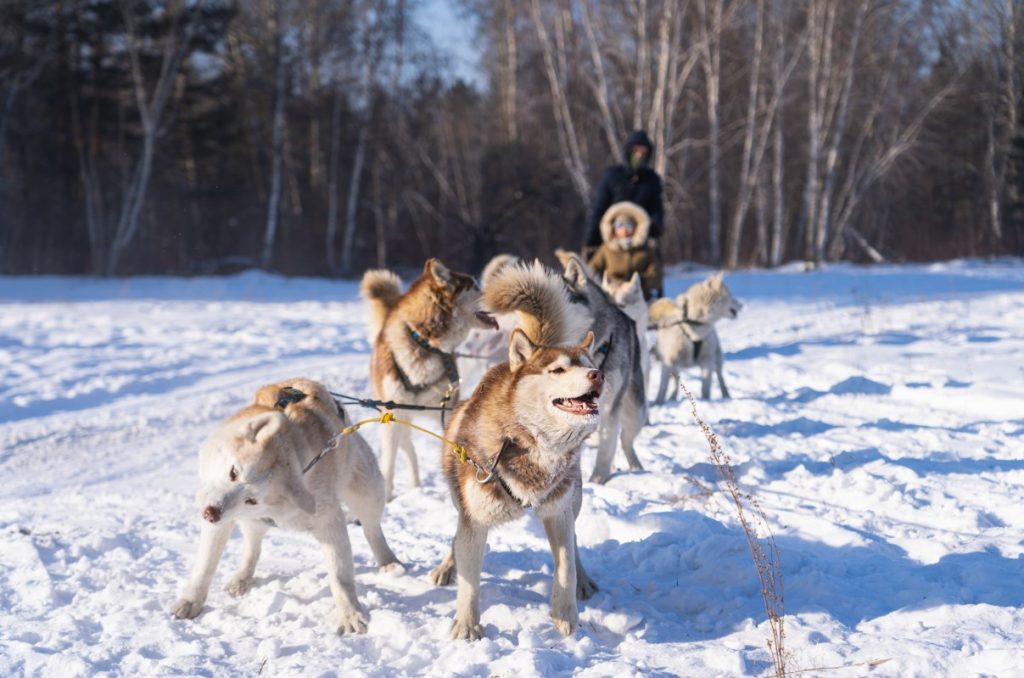
Sled Dog, the Siberian Husky

Native to Siberia, the Siberian Husky was developed by the Chukchi for the purpose of sled pulling. Brought to Alaska for the purpose of racing, the Siberian Husky, (also known as the Arctic Husky,) proved to dominate the sport. Siberian Huskies became Alaskan heroes in 1925 when they carried life-saving serum for 340 miles to save people who were dying of diphtheria in Nome.


Siberian Huskies are very social dogs who are playful, adventurous, alert, and independent. Like the Alaskan Malamute, Siberian Huskies love to run and need lots of exercise. Although not big barkers, Siberian Huskies can be known to howl. If bored, they have a tendency to dig and chew. During shedding season, their fur can fall out in handfuls.

Usually good with another dog in the house, the Siberian Husky can be aggressive with strange dogs. Even though it’s known for its social ability, some Siberian Huskies do well with children, while others don’t. With its intelligence, affection, and endurance, (particularly with sled pulling,) the Siberian Husky stands out as one of the most popular of the Arctic breeds.

Samoyed, a Sled Dog

The Samoyed originated in ancient times and was named for the Samoyed people who came from Central Asia to Siberia. The Samoyed’s function was to help herd reindeer and guard them against predators. In the late 1800s, Samoyeds came to England and later arrived in the United States in 1906 when the first Samoyed was presented as a gift from Russia’s Grand Duke Nicholas.

Samoyeds are happy, gentle, and playful dogs who love people. Because of their friendly nature, Samoyeds make great friendly pets. Its Nordic origins causes it to have the tendency to bark and dig. This can be avoided by proper training and exercise. Samoyeds are sensitive dogs who can have a stubborn streak.

Affectionately known as Sammies, Samoyeds love cold weather and keep warm with their double coat of weather resistant fur. They can be heavy shedders, so it’s best to keep up with grooming during shedding season. The reputation of being a good companion continues to help the Samoyed’s popularity to grow.

Sled dogs are hard-working dogs who are happiest when they’re free to run. As long as they get lots of exercise and some proper training, common problems associated with sled dogs can be avoided. Their strength and endurance make them excellent dogs for pulling sleds. Sled dogs are just one of the breeds of working dogs. Others include retrievers and rescue dogs.