15 Things to Know Before You Get a Sheepadoodle

Sheepadoodles are getting all the attention and desirability due to their lovable, jolly, friendly nature. But in spite of all the appeal and popularity, most people don’t know much about this breed.

If you are thinking about having this teddy bear as your pet, then here are some of the crucial facts and insights all about this incredible pup.

So, hold tight as we are about to begin our informational roller-coaster ride to give you a thorough insight into the Sheepdog Poodle Mix world.

  • Breed Family: Hybrid
  • Height: 13-28 inches
  • Weight: 60-80 pounds
  • Colour: Black, white, black and white, white and red
  • Dog-Friendly: 4/5
  • Temperament: Playful, affectionate, energetic, quiet
  • Activity Levels: 1-2 hours per day
  • Needs for Grooming: Moderate to High
  • Life Span: 12-15 years

Introduction of Sheepadoodle:

It is an elegant crossbreed of Old English Sheepdog with a Poodle. The result of this crossbreed comes with outstanding genetic makeup.

Sheepapoo is the resulting breed of the most famous movement of the 80s known as the designer dog movement.

The breeders back then tried to crossbreed the endearing Poodle with a variety of other dogs to get the type of new breeds.

The coat of the Poodle is low maintenance and requires a little combing. This was the cherry on the top for having a mixed breed with all the cuteness, loving nature, and obedience.

Due to the crossbreed feature of the Sheepadoodle, they still do not get the pedigree status from the American Kennel Club, but trust the people who love this type of pooch just don’t care about it.

Undisputed Playtime King:

Be it tug a war, fetch, or anything else, your dog is going to playtime longer than you can. The Sheepadoodles love to play and will never disappoint you for being a playmate.

So if you are thinking about having this mix breed, you have to be ready for a lot of playtime. However, if you have kids, then this fluffy canine is the best choice for your family.

They adapt themselves according to the environment really quickly and devote themselves to the owners.

These dogs are incredibly playful and friendly with the children, and families with children being an owner is an added advantage for them.

The Sheepapoo is a convenient breed to start your ownership journey.

Due to their smart brains, lack of stubbornness, and cooperative nature, they tend to learn things promptly. So if this is the first time for you to have a dog, then go for a Sheepadoodle.

Sheepdog Poodle Mix as a Pet:

Having a Sheeppoo as a pet is a journey filled with love and fun. From the day they enter your home, they ignite the learning process.

Due to their inquisitive nature, they keep on looking for new things and new ways of having fun.

But this inquisitive nature makes them a few home destroyers as they will explore each corner of the home to find new things. This habit can be stamped out from your adorable pup with some training.

Sheepadoodle have brilliant brains, and this makes them quick learners.

Alongside having a canny mind, they also possess a non-stubborn nature that makes them highly obedient dog breeds.

So, if your beloved pet is set on a mission of destroying the home, all you need is a bit of training to show what a good or bad behaviour is?

Super Energetic:

As mentioned above, this stunning breed adores playing. Their insatiable urge to play does not tarnish with age. Instead, they keep the same spirit even when they get older.

Sheepadoodle puppies, when arriving in the world they are the packet full of energy. So even if you buy a puppy for your home, make sure to fill their crate with the stuffed and chew toys to play with.

The never-ending thirst for playtime could cause certain issues if you left your pup alone for long periods.

This fluffy pet has strong stamina to play, and you might get surprised as to how long they can play without getting tired. This playtime fantasy is something that inspires dog owners to have a Sheepadoodle in their home.

Friendly Nature:

Sheepadoodles are a very gentle, loving, and jolly dog. They love to play, run, and meet new people. But a little bit of training is a must to make them acquainted with other dogs and people.

With their sharp mind, they are going to learn how to behave while outside and would be gentle and friendlier towards other dog owners and dog breeds.

Swimming Addicts:

Sheepdog Poodle Mix is crazy about swimming and will waste not a single moment to get into the water. This does require a bit of training and a close eye on them while around any pool.

Despite all their love for the water, they do not know the basics of swimming and would catch into difficult situations if not appropriately trained.

Having a Sheepadoodle as a pet will bestow you with a playmate for a lifetime. They are calm, loving, playful, and jolly and show great affection towards the owners.

Being an affectionate dog means that you have to minimise their alone time as they would love to cuddle on the sofa and sleep near your feet in the night.

Some Basic Insights about Sheepapoo:

While opting for a Sheepdog Poodle Mix as a pet, there come various queries regarding this breed. So we have dedicated this section to the frequently asked questions to equip you with the necessary information you need to know about this designer dog.

Appearance – Size and Weight:

If you are curious like all the dog owners about the size of the adult Sheepadoodle, then here is the answer, a healthy one may reach the height of 13 to 28 inches with weight ranges between 60 to 80 lbs.

Training Requirements:

Sheepadoodles are not stubborn at all and thus making them an excellent learner. They have an extremely sharp brain and learn about good and bad behaviour really quick.

Along with positive reinforcement, you have to add a bit of strictness to the training.

This type of pooch does not learn only by positive reinforcement, but they would understand your tone and respond to acceptable and unacceptable behaviour.

Also, appreciate their learning by treats and praise as this boosts their morale.

Sheepapoo shows an incredible friendlier side for others. But nothing comes easy to make your pup social and close to other dogs; you require a bit of training.

You have to introduce your little munchkin to the other dog breeds and people at a young age to make them acquainted with them.

Social training is a must, as it will make them realise that interacting with other people and dogs is a normal life practice.

“Puppy Training Demonstration”

Sheepadoodle Grooming:

The grooming sessions of the Sheepadoodle should be initiated at a young age to introduce them to the overall concept.

According to experts, you must groom your dog daily to make them familiar with this practice.

Grooming is going to be part of your life for a long time, and it would be better if you make an understanding between you and your pet about it.

We recommend you to have a messaging comb to give your pup not only a lovely detangle hair but also a good scratch.

  • What About Their Shedding?

As mentioned earlier in the text, Sheepadoodles are the designer dogs that were crossbred to include the low shedding nature of the Poodle into the new breed.

So by having this furry pet, you don’t have to deal with a large amount of mess all-around your home.

The low-shedding does not claim that Sheepdog Poodle Mix does not shed at all, and you can sit back and relax. They’re still going to be a bit of a mess, and you have to ensure that you deliver proper grooming to avoid excessive fur loss.

The fur of a Sheepapoo demands effective combing twice or thrice in a week, at least. But if your dog loves to swim, then you better shave their fur off.

Wet hair gets all the tangles and thus demands excessive combing.

Get yourself familiar with the right dog grooming products to keep your canine in perfect shape all the time.

Common Health Issues?

Although with high energy and playful nature, this dog breed stays healthy most of their life, this could not be said about genetic disorders.

It would be prudent to ensure a medical check-up of your adorable pup by an expert vet on regular intervals. But unlike most other mix-breeds, Sheepadoodle has a low tendency of having genetically transmitted health issues.

Breed Temperament and Behaviour:

Sheepdog Poodle Mix is a designer dog, designed for the family, so they are perfect for a family environment.

They show a warm, friendly, and gentle behaviour towards children and love to play with them all the time.

They are highly intelligent and will pick up quickly as to which behaviour you like and which you don’t.

Their devotion might cause some issues as they don’t like to stay alone and want some constant backup for their mental workout.

If left alone or ignored, the excessive mental and physical energy might develop some strange behaviour in your pup.

You have to provide them with a lot of playtime, walking, and exercise to consume energy positively.

Sheepadoodle Cost:

The price of this beautiful pet varies with the genetic qualities they have. The higher quality genes they carry, the higher will be the price.

As the American Kennel Club does not recognize them, the pedigree is of no use. You can have a Sheepadoodle pup for $900 to $2,500 on average.

Sheepdog Poodle Mix Lifespan?

These dogs have a reasonably higher life span. If they are provided with the right grooming, care, nurture, and medical attention, they can live up to the age of 12-15 years. But for your canine to be of that age, they require a proper diet, exercise, and walk routine.

Some Amazing Facts about Sheepadoodle:

Wow, you finally decided to get a Sheepadoodle. Good! But first, Let’s see some interesting facts about this cunning, companion dog.

They Can Easily Put on Pounds:

Due to the unique genetic makeup they possess, this crossbreed is more prone to obesity. You have to keep a close eye on their body mass and appearance.

A fluffy, chubby puppy might not be a problem, but with the growing age, they have to maintain their weight to avoid health issues.

They Can Develop Separation Anxiety:

As mentioned above, Sheepapoo is highly devoted to dogs and doesn’t like to be left alone. If you are living in a setting where you have to leave your beloved puppy alone, then it’s going to be a problem.

This dog breed has been reported to develop separation anxiety if left alone for long periods. You can make arrangements like having another pet or asking someone to watch your dog for you.

They Got a Variety of Names:

Along with the official name “Sheepadoodle,” they got other names, including Sheeppoo, Sheepdog Poodle, Sheepdog, or, Sheepapoo. It’s entirely up to you as to which name you call them in your region.

Mini Sheepadoodle:

Want a pocket-size version of your favourite canine? Get yourself a Mini Sheepadoodle.

Yes, with the increasing demand of this fluffy pooch, the breeders attempt the shorter and cuter version to offer great qualities in small packaging.

“Miniature Sheepadoodle”

Hypoallergenic Dog Breed:

This designer dog is hypoallergenic and offers an excellent option for those who have any kind of allergies.

As there are low shedders, the allergens tend to stay on the body of your pup and don’t float in the air (making it safer for people with allergies.)

Can Be a Guard Dog?

The sharp brain of Sheepdog Poodle Mix can identify a friend and a foe, and this quality makes them outstanding guard dogs.

Although they don’t alert you about thieves, they would inform you if there is any wild animal outside.

Wrapping Up:

In this text, we have tried to cater to all kinds of Sheepadoodle related queries and to make you more acquainted with this amazing dog breed.

If you are thinking about having a pet, then this energetic, sharp, friendly, playful mate makes the perfect cut for being a companion.

Sheepadoodles are not only low maintenance but offer great devotion and love to the family they belong to. So if you choose them to be your pet, we are sure that you are not going to regret this decision.

Can Dogs Eat Shrimp? Everything You Need to Know

Can dogs eat shrimp? A lot of times, dog owners ask this question.

The simple answer to this is YES; they can! But there are some limitations and technical things that you may need to know before giving this delicious seafood to your dog.

But one thing is for sure, dogs can eat shrimp, and it’s beneficial for them. However, shrimps should always be served in moderate quantities. Excessiveness of anything can be dangerous!

Today in this article, we’ll explain, can dogs eat shrimp? What are the benefits of it, with disadvantages? So, continue reading this piece of writing to get to know more about it.

How Should Shrimp Serve to the Dogs?

As mentioned-above dogs can eat shrimp, however, it should always be adequately cooked. Yes, raw shrimp contains a lot of bacteria that can cause severe shellfish toxicity.

You should never serve raw shrimp to your dog. Additionally, you should never exceed the required amount of shrimp served for your dog.

Like humans, dogs love to eat shrimp because it gives a delicate and refreshing taste to your taste buds, but it’s not safe to serve it in large quantities to your pooch.

Although this food is a good source of proteins like tuna and salmon, dogs can digest it easily. But it should never be given in massive quantities.

The best strategy is to remove shells altogether as it can pose choking hazards and can easily cause obstructions in your dog’s throat.

However, steam shrimp is a perfect treat for your dogs, but do not go for fried or breaded ones. It might be delectable for you, but it contains unnecessary fats and oils, and so not good for your dog.

So How Much Shrimp Should Be Served to My Dog?

Moderation is good! You should be moderate in whatever you serve to your dog. Excessiveness can lead to unwanted consequences. It’s essential to know every dog is different, and so the reactions can vary.

Your dog doesn’t need to react the same way as your neighbour’s dog is doing. It might respond inversely to shrimp more than others. However, it’s OK to serve one or two pieces of this delicious seafood to your dog.

You need to offer a partial shrimp to small breeds as a precaution.

Additionally, it’s always recommended to consult with vet nutritionists if you don’t have a clear idea about per serving quantity.

What Serious Problems Your Dog Can Face?

Maybe your dog is enjoying every serving, but in the end, he’s the dog; he doesn’t know what’s right for him, so it’s your responsibility to be sure of that.

Shrimp can be a common cause of food allergies and intolerance in your dog. Along with various other animal protein food sources like milk and beef, seafood too can trigger an allergic reaction in your pooch.

Also, stop feeding this shellfish food to your beautiful pup if he’s showing symptoms like upset stomach, intestinal discomfort, diarrhoea or vomit, etc. If it’s so, then eliminate the shrimp from the dog’s treat to see the symptoms clear up.

Can Dogs Eat Shrimp?

Is shrimp good for my dog if they do not have an allergy or sensitivity to seafood?

YES, in small quantities! You can limit it to half a cup once a week, but it should be cooked appropriately. Always keep your dog away from spicy shrimps.

What’s The Health Benefits of Shrimp?

Shrimp is the best source of minerals. Yes, it helps to keep the bones and teeth of your dog healthy. It also speeds up your pup’s metabolism.

However, the minerals which are found in this food include iron, calcium, and phosphorus. It’s a food which is low in calories and saturated fat. It contains all beneficial health nutrients, including vitamins B12, niacin, and iron.

The best thing about shrimp is it’s the best source to control a dog’s weight.

Can My Dog Eat Cooked Shrimp?

Well, yes, he can definitely eat cooked shrimp. But you need to make sure that it’s not cooked with garlic or other spices, as these can disturb the dog’s stomach.

Moreover, it’s necessary to ensure that the food is peeled correctly.

Can My Dog Eat Shrimp Shells?

NO, it’s not recommended to offer your dog shrimp shells. It must be cleaned off and adequately cooked. Remove all cartridges, so that your dog can consume it quickly. You can use a knife to open and pull out the vein.

You don’t need to waste these shells! You can just place them aside and can make good seafood stock. Yes, you can boil them with vegetables, and give your dog tasty shrimp broth as rewarding treats.

Can My Dog Eat Boiled Shrimp?

What if I feed it boiled for my dog? Well, it’s OK to give boiled shrimp to your dog, which has been cleaned and adequately shelled. However, boil it until it reaches an internal temperature of 145 degrees.

A Big Disadvantage of Shrimp for Dogs:

Do you want to know how this food can be harmful to your dog? It’s essential to know that shrimps contain high cholesterol levels, and if you like to giving them to your dog, then maybe he can deal with weight management issues.

So it’s necessary to keep the quantity moderate. If you think of a sudden increase in your dog’s weight, then it’s better to cut off its supply.

Conclusion:

So can dogs eat shrimp? Yes, he can! But in small portions and only cooked one without spices. Never try to feed your dog with raw shrimp, always remove tails and veins before serving it.

Just stop feeding food and other foods if your dog is showing unusual symptoms, like intolerance, red, irritated skin, diarrhoea, etc. However, consult with your dog’s vet if something wrong has happened. You should never wait long; it can worsen the condition of your dog.

We hope this article will help you understand everything you need to know about shrimp for your dog. Let us know if you have something interesting to share with us.

Average Dog Lifespan – How Long Do Dogs Live?

Average Dog Lifespan

How long do dogs live?

Having a dog in your life is the greatest joy and would fill your life with love and affection. The small paws imprint countless smiles, unconditional love, and friendship in one’s life.

Although having a dog as a pet might come with some drawbacks, at the end of the day, you’ll find yourself with a real companionship.

Keeping in mind the undeniable love and affection between the dogs and their owners, the question becomes inevitable as to how long do dogs live?

Well, we cannot say exactly when you have to wave goodbye to your loving pet. But here in this writing output, we have gathered some factors that might affect their health and well-being.

What is the Average Lifespan of Dogs?

On average, the dogs can live up to 11-12 years. According to the search results of the study conducted with 15,000 dogs, only 20% of them live beyond their 14th birthday, while 10% of them make it to 15 years.

However, the difference in breeds, structures, environment, and sizes cast a significant impact on how long your pet is going to live.

Factors Affecting Dogs Lifespan:

Want to ensure your pup lives a long and healthy life? Then here are some of the crucial factors that affect your dog lifespan.

Proper Care:

A pup receiving proper care, nutrition, and exercise routine tends to live much longer than the other dogs of the same breed.

Along with proper diet and care, it is essential to visit a veterinarian once in a while with your furry friend.

Size of Dog:

According to scientific research, larger dogs live less than smaller ones.

Take into consideration the Jack Russell Terrier and Irish Wolfhound. Both are 15 lbs and 115 lbs, respectively. But the former tend to live up to 13-16 years, but the latter live only for seven years.

Breeding Methods:

What breeding method you adopt for your canine, can also impact your pup lifespan.

Inbreeding imposes more genetically transferred disease while in cross-breeding, this risk reduces to a significant level.

As compared to the pure breed, the mix breed pups are more likely to have longer lifespans.

Neutering or Spaying the Dogs:

Your dog might live a little longer; he gets spayed or neutered at a young age.

Although there is no research proof, imagine how convenient it would be for your pup to live a healthy life without worrying about the litter of puppies?

Who is the Longest Living Dog Breed?

They are excited to know which dog breed lives the most? Well, its Chihuahuas have the most extended lifespan among all dog breeds. They have an average lifespan of 15 to 20 years.

Along with Chihuahuas, an Australian Cow dog is also famous for its most extended lifespans.

According to records, some of the Australian Cow Dogs live more than 20 years. The longest living dog was recorded to have lived for 29 years, 5 months, and 3 days.

How Long Do Dogs Live? 200+ Dog Breeds

The list below displays the average lifespans (in years) of 200+ dog breeds of this world:

A

  • Affenpinscher – 12-14
  • Afghan Hound – 12-14
  • African Boerboels – 9-11
  • Airedale Terrier – 10-13
  • Akbash – 10-11
  • Akita – 10-13
  • Alapaha Blue Blood Bulldogs – 13
  • Alaskan Klee Kai – 14
  • Alaskan Malamute – 10-13
  • American Bulldog – 12-14
  • American Eskimo Dog – 12-14
  • American Foxhound – 10-13
  • American Staffordshire Terrier – 12-14
  • American Water Spaniel – 10-12
  • Anatolian Shepherd Dog – 10-13
  • Australian Cattle Dog – 10-13
  • Australian Kelpie – 12
  • Australian Shepherd – 12-18
  • Australian Silky Terrier – 11-14
  • Australian Terrier – 12-14

B

  • Basenji – 12-14
  • Basset Hound – 11-14
  • Beagle – 12-15
  • Bearded Collie – 12-14
  • Beauceron – 10-12
  • Bedlington Terrier – 12-14
  • Belgian Malinois – 10-12
  • Belgian Shepherd Dog – 10-12
  • Belgian Tervuren – 10-12
  • Bernese Mountain Dog – 6-8
  • Bichon Frise – 12-15
  • Black Russian Terrier – 10-11
  • Black and Tan Coonhound – 10-12
  • Bloodhound – 9-11
  • Border Collie – 10-14
  • Border Terrier – 12-15
  • Borzoi – 10-12
  • Boston Terrier – 11-15
  • Bouvier des Flandres – 10-12
  • Boxer – 9-10
  • Briard – 10-12
  • Brittany – 12-13
  • Brussels Griffon – 12-15
  • Bull Terrier – 11-14
  • Bulldog – 8-12
  • Bullmastiff – 8-10

C

  • Cairn Terrier – 12-14
  • Canaan Dog – 12-13
  • Cane Corso – 11
  • Cardigan Welsh Corgi – 12-14
  • Carolina Dog – 13
  • Catahoula Leopard Dogs – 12
  • Cavalier King Charles Spaniel – 9-14
  • Central Asian Ovtcharkas – 12
  • Cesky Terrier – 14
  • Chesapeake Bay Retriever – 10-13
  • Chihuahua – 14-18
  • Chinese Crested – 13-15
  • Chinese Foo – 11
  • Chinese Shar-Pei – 8-10
  • Chipoo – 14
  • Chow Chow – 8-12
  • Clumber Spaniel – 10-12
  • Cockapoo – 14-18
  • Cocker Spaniel – 12-15
  • Collie – 8-12
  • Coton De Tulears – 15
  • Curly-Coated Retriever – 8-12

D

  • Dachshund – 13-15
  • Dalmatian – 12-14
  • Dandie Dinmont Terrier – 11-13
  • Doberman Pinscher – 10-13
  • Dogue de Bordeaux – 5-7

E

  • English Bulldogs – 8-12
  • English Cocker Spaniels – 12-14
  • English Foxhound – 10-13
  • English Setter – 10-12
  • English Shepherd – 15
  • English Springer Spaniel – 10-14
  • English Toy Spaniel – 10-12
  • Estrela Mountain Dogs – 11

F

  • Field Spaniel – 12-14
  • Fila Brasileiros – 10
  • Finnish Spitz – 12-14
  • Flat-Coated Retriever – 10-13
  • Fox Terrier (Smooth/Wire) – 10-13
  • French Bulldog – 8-10
  • French Mastiff – 5-8

G

  • German Pinscher – 12-15
  • German Shepherd – 11
  • German Shorthaired Pointer – 12-14
  • German Wirehaired Pointer – 12-14
  • Giant Schnauzer – 10-12
  • Glen of Imaal Terrier – 10-14
  • Golden Retriever – 11
  • Goldendoodle – 14
  • Gordon Setter – 10-12
  • Great Dane – 6-8
  • Great Pyrenees – 10-12
  • Greater Swiss Mountain Dog – 10-12
  • Greyhound – 10-13

H

  • Harrier – 12-14
  • Havanese – 14-16
  • Hungarian Vizsla – 10-14

I

  • Ibizan Hound – 12-14
  • Irish Setter – 12-14
  • Irish Terrier – 12-15
  • Irish Water Spaniel – 10-13
  • Irish Wolfhound – 6-10
  • Italian Greyhound – 12-15

J

  • Jack Russell Terrier – 13
  • Japanese Chin – 12-14

K

  • Keeshond – 12-14
  • Kerry Blue Terrier – 12-15
  • Komondor – 10-12
  • Kooikerhondje – 13
  • Kuvasz – 9-12

L

  • Labradoodle – 13
  • Labrador Retriever – 11
  • Laekenois – 12
  • Lakeland Terrier – 12-16
  • Lancashire Heeler – 14
  • Leonberger – 8-9
  • Lhasa Apso – 12-14
  • Löwchen – 13-15

M

  • Maltese – 12-14
  • Maltipoo – 13
  • Manchester Terrier – 15-16
  • Maremma Sheepdog – 12
  • Mastiff – 9-11
  • Miniature Bull Terrier – 11-14
  • Miniature Pinscher – 12-14
  • Miniature Poodle – 12-14
  • Miniature Schnauzer – 12-14

N

  • Neapolitan Mastiff – 7-9
  • Newfoundland – 8-10
  • Norfolk Terrier – 13-15
  • Norwegian Buhunds – 11-13
  • Norwegian Elkhound – 10-12
  • Norwich Terrier – 13-15
  • Nova Scotia Duck Tolling Retriever – 11-13

O

  • Old English Sheepdog – 10-12
  • Otterhound – 10-13

P

  • Papillon – 12-15
  • Parson Russell Terrier – 13-15
  • Peekapoo – 13
  • Pekingese – 12-15
  • Pembroke Welsh Corgi – 12-15
  • Petit Basset Griffon Vendeen – 11-14
  • Pharaoh Hound – 11-14
  • Pit Bull – 12-14
  • Plott – 11-13
  • Pointer – 11-15
  • Polish Lowland Sheepdog – 10-14
  • Pomapoo – 13
  • Pomeranian – 14
  • Poodle (Standard) – 12-15
  • Portuguese Water Dog – 10-14
  • Pug – 12-15
  • Puli – 10-15

R

  • Rat Terrier – 16
  • Redbone Coonhound – 11
  • Rhodesian Ridgeback – 10-12
  • Rottweiler – 9

S

  • Saint Bernard – 8-10
  • Saluki – 12-14
  • Samoyed – 10-12
  • Schipperke – 13-15
  • Schnoodle – 13
  • Scottish Deerhound – 8-10
  • Scottish Terrier – 11-13
  • Sealyham Terrier – 11-13
  • Shetland Sheepdog – 12-13
  • Shiba Inu – 12-15
  • Shih Tzu – 12-16
  • Siberian Husky – 12-15
  • Silky Terrier – 11-14
  • Skye Terrier – 12-14
  • Snorkie – 12
  • Soft-coated Wheaten Terrier – 12-14
  • Spinone Italiano – 12-14
  • Staffordshire Bull Terrier – 12-14
  • Standard Schnauzer – 12-14
  • Sussex Spaniel – 11-13
  • Swedish Vallhund – 13

T

  • Thai Ridgeback – 12
  • Tibetan Mastiff – 11-14
  • Tibetan Spaniel – 14
  • Tibetan Terrier – 12-15
  • Toy Fox Terrier – 13-14
  • Toy Manchester Terrier – 14-16
  • Toy Poodle – 12-14
  • Treeing Walker Coonhound – 12-13

V

  • Vizsla – 10-14

W

  • Weimaraner – 10-13
  • Welsh Springer Spaniel – 12-15
  • Welsh Terrier – 12-14
  • West Highland White Terrier – 12-14
  • Whippet – 12-15
  • Wirehaired Pointing Griffon – 12-14

X

  • Xoloitzcuintle – 13

Y

  • Yorkie-Poo – 14
  • Yorkshire Terrier – 13 (possibly up to 20 years)

In the end, all we want to say is that it does not entirely depend on which breed lives the longest. But on the circumstances, care, nutrition, environment, and love which they get.

We hope a long healthy life for your beloved canine!

Dog Travel Holiday – 7 Hacks You Must Know!

So, you and your pet are getting ready to head off on an adventure. Whether you’re travelling new or somewhere very familiar, it’s an excellent opportunity for some bonding with your beloved best friend – provided they are trained, and you have a plan!

Here are seven dog travel holiday hacks that will ensure the journey is comfortable and as stress-free as pawsible.

Wear Your Dog Out Ahead of Time:

If you want a pet who won’t give you any trouble, then you need to make sure they get some exercise pre-trip. Take your pooch for a nice jog, play with them in the house, or let them have a playdate with another dog.

Whatever you do, make sure they are pretty tired by the time you get them to the car, plane, boat, or whatever other modes of transportation you are taking. This way, your four-legged friend won’t be restless, irritable, or anxious for much of the trip.

Instead, they’ll be sleeping or resting comfortably and letting you enjoy the trip without worrying over their whines.


Take a Squeegee for Clean-Up:

Does your fluffy friend have a habit of leaving hair everywhere they go? No one wants a car full of pet hair, and you don’t want to leave a mess at the hotel either.

Top tip: The pet experts recommend taking a squeegee with you on vacation as it can be used to clean up dog hair quickly and effectively.

This may sound like a strange method, but this is actually one of the simplest and most effective ways to get rid of dog hair on any soft surface. It works on high pile carpets too, and a squeegee is way more compact than a hand vacuum.

Don’t Miss: 5 Best Car Seats for Dogs – Reviews & Buying Advice

Use a Wheeled Pet Carrier:

Try carrying your fur baby through a busy airport or across the deck of a boat every time you need to go somewhere. It’s near impossible to do that while carrying your bags or suitcase, plus you’ll guarantee some funny looks!

At the same time, if you try to get your pup to walk everywhere, they run the risk of getting tangled, lost, or in someone’s way.

A pet carrier is an essential item you’ll need to bring along with you – and you will be able to find some with wheels that will make travel a walk in the park. This will ensure your dog doesn’t get distracted in a busy airport and get into mischief or refuse to move because they’re scared of the crowds.

Experts at Cat Mania state that If you’re flying, make sure to invest in an airline approved pet carrier and find an airline that will allow you to travel with your four-legged friend. Make sure to read up on what vaccinations your dog needs to travel and ensure you are appropriately covered.

Bring Along Some Baking Soda:

What are you going to do if your dog has an accident on the plane or in the hotel room? You can clean up dog poop without too much trouble, but what about if they decide to pee in an inconvenient place?

Even if your dog is well trained, accidents can happen. You are taking them into a new environment, after all, and that can make them nervous.

Top tip: Baking soda is a great way of soaking up urine and getting rid of smells and stains. Just bring a small box with you wherever you take your puppy and benefit from how easy it is to use for cleanups.


Run a Trial of the Trip Before the Trip:

It’s always good to have a trial run, right? Rather than worrying about your upcoming trip or just hoping everything will be okay – why not find out for sure?

You can pack up your dog and their things and go for a day trip, just driving down the countrywide or taking a ferry. This can be a great way to find out how your dog will cope and if you need to bring anything extra for your furry friend.

You’ll see firsthand how you can deal with a dog as you travel and how well they handle everything too. Doing a trial run can also ease your stress and worry and make you feel calmer about the upcoming trip.

Another benefit is that your dog will feel less stressed, too, as they will subsequently be more used to travelling.

Give Your Dog a Way to See Out the Window:

A good tip is to ensure your dog gets a window seat on your journey – if it’s allowable. If you are travelling by car, you might need to give your dog a cushion to sit on to let them see properly out the windows. This will give your dog a great view to keep them occupied, and you don’t have to be so concerned with entertaining them either.

Use a Pet Locator:

If you’re heading somewhere foreign to your pet, it’s a good idea to ensure he or she is microchipped and they are wearing a dog collar with a tag that has your phone number listed on it. The tag should have the number since an address won’t be any good if you are travelling.

You could also use a puppy GPS, which is a relatively new piece of tech that helps you track your dog’s location. These typically come in the form of collars with a small tracking unit inside.

You can link the tracker to your phone with some devices, and that makes it really easy to take your tracking unit with you. This way, if you lose your puppy, you can just turn on your GPS and hopefully find them a lot easier.

Conclusion:

There you have it – a quick list of things you can do to make travelling with your pet more comfortable than ever. If you find some of your own you want to share, then please do so in the comment section. We would love to hear from you and if you have any dog travel hacks to share.

German Shepherd Golden Retriever Mix (Golden Shepherd)

Thinking about having a dog? Are you interested in having one from the crossbreed? If yes, then why not go for the most favorite mix dog of America – German Shepherd Golden Retriever Mix or Golden Shepherd.

Obtain from the cross-breeding of German Shepherd and Golden Retriever; this mixed breed has a separate fan base.

Having a Golden Shepherd in your home would ensure that you get a highly energetic, athletic, and extremely devoted breed.

If you are thinking about having one, why not have some useful insight about the soon-to-be member of your home?

In this article, we have gathered some exciting yet informative facts regarding this breed. So keep on reading to know all about your favorite pup before moving forward with your purchase.

  • Breed Family: Hybrid
  • Height: 21-26 inches
  • Weight: 50-85 pounds
  • Color: Golden, brown, black, tan black, white, and dark golden
  • Dog-Friendly: 4/5
  • Temperament: Loving, friendly, energetic, intelligent and loyal
  • Activity Levels: Upwards of 120 mins per day
  • Needs for Grooming: Moderate to high
  • Life Span: 10-14 years

German Shepherd Golden Retriever Mix – Overview:

Having a Shepherd Retriever Mix could prove to be life-changing; they are smart, brainy, loyal, and ardent to the core with their owners.

So while having this mixed dog breed, you are going to have not only a lovely companion but a fierce protector as well.

This hybrid breed is an excellent adapter and adapts to all kinds of living arrangements.

Golden Shepherd Puppies:

The unique thing about German Shepherd Golden Retriever Mix Puppies is that you never know what traits will be dominant and how your pup will look until after birth. The fun part is that the golden-hearted pup gets a mix of their parents’ traits, including ears that start out floppy like a German Shepherd but eventually become erect. No matter how your pup ends up looking, they are sure to bring lots of joy and companionship into your life!

Physical Characteristics:

Appearance:

The great thing about owning a German Shepherd Golden Retriever mix is that they are large, strong and come in a variety of colors. This breed’s double coat and long hair (if they get the dominant gene from the German Shepherd parent) requires frequent brushing to stay healthy, shiny and tangle-free. Not only do these handsome dogs bring joy and companionship into the home but also offer an opportunity to bond over regular grooming sessions!

The Personality of Golden Shepherd Mix:

German Shepherd Golden Retriever Mix is an excellent combination of two intelligent dogs.

German Shepherds are known for their herding and guard services, while Golden Retrievers are on the protection and loyalty side.

So this German Shepherd and Golden Retriever Mix dog might develop the characteristics of both the parents.

The personality of the dog can be developed with proper training to adjust two different characters in a single dog.

As both parents are loyal and protective, this might develop an over sense of loyalty and protection in your pet.

With the right kind of training, any issues with a German Shepherd Golden Retriever’s natural protective instinct can be overcome, allowing them to socialize and make friends in no time! Not only will this help your pup become more confident but also ensure a safe and pleasant experience for both pet and stranger alike.

Health Traits:

Though the German Shepherd Golden Retriever Mix or Golden Shepherd are active dogs who love to play and run, providing them with proper nutrition and an exercise routine will help prevent many health issues including arthritis, hip dysplasia, and more. Additionally, if your pup is prone to allergies, consulting a vet can ensure the proper treatment for their specific allergen. Degenerative Myelopathy is also something to be aware of in these pups; however, taking preventive measures can help you easily avoid any protective hind limb paralysis.

German Shepherd Golden Retriever Mix – Grooming:

Grooming is the most crucial part of German Shepherd Golden Retriever Mix life.

They are known as the heavy shedders and would shed hairs all year long with the most massive shedding in spring and fall.

They have double coats that are waterproof, but this does not provide them protection from shedding.

If you are thinking about having this Golden Hearted Shepherd, then you have to maintain a rigorous grooming routine for your beloved pet.

Train your dog for the regular combing and brushing sessions to keep their coat shiny and detangle their fur.

A monthly appointment to the grooming salon for the pet would be sufficient to give your beloved pet a beautiful trimming and brushing session.

Although the coat of your Golden Shepherd is the attention grabber, that does not mean to neglect the other body parts, including teeth, ears, and nails; trim the nails of your pets regularly as they grow promptly.

Also, check the ears for the wax accumulation. The ears of this mixed breed have deep pockets that provide an ideal environment for wax accumulation in no time.

You also have to maintain a regular brushing routine to keep their teeth healthy.

Exercise and Training Requirements:

Golden Shepherd is an intelligent breed and usually offers complete cooperation in training sessions. They love to play and run around and are very active, however if your pet is prone to hip or joint problems, it is important to start by building their stamina. Additionally, give your pup plenty of positive reinforcement and treats for doing tasks, but be sure to maintain a balance between that and strict training. Engage them with mental simulation games as well, like maze running, obstacle crossing, puzzle-solving, etc., while also avoiding excessive physical activity for older pets. These furry friends can become too devoted sometimes, so make sure there is someone around or enough training for when strangers are met. A 120 minute walk/run session combined will help with their health if the exercise routine isn’t possible; they are great swimmers too!

Conclusion:

Want to grab the best of both worlds? Then choose this highly intelligent, smart, loyal, and loving breed. However, you have to ensure that you have enough space before having a pet that will grow up to 85 lbs in weight.

The German Shepherd Golden Retriever Mix loves large homes with adequate space for running and playing all day long.

They are heavy shedders, but this thing does not dishearten their admirers to adopt them as pets. However, you have to be careful while choosing the breeder as only a noble and renowned breeder will give you the health care of its parents to ensure healthy genetics.

This mixed breed could be a bit needy and attention seekers, but in return, they will shower their loyalty, love, and devoted affection to you.

So if you are ready to provide your energy, effort, and time to this adorable and loyal companion, Golden Shepherd is all that you are seeking for in a pet.

So what are you thinking then? Buy a German Shepherd Golden Retriever Mix today and make a beautiful and loving addition to your family.

Healthy Fruits for Pets – Can Dogs Eat Mangoes?

If you are a dog owner, then like others, you may also be concerned about your pet all the time. This is one common thing between all the dog owners, and why not?

A pet dog is considered as the most faithful animal.

Before feeding him anything, there is one particular question you might always ask yourself. Should I feed him this, or will it be good for his health?

CAN DOGS EAT THIS.. GUIDE!

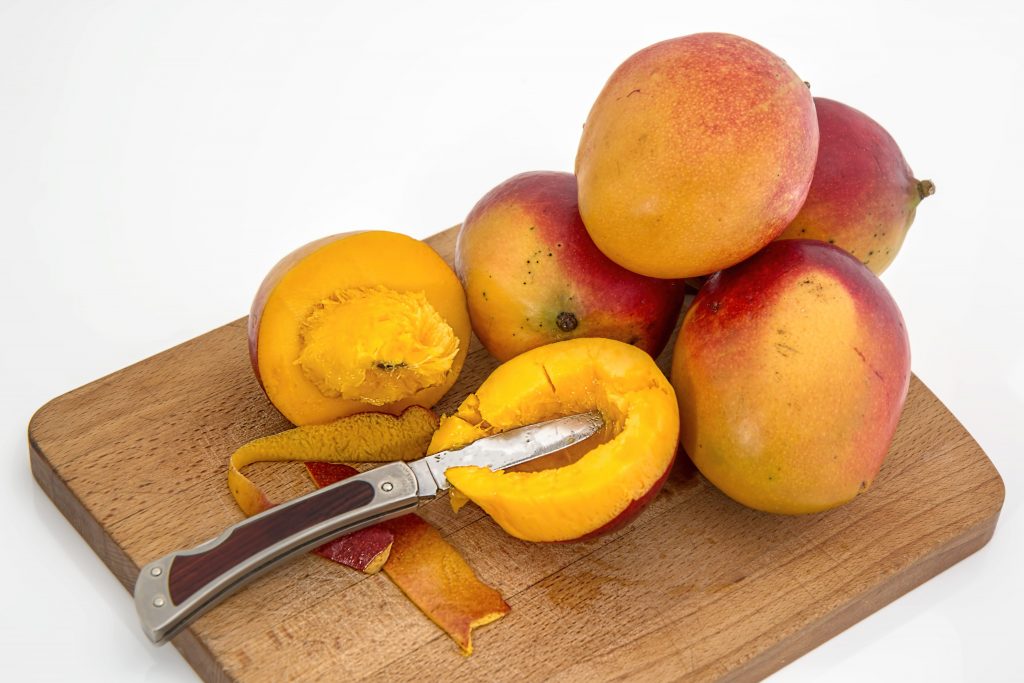
You may have even pondered, “Can dogs eat mango?” Tropical organic fruits like mango can make a delicious treat for your dog. Not all pieces of this fruit are alright for dogs to eat, however.

Continue reading this article to discover can dogs eat mangoes and how to feed mango to your dog safely.

Can Dogs Eat Mangoes, OR Is It Unsafe for Pets?

YES, dogs can eat this amazing fruit!

Until you just feed your dog mango flesh part and don’t give them to eat other pieces of this fruit (we’ll discover in this article, why), then mango is not rotten at all for your canine to eat.

Avoid Feeding Other Parts to Dogs: Why?

  • Pit and Peel:

The first and foremost thing you need to do before feeding mangoes to your dog is to remove the peel and pit from them.

Since it can conceivably block their digestive system, and also it has chemicals that can be fatal for pets.

Additionally, apart from expelling the mango pit, also ensure to peel off this tropical fruit before feeding them to your dog.

Peel of the mango is also harmful to the dog; it is likewise hard for a dog’s stomach to digest and could cause gastrointestinal blockages.

You ought to likewise try to expel any seeds inside this fruit before giving it to your dog since they can’t eat mango seeds, and they contain cyanide.

Cyanide is a poisonous substance for dogs and deadly for them.

Benefits of Feeding Mangoes to Dogs:

Mangoes are Vitamins Enriched:

A single mango can deliver you twice the recommended vitamin value a dog should consume in a day.

Dogs have the natural ability to self-produce Vitamin C, but as they grow, this tendency can go down so, mangoes are an excellent option for the old dogs.

Other than the unbelievable quantity of Vitamin C, mangoes really contain more than 20 distinct nutrients and minerals. That is a damn great contention for declaring this delicious fruit as a superfood (or rather super canine food).

The measure of cell reinforcements in mangoes will give each canine, youthful or old, an extraordinary lift in battling and anticipating degenerative infections and types of disease.

I would state mangoes are comparable to pineapples regarding hound medical advantages.

Mango Has a Healthy Effect on a Dog’s Eyesight:

Taking a look at the health benefits of mangoes, you may see that Vitamin A sticks out also.

A solitary mango contains an astounding 72% of our daily consumption of Vitamin A. Be that as it may, what precisely does this nutrient mean for your canine?

Devouring a lot of Vitamin A develops solid eyesight in your canine, which might be useful for declining vision as they age.

It likewise assists with dry eyes and Nyctalopia (otherwise called “night blindness”).

High Fibre Ratio Ensures a Healthy Heart:

Mango is a fibre-enriched fruit. It additionally adds to a stable stomach. Fibre, moreover, brings down cholesterol and blood pressure also. It will likewise battle against strokes, diabetes, and heart illness.

Mangoes will likewise assist your pooch with a solid heart and work on keeping up a good weight for them.

Antioxidants:

Mangoes are stuffed with loads of antioxidants that help to ward off illnesses, and they support the immune system.

The Ideal Way to Feed Mangoes to Dogs:

Though we have discovered, it is entirely safe to feed dogs mangoes. But, we need to be careful with the feeding procedure. There are specific considerations you should make, and they are an ideal way to feed this tropical fruit to dogs.

Wash First:

Before giving it to your dog, make sure to wash it first. There is a potential case of harmful substances’ presence on it. It might be sprayed, or toxic chemicals could be present on its skin, which is used to ripe fruit inboxes.

So, always ensure to wash mangoes first and then feed them to the dogs.

Make Small Slices:

One thing you need to make sure is to cut the mango in small slices or pieces. Don’t make a large slice and feed them. They may swallow it accidentally, and it can stick in the food duct or might become difficult to digest for the stomach.

Feed Them Fresh Mangoes:

Make sure to give your pooch fresh mangoes. These have the most supplements and guarantee that these fruits are natural.

Frozen mangoes do not have a proper amount of supplements, and this will make it undesirable for your pooch.

These likewise contain included sugar or contain a sugar syrup that may not generally concur with your pooch’s stomach.

Only Give Ripe Mango to Dogs:

A mango can weigh at a load of as much as two kilograms. The organic products which are commercially accessible are mostly smaller in the markets.

Contingent upon the development, the mash is confusing to extremely delicate. It may very well be stringy. This sort is level and vast and is encompassed by the paste.

The plate can be yellow, red, or green. A blend of all hues is additionally conceivable. Canine won’t have any infection!

Don’t Feed Them Much: Keep Moderation:

Like most things throughout everyday life, moderation is vital. Abstain from giving your canine such a large number of mangoes, as it can prompt a stomach upset and can cause diarrhoea.

Can Dogs Eat Mango? – Conclusion:

It’s ideal for giving your canine a few bits of mango a week as a treat. On the off chance that it’s your first time giving your canine mangoes, monitor them to ensure they are not allergic to these exotic fruits.

Pomsky – A Little Fluff-Ball (A.K.A. the Pomeranian Husky)

Pomsky

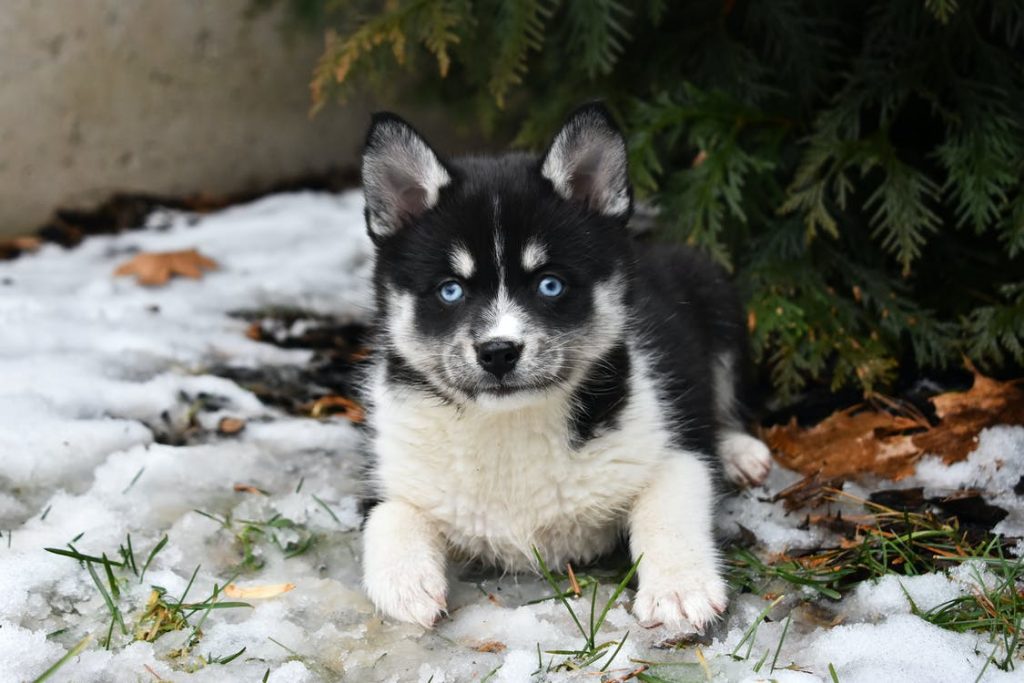
A marvellous and quite popular member of the designer dog campaign is a cross between Pomeranian and Siberian Husky. So a Pomsky possesses the charm of a Pomeranian and the personality of the Husky.

They become an instant hit, immediately after their breeding. Well, we agree who doesn’t want a pocket-size incredibly charming fluff ball in his home? If you are thinking about having this charmer in your home, here are a few significant facts you must be aware of.

We have crafted a guide for all the aspirant buyers of Pom Husky to get the vital information before adopting one.

  • Breed Family: Crossbreed
  • Height: 10-15 inches
  • Weight: 10-35 pounds
  • Colour: Cream, black, fawn, grey, brown, or white colour
  • Dog-Friendly: 4/5
  • Temperament: Active, funny, sweet, happy, mischievous
  • Activity Levels: Upwards of 45 mins per day
  • Needs for Grooming: Moderate
  • Life Span: 13-15 years

Pomeranian Husky Mix – Introduction:

As mentioned above, a Pomsky is a mixed breed obtained by crossing the Pomeranian with a Siberian Husky. Both the Pomeranian and the Husky belong to the Spitz family.

This beloved pet is considered a result of designer dog movement of the 80s, where breeders try to introduce various crossbreeds, including Cavachon, Morkie, Shorkie, Maltipoo, and many more.

Pomskies gain instant admiration and praise due to their teddy bear looks and fluffy personality. They are considered great companions for singles, couples, and also the families having older children. Why not the younger children?

Well, because the dog is too small and with younger children, they remain in constant danger of mishandling.

Pomsky Puppy:

Pomsky, also known as Pom Husky, Husky Pom, or Husky Pomeranian Mix, is extremely cute and naughty. They are at the forefront of mixed breeding and thus could cause high strain to your pocket.

This dog breed is the output of a Pomeranian father with the Husky mother. As there is a large size difference breeder, use artificial insemination methods for the breeding of Pom Husky.

The Pomsky cannot be obtained through natural methods, which is why they are highly expensive dog breeds in the market even though they have no pedigree from the American Kennel Club.

However, the admirers of the Pom Husky breed have made a club of their own for this adorable breed known as the Pomsky Club of America. And this club would be the right place to find the most suitable breeder for having a Husky Pomeranian Mix.

The Temperament of Pom Husky:

Pomskies are known for their friendly and gentle behaviour, but they tend to be extremely vocal. The vocal genes come in this little dog breed from both the mother and the father.

The Pomeranians are famous for being noisy pals, and if you combine the howls of the Husky, the output would be quite loud. So don’t go on the size of the dog, as it can be the loudest smallest pup in your living area.

Socialisation Requirements:

Alongside being the loudest little puppy, your pet would be an excellent prey chaser. Pomskies love to chase small things, including rats, birds, cats, and even dogs.

Pomsky needs socialisation training from a young age to make them acquainted with different people, things, and animals. If you skip the training part, your dog may become edgy, flappable, and nervous with an introduction to new things.

Pomskies are known for their bites to combat the unknown and threatening situations, and this might cause issues if you don’t train them not to bite the random strangers or dogs.

Husky Pomeranian Mix – Compatibility:

Pomskies are highly compatible with their families and would shower their love, loyalty, and devotion. However, you have to be careful if you have young children. The dog is a very delicate and small breed and is more prone to get hurt.

If you are thinking about having a Pomsky, it is highly prudent to train your children as to how to play with the pet.

Although Pomskies tend to be family dogs, they often choose their favourite person in the family and show utter devotion, loyalty, and love for that particular person.

However, excessive closeness and devotion may lead to separation anxiety and depression in your adorable pup if left alone for more extended periods. Once they develop separation anxiety, they could be the most challenging pet to handle.

The Sunshine Personality of Pomsky:

Pomskies are famous for their jolliness and loving nature, and that is what makes their personalities so admiring and charming. But beware, and don’t take their lovely and warm characters as innocent ones. This breed could be extremely mischievous and funny and show a rather stubborn sense of humour.

The Dog Breed Appearance:

Till now, we have admitted that Pomsky is not only cute and loving but also quite naughty, but do you know they can be confusing as well?

Husky Pom is a crossbreed, so you will never know which size they have when fully grown. The size of the dog depends on the parents’ genes that get domination. So why not make some predictions regarding your new pet with a bit of genetic knowledge.

Weight:

If the Pomsky is the first generation born, then its size could range from 15 to 25 lbs. Depending on the weight of the parents.

A Pom Husky who is ¾ Pomeranian and ¼ Husky will weigh between 10 to 15 lbs. but the dog that is ¾ Husky and ¼ Pomeranian the weight goes up to 30 to 35 pounds.

Size:

For the size, we use the same rule of genetics. However, an adult Pomeranian Husky Mix could be 10 to 15 inches taller. The first generation is considered to be more varied, yet, with the successive generations, the appearance of your beloved pup will get fixed.

The Husky Pom gets its eyes, coat, and colour from the Husky partner, and the cute face with a button nose and small structure comes from the little Pomeranian.

Overall, a Pomsky puppy would be an attractive, fluffy little cloud with an extremely fabulous curled tail.

Breed Color:

The dog colour could vary massively as it comes from their Husky parent. You may find the Pomsky puppies of cream, black, fawn, grey, brown, or white colour.

The coat colour of a baby dog will be similar to its parents, so if you are looking for a particular colour, choose the parent contributors carefully. Although there are always possibilities with the crossbreeding, the coat colour of Pomskies is generally similar to the parents.

Coat of Pomsky:

As mentioned above, the coat of Pomsky is contributed by the husky parent and thus contains all the properties of a Husky coat. They have a highly dense double layer.

The Pomskies are a high-shedding dog breed and are unbefitting for people having allergies. So, before making a purchase decision regarding this cute little munchkin, prepare your home and yourself for loads of shedding.

Pom Husky Grooming:

Due to the excessive shedding of Pom Husky, you have to provide them excellent grooming services daily. You might be needing two different brushes to brush the Husky Pom coat, including the pin brush and slicker brush.

You can use the pin brush for the removal of dead hairs from the Pomskies body while the slicker brush will assist in detangling the hairs.

Regular combing comes with dual benefits:

Your dog can maintain its beauty and cuteness with regular brushing and combing. But it will also create a special bond between the two. You can start combining training from a young age to make them familiar with the practice.

Along with combing practice, you have to bathe your adorable little pup regularly to keep their shining fluffy coat healthy and bright. The bathing can be done once in a month or maybe fortnightly if you Pomsky loves to play in the mud.

The clipping of the coat, combing, and bathing should be done regularly to keep the Pomsky beautiful, fluffy, and cute.

Guide For Nurturing Your Pomsky:

This dog breed requires proper training, care, and nurturing for a healthy lifestyle. They are quite intelligent and love to learn new things. But your little Pomsky is also a naughty little pal, who loves to tease. So with their cheeky, mischievous nature, they got the smart brains to give you a good run.

This fluff-ball requires consistent training along with treats and perks for successful results. Social training is a must when it comes to Pomskies to make them familiar with the notion of meeting strangers and other animals.

The size of the dog is tiny, which makes them vulnerable to get hurt with slight mishandling. That is why we don’t recommend having a Pomsky while having young children.

Husky Pom – Diet Requirements:

Pomskies require a proper diet plan with regular exercise to keep them healthy and fine. Pomskies are more prone to dental issues due to their small faces.

It is prudent to give your Pomsky puppy dry dog food instead of a wet one to avoid dental issues. If you are wondering as to which dog food would be suitable for your lovely pet, then let us assist you.

One of the most recommended dry foods for the small breed dogs, especially Pom Husky, is Kibble. You can have a pack from any pet store or grocery store with the pet food section.

While purchasing the food for your pet, always ensure the protein source of that food is written on the back of the food package.

Choose the higher protein source for your dog, including chicken, salmon, or a duck. Your Pomsky may require 2 cups to 2 ½ cups of food, but that entirely depends on the size.

You can split the daily dietary requirements into two meals to supply them with excellent dietary options in a healthy manner.

Exercise Requirements:

Although the Pomskies are a small size dog breed that does not kick out the need for regular exercise, if you are thinking of adopting this dog breed, then you should be available for their regular exercise routine.

Pomsky is a very active breed and loves to walk, play, or run. Ideally, a Pom Husky requires 45 mins of exercise daily, which can be split into short walks across the day.

Pomskies love to swim, but they require supervision while playing in the water. So if you are thinking about taking your dog near the water source, make sure you have the flotation kit with you.

If you find it difficult for you to take out your dog on a walk daily due to a busy schedule, you can build a fenced area in the garden for your Husky Pomeranian Mix to play.

To ensure the healthy and normal upbringing of your pet, regular walk, exercise, and playtime are a must. You can also opt for mind games along with physical ones to give your proper canine training.

There are a variety of mind games you can play with your Pomsky, including the obstacle run. Let your canine decide as to how to cross the obstacle. You can build the barriers across your home with household items.

Along with all the playing and mental training, your pup requires regular walk and exercise that cannot be compromised.

Pomsky Training Requirements:

Pomsky is the cute fluff ball that can make your life full of love, but beware this breed has a reputation of having a mischievous streak in them. So no matter how cute and adorable your Pomeranian Husky Mix pet might be, you have to abstain from the poor behaviour.

All you need is to train them for acceptable behaviour and do that with high consistency. If your Husky Pom is determined to test your patience, then it is prudent to leave the training for some other time when they are in the mood to learn.

According to dog experts, Pomskies can be quite prompt learners but only when they want to.

You can also imply positive reinforcement practices to convince your Pomsky for consistent training.

The Health of a Pomsky:

As compared to other crossbreeds, Pomskies are known to be less effective by the genetic reshuffling. One of the most significant health issues they have to face is Patellar Luxation. This health concern is widespread in small breed dogs.

If you do have a Patellar luxation, his knee joint will extend improperly due to incorrect formation. If you find your Pomsky suffering with Patellar luxation, you can opt for pain management therapy. But in rather severe cases, the dog has to undergo knee surgery.

Along with Patellar luxation, Pomskies are also prone to allergies, such as Dermatitis. If your dog is suffering from Dermatitis may require medicated shampoo for bathing. Dermatitis has a particular trigger; it could be anything that will trigger the sensor.

Another highly common medical issue found in the crossbreeds, especially the pocket size versions, is a dental problem. The smaller breeds tend to have smaller faces and thus more chances of food getting stuck inside the mouth.

To prevent dental problems, maintain a regular and thorough dental cleaning routine. Try to avoid the sticking of bacteria on the teeth forming the hard layer to damage the teeth by proper cleaning and hygiene routine.

In Pomskies, tracheal collapse is a known issue. If you want to take your Pomsky out for a walk, use a harness instead of a collar. The pressure is directly applied to the dog neck, which may lead to tracheal collapse.

The Lifespan of a Pom Husky:

Your precious little canine may live up to 13 to 15 years of age if proper exercise and diet routine is maintained. The longevity of the age entirely depends on the nurture, care, and healthcare facilities available to the Pomsky.

If you want to make sure your Pom Husky lives a long healthy life, try to feed him with the best available food. Take him out for a walk or exercise regularly. Do not forget to schedule the vet appointment after regular intervals to ensure everything is fine.

Pomeranian Husky Mix – Summary:

Pomeranian Husky Mix could be the bright light in your life with their happy, loving, and devoted nature. But they can be a gigantic pain if you ignore them.

Due to their ultra-devoted nature, they may experience separation anxiety. So if you are single, then make sufficient arrangements to avoid leaving your Husky Pom alone for an extended period.

Pomskies are ideal for large families with older children, singles, or couples. As far as families with young children are concerned, they don’t fit the perfect environment for a Pomsky. As young children might mishandle and hurt the little Pomsky.

Bring down this little fluffy cloud in your home, but first, make suitable arrangements for the loud vocals they inherit from their parents. But you can train them regarding their being vocal, but that would require consistency.

Pay special attention to their mental and physical training and wellbeing to keep them active and smart.

A proper training session will establish their social habits and make them familiar with meeting strangers and other animals.

So are you going to buy a Pomsky or do you already have one? If you have one, do let us know what your experience with your pet is? But you are going to buy one, then choose your breeder carefully.

Do check for the parents of your Pomsky to ensure the temperament, size, weight, and medical history.

Best Dog Life Jackets 2020 (Updated)

Best dog life jacket - My Puppy Story

Best Dog Life Jackets 2020: The Ultimate [Buying] Guide

Dog Life Jacket

Me: “I’m sorry, you said what?!”
Friend: repeatsDog Life Jacket
Me: *lets out a giggle*
Friend: *gives me a puzzled look*
Me: “Wait, you’re serious?!”

That was my reaction when I first learned about doggie life jackets. It seemed like a needless product—“Dogs can swim just fine,” I thought to myself.

I was wrong. Even more so, because an estimated 5,000 pets (dogs constituting a substantial percentage) drown in swimming pools annually and the tally is increasing. This figure balloons when it includes pet drowning in other water bodies, such as lakes, rivers et cetera.

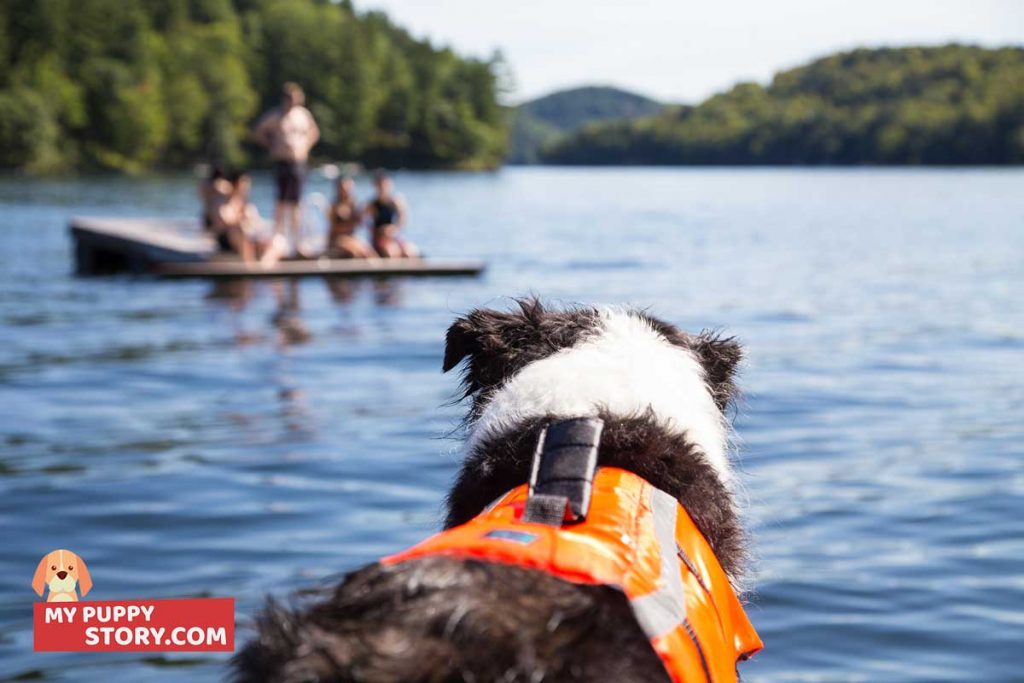
It is amazing to have your dog join in the fun when you take trips to the lake, pool, beach, or engage in fun water activities, like boating, kayaking, canoeing, or rafting; rather than leaving him at home or with a pet sitter. But as you gather relevant equipment, wears, and safety gear for yourself (and other members of your family or friends), ensure that you aren’t missing a vital piece of gear to keep Fido safe.

This gear is the dog life jacket or personal flotation device (PFD). It goes by other names that are open compound words derived from any word in three word groups—[dog/doggie/canine], [life/flotation/swim], and [jacket/vest/device/preserver]—in that order. For example, other synonyms are doggie swim vest, canine life preserver, dog flotation device et cetera.

The dangers are profound and it is your duty as a safety-conscious pet owner to have a canine life jacket on your pup when he is in or around bodies of water. A quality flotation device would also provide buoyancy that would minimize fatigue, which translates to longer water fun moments for you and your dog.

JUMP TO TOP 7 Best Dog Life Jackets

Dog Life Jacket

Why Life Jackets Are An Absolute Necessity for Dogs

Every dog lover knows that most dogs are good swimmers. There is a reason why dog paddle is the name of a swimming style. But there are several dog breeds that do poorly in water—brachycephalic dogs, dachshunds, maltese, basset hounds are some of the better known breeds. Also in this category are dogs with low body fat such as greyhounds, older dogs, and dogs with mobility or health issues.

Certainly, you do not want your dog to be unprotected from water hazards if he is unequipped to swim for natural (heavy heads and chests, short legs, or ageing) or unnatural (health or mobility issues) reasons. Especially if he is a big fan of water as many dogs are.

And while this is obvious, there is a case to be made to outfit the good swimmers as well with PFDs. One reason for this is the unpredictability of dog behavior (and sometimes, predictable behavior in the case of swimming addicts that you typically have to drag off the water shivering and exhausted). Another is the unpredictability of nature—a stream that may appear calm on the surface may very well have an undercurrent that would be too strong for your dog to swim against.

Underestimating the combination of these two is taking an unnecessary risk.

An even more compelling reason rests on the basic tenet of safety—being prepared for worst-case scenarios. Your dog may fall into the water accidentally, struggle to swim or get tired while swimming, not have the option of swimming to land in the event of a disaster, or may be incapacitated due to an accident such as receiving a blow to the head.

In any of these (and many other) scenarios, the best chances of survival for your dog is a life jacket that keeps him afloat with zero effort on his part, has bright colors for easier identification, and has a resilient handle to make the task of pulling your dog out of the water easier. A canine swim jacket would prevent drowning as well as reduce anxiety, disorientation, and exhaustion from your dog, especially in the event of a serious water/maritime accident when any able person would give priority to human rescue.

But: Before we proceed to discuss how to get a quality canine flotation device and the top choices available, we need to make an important distinction.

Dog Life Jacket

Dog Life Vests vs Dog Life Jackets: How They Differ

You’d be forgiven to think they are synonyms. On the surface, they appear to serve the same purpose—keep your dog afloat. However, they have simple differences that are not necessarily microscopic. Compared to a life jacket, the life vest is

  • smaller,
  • easier to remove, and
  • mainly covers the front of your dog’s body

Essentially, a dog life jacket is the beefier, more restrictive, and expectedly, more expensive flotation device of the two. Which is interestingly similar to the difference between traditional jackets and vests (waistcoats) in formal wear.

The dog life vest has its peculiar uses. It is most suitable:

  • for use in less turbulent bodies of water, such as a swimming pool
  • to provide a sense of security to an uneasy pup when you first introduce him to water

For virtually every other scenario, a life jacket is the recommended choice. As the minor amount of buoyancy as well as fewer snaps and buckles make canine life vests unsuitable for use in and around bodies of water that are more turbulent. Sure, life jackets take more time to put on and take off, but the better buoyancy, better coverage of your dog’s body, brighter (and often reflective) coloring, more robust handles, and more buckles and snaps are far more important plus features.

Introducing a dog to water

There are dogs like the Golden Retrievers and Labradors that have unreserved love for water and would be the ideal pooch pets for Poseidon. And there are others on the opposite end of the spectrum like Chihuahuas and Yorkshire Terriers that shy away from anything larger than a bowl of water.

If you enjoy water activities, you’d definitely want to share the fun experience with your dog, which would present an immediate challenge if your dog just doesn’t share your water interests. All hope is not lost however, as lots of dog owners have consistently been able to get their water-shy Fidos to loosen up. The deal is to make small efforts gently and slowly work your way up.

You should begin to get your dog accustomed to wearing a life vest when venturing into a body of water, by making him comfortable in a life vest at home. Then you should introduce your dog to water with a wading pool that has a gentle, calm water movement that does not raise the anxiety of your dog. You want your dog’s first life vest and water experience to be pleasant. A couple of pleasant experiences in a calm setting would be the primer to moving on to bigger and less calm bodies of water such as the beach.

Dog Life Jacket

Important Considerations to Make When Buying a Dog Life Jacket

Buoyancy

This is undoubtedly the top factor to consider. After all, the primary purpose of a doggie flotation jacket is to keep your dog afloat with as little or no effort contributed by the dog. Without optimal level of buoyancy, your dog gets to expend energy to stay afloat, which is undesirable.

Most canine life jackets would have flotation padding at the key parts—under the belly, surrounding back, and sides. However, a preferable buy should also have flotation in the neck and chest areas to help keep your dog’s head above the water.

Bright Color and Reflective Strips

This isn’t purely about aesthetics. The practicality of having a canine swim jacket with bright color is that it improves visibility of your dog both during safe, fun times and in the event of an accident.

If your dog is in the water having a merry time while others in boats and jet skis are having fun as well, a bright colored doggie life device stands out clearly to make it easier for these people to avoid unintended contact.

Furthermore, should the worst happen, the improved visibility would help search and rescue efforts, especially when there isn’t much sunlight. Several top-quality PFD manufacturers go the extra mile to outfit their premium products with bright reflective strips that further improves visibility considerably.

Handles

The purpose of this feature is glaring. Any decent dog flotation jacket should have at least one strong handle. A doggie life jacket with two handles is ideal for larger and heavier dogs. Handles make it much easier to pull your dog out of the water, especially when he may be scared and uncooperative to your commands by frantically flailing, wriggling, and moving bundles that can be difficult to maneuver.
Make certain that the handle is sturdy.

High-Quality Material/Durability

I believe I speak for most dog owners when I say a dog life jacket shouldn’t be a regular purchase like a grocery. It isn’t so much about money savings as it is about a quality product holding its own in the event of an emergency. Set your sights on doggie swim devices with rip resistant high-density material that can sustain extended strain, numerous tugging and strapping, and function effectively in all weather conditions.

Size, Fit, and Adjustability

Dogs have several sizes and life jacket manufacturers accordingly offer products in different sizes. The sizes vary between manufacturers, so you want to get the right measurements of your dog.

To purchase the best PFD fit, get your dog’s:

  • weight
  • length (measurement of the back from base of the head to base of the tail)
  • neck measurement
  • girth measurement (of the ribcage behind the front legs)

After you get these measurements, compare them to list of measurements provided by the manufacturer (most products have them) and choose the closest.

The dog life jacket you purchase should be adjustable and you should be able to outfit your dog by:

  • Sliding the vest over the neck
  • Closing the straps and buckles around the neck, chest, and belly
  • Ensuring that your dog has wiggle room when closing the straps and buckles so it is not too tight (you should preferably be able to slide your fingers between your dog’s body and each strap)

Fitting your dog snugly but not too tightly is very important so they do not slip out of the jacket.

Top 7 Dog Life Jackets Reviews

1. Ruffwear K-9 Float Coat(Best Premium Life Jacket)

Product overview

The Ruffwear K-9 Float Coatis the Mercedes of dog life jackets. It is elegant, stylish, expertly built, and its reputation precedes it. Despite holding the crown as the priciest premium PFD on the market, at the time of writing, it had the best review rating on Amazon.

This is no coincidence.

The K-9 Float Coat uses abrasion-resistant materials complemented by strategically placed cell foam panels and water-compatible webbing that guarantees optimal buoyancy, stability, comfort, and durability.

The K-9 has a light loop to which you can attach The Beacon (it is a bright LED light manufactured by Ruffwear) designed to improve visibility in low-lighting conditions.

For the build quality and ease of mind you get for using the Ruffwear K-9 Float Coat, the price is justifiable. If you are looking for the absolute best dog swim device for your dog, and you aren’t on a tight budget, look no further.

Major selling points

  • Exquisite material and build quality; it’ll serve you (and your pooch) dutifully for years to come
  • Very sturdy handle for easy lifting
  • Extra flotation added beneath the dog’s belly; for excellent buoyancy
  • Reflective trim to improve visibility
  • Wide, telescoping neck closure to keep your dog’s head well above water; it also adjusts and fits to several neck positions
  • ITW Nexus Airloc sheltered buckles keeps straps unexposed to prevent potential snagging
  • Complete range of sizes from XX-Small to X-Large
  • Bright colorsBlue Atoll, Dandelion Yellow, Red Currant, Sockeye Red, and Wave Orange; newer colors made available regularly

Why we recommend it

The quality of the material got to us with the extra flotation, immense build, and sheltered buckles and straps. That trumped the competition. It also lived up to its premium tag with reflective trim, strong handle, and adjustable neck closure.

The support for several sizes and provision for more color options were the icing on the cake.

A few downsides to note

This is a near-perfect product and it’s incredibly difficult to find something to pick on. The jacket is worth every penny of the price tag and the simple handle is large enough and strategically positioned to be adequate for pulling large dogs.


2. Kyjen Outward Hound Ripstop(Best Bang for Buck Dog Life Jacket)

Product overview

If for some reason the Ruffwear Float Coat is above your budget, then the Outward Hound Ripstop, now called the Outward Hound Granby Splash, is your perfect bet.

Kyjen is the leader in travel and outdoor gear for dogs, so they have the experience and wherewithal to develop a premium PFD with an affordable price tag.

Although they make compromises in the material quality, flotation pads, and use of exposed straps; they more than make up for it with effective buoyancy, multiple reflective strips, and the Outward Hound signature feature—double handles.

And dog owners all around appreciate the balance and value making the Granby Splash unarguably the most popular canine swim jacket on the market.

At the time of writing, it is the #1 Bestselling dog life jacket on Amazon. It is without question a premium doggie life jacket on a budget.

Major selling points

  • Top quality buoyancy with sufficient belly padding
  • Strong straps and quick-release buckles; that are easily adjustable to help attain desired fit
  • Signature double handle design; to make rescue much easier and distributes pressure exerted by the straps on your dog
  • Front neck float; to keep your dog’s head above water
  • Multiple reflective strips
  • Complete range of sizes from XX-Small to X-Large
  • Bright colors—Fun Fish,Orange, and Pink

Other products in the Outward Hound series are the

  • Dawson Swim, which offers better buoyancy and foam neoprene side panels to naturally insulate your dog and keep him warm while he swim for longer endurance; and
  • Standley Sport, designed for top-performance dogs and ideal for experience swimmers with its unique sternum design, mesh bellyband for water drainage, and rugged build for frequent use

Both have the series’ signature double handle design, although in different orientations.

Why we recommend it

We’d tell you in one sentence: It is a complete package at a price you can’t ignore.

A few downsides to note

With the K-9, it was hard to pick out something to thumb down, with the Ripstop, it is hard to complain about anything when it is abundantly clear that it is a bargain.


3. Paws Aboard Neoprene (Best Dog Life Jacket under $50)

Product overview

The Neoprene is Fido Pets Product flagship dog life jacket in its PAWS Aboard series. It’s got decent flotation on the side, back, and neck; heavy-duty velcro straps complemented by quick-release buckles to make certain your dog never slips out; and a sturdy handle.

It is well built with the right kind of fabric, as such the Neoprene would be a lasting purchase. Like the flagship and more expensive Outward Hound Standley Sport, the Paws Aboard Neoprene has an advanced breathable mesh bellyband for proper draining, drying, and additional comfort.

In addition, its dual reflective strips, stylish design, and affordable price tag reiterate the fact that you can’t go wrong by purchasing the Neoprene.

Major selling points

  • Terrific build; that is both elegant and durable
  • Decent flotation on sides and back
  • Adjustable straps and buckles; to get desired and secure fit
  • Advanced breathable underbelly mesh offers more comfort and prevent exhaustion & chaffing
  • Neck float; to keep your dog’s head above water and strong handle; for quick and easy grabbing
  • Dual reflective strips; for improved visibility
  • Complete range of sizes from XX-Small to X-Large
  • Bright colors—Red,Yellow, Blue and Yellow, Blue Polka Dots, and Pink Polka Dots

Why we recommend it

The Paws Aboard Neoprene checks all the boxes of a premium life jacket at a reasonable price point. It appears to justify its marginal higher price over the Ripstop by providing more room in the neck, which is good news if your dog has bulky shoulders or thick neck.

A few downsides to note

The only significant con is its flotation, which is decent but could be better. In FPP’s defense, the price tag prohibits including extra flotation.

However, the Neoprene is the flagship product from FPP (aptly studded with top-of-the line features like classy design and breathable underbelly mesh), outfitting it with maximum flotation, and say, double handles would have aced its feature list, even though it’d mean a higher price tag.

The Paws Aboard line already has the Double Designer model to offer great value at a bargain.

That said, as far as premium packages go, the Neoprene is a terrific buy. If maximum flotation is a big deal for you then you’d have to up your budget and go for the Ruffwear K-9 Float Coat.


4. Kurgo Surf n Turf Dog Life Jacket(Best Multipurpose Dog Life Jacket)

Product overview

The Surf n Turf is Kurgo’s only life jacket in the market, and it occupies a unique, lofty spot of offering lots of value even if it isn’t as cheap as the Ripstop.

For starters, the Kurgo Surf n Turf bears strong semblance to the Ruffwear K-9 Float and although its material and build quality doesn’t measure up to the K-9, it holds up all right with rugged ripstop polyester material to stay firm in the premium category. Buoyancy is top-notch and it ticks all the right premium boxes too.

Reflective trim and high-contrast color, double metal D-rings for connecting leashes, neck padding, and adjustable straps and buckles for desired fit.

However, the Surf n Turf isn’t just another run-off-the-mill jacket in the premium category, it packs some serious unique punch.

  • The first is its 3-in-1 functionality, which are as a life vest, rain (waterproof) coat, or a 3-season shell jacket. To convert it to a waterproof jacket, you only have to remove the flotation layer.

This layer isn’t just removable, you could very well beef it up to provide extra warmth, especially during colder seasons. The perfect product to use is the Kurgo Wander Coat, which fits well because this is one of its dual purposes.

  • Another is a feature reserved for the most expensive model in the Kyjen Outward Hound line (the Standley Sport)—transverse double handles in opposing orientations.

It is an arguably better implementation than the Ruffwear K-9 sturdy single handle, and certainly better than the double handles with same orientation on the Kyjen Ripstop and Dawson Swim jackets.

  • Then there is the feature that is a testament to true American service delivery—no-hassle lifetime warranty against manufacturer defects. This feature is rare in the canine flotation device segment.

Major selling points

  • Decent design, build quality, and buoyancy
  • Adjustable straps and buckles
  • Best transverse double handles; for extraction
  • Neck float
  • Reflective trim
  • Versatility as a 3-in-1 dog jacket
  • Lifetime warranty
  • Near complete range of sizes from X-Small to X-Large
  • Bright colors—Red/Red and Red/Grey

Why we recommend it

It is no surprise that the features that set the Surf n Turf apart from the competition endeared it to our hearts—the versatility, double handles, and lifetime warranty aren’t gimmicks.

Beyond its unique offerings, it is a very capable doggie life jacket with the right mix of rugged materials for durability, bright color accents and reflective trim, and quick-release buckles for secure fit.

A few downsides to note

You must be wondering why the Surf n Turf isn’t higher up in this year’s ranking if it is so great. Well, it has a few quirks that need Kurgo’s attention.

  • Top on the list is the underbelly nylon covering that could use more padding. The argument of unique features isn’t convincing when the cheapest jacket on the list has better padding.

It doesn’t have a belly Velcro fastening system either found on the more expensive Ruffwear K-9 and cheaper Paws Aboard Neoprene.

  • The second is a con it shares with the Paws Aboard Neoprene—non-optimal flotation. This time however, it is understandable as the life jacket is a hybrid meant for multiple uses.

Therefore, if your dog would be using the jacket mostly in shallow, calm waters, then you needn’t worry about the buoyancy. If you’d be taking your dog to deeper, rougher waters, then you’d have to go for the Ruffwear K-9.

  • It also lacks the XX-small, size which would be a deal breaker for owners with very small dogs.

In summary, the Kurgo Surf n Turf does come close to snatching the crown from the Ruffwear K-9, but fell short on select features that shouldn’t be lacking on a dog life jacket hoping to reinvigorate the market with innovation.

That said, the Surf n Turf is a really nice package once you look past the few omissions that may not be deal breakers to majority of dog owners, and probably had to be made for the product to be competitively priced with its unique offerings.


5. EzyDog Doggy Flotation Device

Product overview

EzyDog has a reputation in the dog gear industry that can only be honed by unbridled, consistent quality service delivery. Its PFD rides on this outstanding reputation and delivers strongly.

From the front end of the neck float to the back end of the back float, the EzyDog Doggy Flotation Devicescreams exceptional quality, a unique design, as it is an epitome of what a premium life jacket should be.

EzyDog did not bet on the popular designs of the Ruffwear K-9 or the Outward Hound Ripstop, rather it offers a design refresh that is as unique as it is stylish. It isn’t perfect, nor does it take the crown from the K-9 Float Coat, but it is befitting for a top-dollar canine swim jacket.

If the design came close to the mark, the build quality aced it. With 50% more flotation material evenly distributed and superior durable construction, only the Ruffwear can match its amazing buoyancy.

Even better, the dual handles on this jacket are integrated in an elegant way to foreclose the possibility of ripping off. Adjustable neoprene straps and quick-release buckles keep your dog secured and the jacket is fitted with highly reflective strips for greater visibility and improved nighttime safety.

Major selling points

  • Exquisite design and build quality; that is easy to clean and long-lasting
  • Off the charts buoyancy
  • Fully adjustable neoprene straps and quick-release buckles; give perfect fit
  • Very sturdy, integrated dual handles; make extracting your dog a breeze
  • Reflective trim
  • Neck float
  • Complete range of sizes from XX-Small to X-Large
  • Bright colors—Green Camo, Red, and Yellow

Why we recommend it

The build quality of the EzyDog Doggy Flotation Device is phenomenal bringing very obvious buoyancy and durability benefits that only the more expensive Ruffwear K-9 Float Coat can rival.

You do not have to stay on your toes when you are heading out to deeper, rougher waters with your dog; nor do you have to be concerned about its weight and the jacket not holding up at a crucial moment. This tough jacket is built to last, give your dog optimal comfort, and give you maximum peace of mind.

A few downsides to note

The EzyDog Doggy Flotation Device offers top-quality from front to back and while this is a point in its favor for astute crafting, it does have a downside. It keeps the dog straight in water, which counteracts the ability of the neck float to keep the dog’s head above water.

The Ruffwear avoids this by having a smaller footprint, and the Outward Hound Ripstop avoids this by using less flotation at the rear end and an additional flap on the neck float. Both options allow the dog’s rear to sink a tad lower to place the dog at an angle in water for better head positioning.

A way around this is to tighten the rear underbelly strap & buckle less than the front underbelly strap & buckle.

That said, EzyDog should have gone the extra mile to include a strap in the neck float, and could have made the buckles sheltered/hidden to be in direct competition to the Ruffwear K-9 Float Coat.

Nonetheless, if you want the Ruffwear K-9 Float Coat (you do not want to make a compromise on quality, buoyancy, and durability) at a lower price and are willing to forego both features and slightly better design, then the EzyDog DFD is your obvious choice.


6. Paws Aboard Double Designer

Product overview

The Double Designer is Fido Pets Product entry-level dog life jacket. It is in direct competition with the Outward Hound Ripstop and is a five-star alternative to the Ripstop.

The idea is simple—a canine swim jacket that covers the essentials in a premium product offered at an affordable price, and the execution is perfect. Unsurprisingly, the product has been a hit with buyers rolling over it (it has the second largest number of positive reviews on Amazon after the Ripstop).

The Double Designer has a similar design to the Ripstop with an extended back padding, Velcro fastening/buckle neck float, and dual side buckles for a secure fit. There are subtle differences though, such as the extended lip on the neck float of the Ripstop, coloring scheme, and the signature double handles on the Ripstop.

None of these differences offers huge functionality or performance improvements however, as the neck float on the Double Designer offers similar top quality buoyancy to keep your dog’s head above water, and the single handle on the DD is large enough for you to use two hands for easier extraction.

The Double Designer however has an outstanding feature—advanced underbelly mesh for quicker draining of water and extra comfort; it is found only on flagship products such as the Paws Aboard Neoprene and Outward Hound Standley Sport. It isn’t a make or break feature, but it does justify why the Ripstop is marginally cheaper (a few dollars) than the Paws Aboard Double Designer.

Major selling points

  • Terrific buoyancy with neck float
  • Sturdy heavy-duty straps and adjustable buckles
  • Large, strong handle; for easy lifting
  • Exquisite advanced breathable underbelly mesh
  • Product exchange process is a breeze; should you make the mistake of ordering an incorrect size
  • Reflective strips
  • Complete range of sizes from XX-Small to X-Large
  • Bright colors—Nautical, Neon Yellow, Blue Polka Dot, and Pink Polka Dot

Why we recommend it

We recommend the DD for the same reason that we recommend the Kyjen Outward Hound Ripstop (Granby Splash). It is a complete package at an amazing price point.

If you are a big fan of Paws Aboard line of products, the Double Designer is an obvious choice for buyers on economy drive. Furthermore, if you can increase your budget slightly above the price point of the Ripstop, then you should get the Double Designer for its underbelly mesh that’d enable your dog stay longer in water.

A few downsides to note

Like the Ripstop, the DD is so affordable it’s hard to pick on something to rant about. Fido Pets Product has improved on the build quality over the years after receiving reports of a few defective models having durability issues, especially with larger, heavier dogs.

That said the Double Designer enjoys raving reviews from owners and we heartily recommend it.


7. Vivaglory Dog Life Jacket

Product overview

The Vivaglory Dog Life Jacket has very similar design to the Paws Aboard Double Designer, like really close. It has same shape, same color scheme, same Velcro/buckle combinations and location, and a single handle.

However, the Vivaglory has a sturdier handle, extra flotation, and more color variations. The Double Designer and Ripstop are better bargains, but the Vivaglory is a premium life jacket in its own right that’s worth every penny.

Major selling points

  • Decent buoyancy
  • Quality Velcro straps and buckles
  • Sturdy handle
  • Reflective strips
  • Near complete range of sizes—X-Small, Small, Medium, and X-Large
  • Bright colors—Blue, Green, Light Green, Orange, Pink, and Yellow

Why we recommend it

Aside the fact that it satisfies our basic requirements as a premium life jacket, the Vivaglory has extra flotation and a sturdy handle, which are desirable.

A few downsides to note

Quite frankly, compared to higher-ranked dog life jackets, the Vivaglory falls short on a number of counts, especially the lack of XX-Small and Large sizes (at the time of writing), that it shouldn’t have considering its price tag.

Nonetheless, all things considered, it is a satisfying buy.

Vivaglory has a second product—the New Sports Style Ripstop—with a smaller footprint that is similar to the Ruffwear K-9. It is nowhere near the same quality, but it occupies almost same price point as the traditional Vivaglory with same features, so you may want to consider it before making a purchase.

Dog life Jacket  Dog Life Jacket

Top 8 large Dog Breeds That Are Good with Cats

Dog love cats

Breeds that are good with cats

1. Newfoundland

Dog love cats

Cats and dogs can make great companions, especially when larger breed dogs are treated with the extra care and attention they need. The Newfoundland is an especially gentle giant that tends to get along well with cats. With patience and supervision, cats and dogs can become wonderful friends.

Big Boy with an Even Bigger Heart:

Don’t let his massive size fool you, this big guy is just an enormous softy. Newfoundlands, despite their intimidating size, generally get along with most creatures, especially those that are smaller than them (so, the majority!). He is more likely to become a friend, and fierce protector to his new feline friend, than to hurt him.

This large breed would make the purr-fect kitty-cat companion. They are friendly, loyal, protective, and surprisingly gentle. They have the perfect disposition for a multi-pet household. Though your Newfoundland’s size may be intimidating, he has no intention of causing harm. With the right training and supervision, your furry friends will soon become firmly bonded. Patience and understanding are key in helping them form a strong friendship that will last for many years.


2. Golden Retriever

Dog love cats

The Golden Retriever is especially good with cats. This dog breed is smart, social, and lovable, and with time, patience, and a few tricks ,your Golden Retriever and cat will get along in not time. For example, when introducing the dog, use a leash and be sure he knows some basic commands like sit, stay, and come. Also, exercise him before the meeting. This will get rid of excess energy and make him more calm and relaxed when meeting your cat.

You won’t want to leave your Golden Retriever and cat alone at first. It could go bad either way. Your dog could get a little too nosy and your cat takes a good swipe at his face. There’s many scenarios that could happen when a new dog and cat are left unattended, so it’s best to place barriers between them. Over time, however, these two will be the best of furry friends and you won’t have to worry about leaving them together. They’ll love each other’s company.

By using proper training techniques, you can expect your dog and cat to bond quickly, especially if the Golden Retriever is a puppy or has already been socialized around cats. As for your cat, she may take some time warming up to this new furry friend, which she may see as a threat. Cats hate change!

Final Verdict: Yes! Golden Retrievers are good with cats.


3. German Shepherd

Dog love cats

Despite their sharp intellect, German Shepherds may struggle to differentiate between play and prey when it comes to cats. With patience and training, these intelligent pups can learn to recognize their instincts and enjoy the companionship of cats without any trouble.

However, there is good news. Start socializing a German Shepherd with cats and kittens early on and he will grow up to be great around cats. It’s up to you to give your puppy the proper training he needs to know how to behave around cats. Some tips to help your dog overcome his instincts include:

  • Feeding your puppy in close proximity to your cat can help form a strong bond between the two. Start by keeping each animal behind a closed door and on a leash, and gradually bring them side-by-side – with patience, they will become best friends forever!
  • Train your German Shepherd with the essential commands of ‘sit’, ‘stay’, and ‘leave it’ before introducing them to your cat – it will be a great help in keeping both animals safe and secure!

Final Verdict: German shepherds are good with cats if you can socialize them young and help them overcome their prey chasing instincts.


4. Collie

Dog love cats

When considering if a collie is the right fit for your home, it’s important to consider some may have an instinctive urge to chase cats. Luckily, many collies are very well suited for homes with cats and can make wonderful companions!

The Collie was genetically bred to herd. They’ll herd sheep, cattle, small children – and, yes, cats. If you have a particularly obsessive Collie, she may follow your cat around the house, herding him, chasing him, always keeping him in her sight. This can be stressful for an independent cat – and what cat isn’t independent?

Depending on the individual characteristics of your dog, it typically takes some time and training to introduce a collie and cat. It’s important to build trust and familiarity between the two animals before leaving them alone together. With patience and guidance, you can help foster a wonderful friendship between your collie and cat!

Final Verdict: Collies make excellent companions for other dogs and cats! While some may have strong prey drives, their loving and kind natures typically make them great playmates. With the right guidance, your collie’s natural instincts can be managed to ensure they get along with all the animals in your home.


5. Labrador Retriever

Dog love cats

Labradors make great companions for cats and can be easily trained to get along with felines. Though there are some cases where Labs might not be as friendly with cats, each dog is unique and their behavior is affected by various factors like temperament, training, and more! With patience, care, and understanding, you can help ensure that your Labradors and cats live happily together.

Though cats and dogs are often seen as natural enemies, Labs and cats can actually make great friends! With the right training and guidance, these playful pups can learn to get along wonderfully with their feline pals. Whether they’re playing together or cuddling up for a cozy nap, your Lab and cat can be the best of friends.

When introducing a Labrador Retriever and a cat, it’s important to take is slow. The animals will need to works some things out on their own at first – like boundaries. In the beginning, don’t leave the cat and dog alone. Wait until you’re certain their friendship is solid.

Training your Labrador Retriever to get along can be done in a relatively short amount of time, as long as you have the right attitude and provide the necessary guidance for both your cat and dog. Be sure to do your research and remain patient throughout the process; with the right approach, your bond will grow stronger with each passing day!

Final Verdict: The Labrador Retriever is a good choice of breed to have with cats.


6. Shetland Sheepdog

Dog love cats

The Shetland Sheepdog, otherwise known as shelties, is a breed that enjoys herding activities – but this trait doesn’t have to get in the way of their relationship with cats. Your feline friend will naturally establish dominance over your pup; although, with a little patience and guidance, they’re sure to become best buddies in no time!

This beautiful breed is gentle, playful, intelligent, easy to train, and will quickly adapt to sharing a home with a cat when properly trained. As with most breeds, it’s best to introduce the  Shetland Sheepdog to cats when he is still a puppy. This will guarantee a great relationship with almost all cats (some kitties will not cooperate no matter what).

To ensure a smooth first introduction between your sheltie and cat, keep the sheltie on a leash with a “way out” for the cat in case things get too overwhelming. It’s important to not leave the two together unsupervised at first; rather, you can let the cat roam free while keeping the dog kenneled or vice versa to help them get used to each other. With careful guidance, your furry friends will soon be snuggling together!

Eventually, you will fee confident enough to leave them alone. and the sheltie will be grateful for the company – he get’s bored easily, It shouldn’t long for the two to become fast, furry friends.

Final Verdict: Yes! The Shetland Sheepdog is good with cats.


7. English Setter

Dog love cats

The English Setter is a highly intelligent, active breed known for their superior memories and extraordinary sense of smell – perfect for bird-hunters. Not only are they gentle, loyal companions but they get along great with cats. Although the English Setter requires plenty of exercise to stay calm in the home, your feline friend won’t be taking them on any walks! All in all, this breed is a great choice for busy, active families or individuals.

It’s safe to leave a cat alone with an English Setter, as they lack a prey instinct and get along with almost everyone. The breed quickly forms bonds with felines, so it should be nearly instantaneous for the English Setter and cat to become friends – though how long it takes for the individual cat may depend on its own personality.

Final Verdict: Yes! The English Setter is a good with cats.


8. Bernese Mountain Dogs

Dog love cats

Bred in Switzerland, Bernese Mountain Dogs have a long history as farm dogs. They pulled milk carts, acted as watchdogs, and herded cattle – all while retaining their unique characteristics: big, fluffy, and gentle personalities. This breed is known for staying young at heart for up to four years, providing them with plenty of energy and playfulness. The Bernese Mountain Dog is an amicable breed that gets along well with other dogs, strangers, kids, and cats.

Whether your Bernese Mountain Dog will get along with your cat depends upon his prior socialization, which should begin when he’s a puppy. It’s the same for the cat. If you’re introducing a kitten, she will probably just want to play, but an older cat should have some socialization with dogs to get the best results.

Tip: Start training your Bernese Mountain Dog right away as they become more difficult to control later on. Also, these dogs do not respond to harsh training. You must be as gentle and loving as them.

Final Verdict: Yes! The Bernese Mountain dog is good with cats.


Tricks to Help Your Cat and Dog to Get Along

Being an animal lover is often a very rewarding experience, as it’s a lot of fun and provides plenty of love. However, when you start combining the animals that reside with you in your home, you may find yourself with a bit of an issue. Plenty of people have struggled with getting a dog and cat to get along in the past, and while it may seem near impossible, it’s not impossible at all. But how does one go about getting their dog and cat to get along better? There are a few steps you can take to try and improve the relationship between your dog and cat, such as:

Prepare For Introduction 

When welcoming a new pet into the home, taking proactive steps to facilitate harmony between your dog and cat is key. Prep the area by providing a safe space for both animals to escape to and removing any stressors, like other people or loud noises. The introduction process should be comfortable and relaxed, giving each animal plenty of time to become acquainted with the other and offering an exit plan if either gets overwhelmed.

Reinforce Positive Interaction 

As your dog and cat begin to explore each other, it’s a great idea to reinforce this positive behavior with treats or kind words. You may offer praise and treats, as well as physical touch to encourage the animals to continue the good behavior. Much like training your pet to do anything else, sometimes you need to train them to get along as well.

Bringing a pet into your home is an exciting experience that requires patience and understanding. Give the two animals time to adjust by keeping them separated in their own areas until they are ready to meet. This allows them to become familiar with the sights, sounds, and smells before having to be around one another face-to-face. When they’re ready, gently guide each animal through the introduction process at their own pace, without rushing or forcing anything.

Introduce Scents

During this period of separation, it may be wise to introduce an article or object that smells like the other animal into each habitat or area. For example, place a t-shirt in each animal’s area, and switch the shirt location after a day or so. This will allow the animal to become more familiar with the smell and presence of the other animal, without them actually being there quite yet. Animals rely widely on their sense of smell, so introducing scent is crucial.

Let The Cat Lead 

It’s wise to let the cat decide when a meeting will take place. Wait until the cat seems content and calm before introducing the dog to the environment. This will allow the cat to be more receptive to the dog’s greeting and may make or break a meeting, especially since cats may become more temperamental when threatened. Dogs are also easier to train and may follow commands to back down when cats cannot.

25 House Plants which are Poisonous to Dogs

Name: Aloe Vera

The Danger Of Aloe Plants Around Pet Dogs

Also known as aloe vera, this common houseplant is part of the Liliaceae family. To humans, it can help soothe minor burns and skin irritation but is toxic when eaten by pet dogs. Oftentimes causing an excess buildup of mucus and water in their colon. Thus, resulting in bouts of vomiting and loose bowel movements. In some rare cases, a canine can also become lethargic and have body tremors as well.

Saponins and anthraquinones are toxic qualities of aloe when ingested in large amounts. Aloe has a mild to moderate toxicity level and should remain out-of-reach from both dogs and cats.

Poison Symptoms:

Should you notice your dog drooling a lot or having bouts of diarrhea, proceed to the nearest vet right away.


Name: Kafir Lily

The Hazard Of Having Kafir Lily Plants Around Pet Dogs

Known for its amazing flowers, the Kafir Lily is a common plant in the Amaryllidaceae family. Found throughout parts of Swaziland and Southern Africa, this lily contains toxic chemicals. Dogs cannot resist them and find the plant to be very appetizing. But, when ingested may cause mild to severe illness.

Kafir Lily bulbs are the most poisonous and should not be in gardens with canines nearby. Its high concentration of alkaloids can cause gastric upset, diarrhea, and vomiting. Some other milder symptoms include excessive drool and heart arrhythmia. In rare cases, there have been reports of seizures, convulsions, and tremors as well.

Poison Symptoms:

It’s important to get your dog to their veterinarian at the first sign of Kafir Lily ingestion. If they’ve stomach pain or lose bowels, take them immediately to a pet care specialist.


Name: Desert Rose

The Hazard Of Keeping Desert Rose Plants Around Dogs

Otherwise known as Adenium Obesum, the Desert Rose is a common decorative houseplant. Though beautiful in appearance has a thick milk-like sap that’s especially toxic to a dog. When broken off or chewed, the plant oozes poisonous chemicals known as glycosides. Thus, resulting in vomiting, loss of appetite, depression, heart problems, and potential death.

Dogs may also experience stomach pain, excessive drool, mouth/throat blisters. If this should occur, put on protective gloves and proceed to wash any sap from his/her fur. Then immediately take them to the nearest 24-hour veterinary clinic. But, to avoid this altogether, place plants at a height inaccessible to dogs.

Poison Symptoms:

If you find your dog to be throwing up or having a difficult time chewing/eating, contact the closest vet office.


Name: Dieffenbachia

The Importance Of Having Dieffenbachia Plants Away From Dogs

Native to Argentina, and Mexico, Dieffenbachia is a popular tropical species of plant. Also known as the (Mother-In-Law’s Tongue), these members of the Araceae family are very toxic to dogs. Their bright green and yellow leaves make the plant an attractive addition to most homes. Yet, contain poisonous enzymes that can cause canines serious pain and suffering.

When chewed upon, the Dieffenbachia releases crystals into the mouth. Resulting in them embedding into a dog’s mouth. Affecting his/her tongue, mouth, and throat, causing irritating blisters to develop. Some other symptoms include trouble breathing and eating, vomiting, and diarrhea.

Poison Symptoms:

If your dog has uncontrollable bouts of wheezing or paws at his/her snout, have them seen by a vet right away. By doing so, you’ll ensure the wellbeing of your pet and help prevent an unnecessary tragic event.


Name: Hedera Helix

The Importance Of Keeping Dogs Away From Poisonous English Ivy

Hedera Helix, otherwise known as English Ivy is a common houseplant that grows at quick rates. The toxins within leaves of this native European plant may cause dogs to have severe pain. Usually leading to gastrointestinal problems along with swelling and irritation of their mouth.

The English Ivy is best suited for households without children or pets. But, for those with this beautiful yet harmful foliage, make sure to place it at a high area that’s out of their reach.

Poison Symptoms:

If you see your dog with an excessive amount of drool or having difficulty eating, take them to the vet ASAP. He/she can experience symptoms two weeks after eating and ingesting English Ivy.


Name: Golden Pothos

The Risk Of Golden Pothos & Pet Dogs

Also known as, Devil’s Ivy, the Golden Pothos has waxy leaves that are poisonous to dogs. Due to their low-maintenance, it’s a popular plant found in many households. Identified by the green and yellow leaves, this member of the Araceae family is toxic to dogs. Causing them to develop respiratory problems in cases of severe Golden Pothos intoxication.

Yet, with immediate medical attention, a dog usually recovers well without any side-effects. Some symptoms include mouth and eye irritation, vomiting, and foaming at the mouth.

Poison Symptoms:

If left untreated, Pothos can create urinary problems and/or calcium oxalate crystalluria. Should you witness your furry friend pawing at his/her mouth or chewing on the plant, get them to a vet immediately. This will prevent them from going through unnecessary pain and suffering.


Name: Gardenia

Why Gardenias Are Not Good Plants For Dog Owners

Gardenias are popular plants that thrive both indoors and outside in flower gardens. Yet, they’re very poisonous to dogs and are unsafe to have around the house. Its berries have the largest amount of toxins and are the most dangerous part of a gardenia plant.

This member of the Rubiaceae family can cause serious illness and even death in dogs. Some clinical signs include mild bouts of vomiting, diarrhea, and hive breakouts. Dogs with severe reactions tend to experience gastric problems as well. If a dog should ingest Gardenia plant of blossoms, take them to the vet for IV treatments. Ensuring his/her health and wellbeing.

Poison Symptoms:

Should your dog show signs like hives on the skin, loose bowels, or vomiting, go to a veterinarian right away.


Name: Bird Of Paradise

Why Your Dog’s Health Is At Risk From Bird Of Paradise

A popular plant which many find attractive, the Bird Of Paradise is beautiful but deadly. Especially to dogs and other pets. Their pod-like fruit excretes a toxic chemical that can lead to serious illness or even death.

The Bird Of Paradise’s natural habitat is in the jungles of New Guinea and parts of Australia. From the Leguminosae family, these plants interact with a canine’s system within minutes. When ingested it induces symptoms such as vomiting, elevated heart rate, and tremors. Every of this plant is poisonous from blossom to roots, thus should remain away from pets.

Poison Symptoms

If your dog experiences mouth irritation, diarrhea, or vomiting, get them to the vet right away. Immediate attention at the first sign of ingestion or contact with this plant can save a dog’s life.


Name: Flamingo Flower

Part: Any Part

Toxicity to Pets:  The Flamingo Flower is highly toxic to dogs, even if it looks as lovely as a pink flamingo. The toxicity of the plant has to do with calcium oxalate crystals, which the plant uses as its own defense mechanism. Typically, if a dog starts chewing on this plant, he’ll stop because the crystals cause pain. However, if he doesn’t stop eating the plant and ingests it, the result can be fatal. Your dog will experience intense pain, paw at the mouth and have difficulty breathing (which is really scary). Keep in mind that it only takes one bite of this plant to induce horrible symptoms. It’s important to get your pet veterinary help immediately if they bit or swallow any part of the Flamingo Flower.


Name: Alocasia

Part: Any part, especially the leaves

Toxicity to Pets: Fatal if not treated immediately. If your dog eats any part of this plant, the first symptom is a swollen airway, making it difficult for your dog to breath. It’s imperative you seek medical help right away. Other symptoms include pawing at the face, vomiting, drooling, loss of appetite, watery eyes, and whining. Your dog can also get poisoned by the Alocasia plant by simply touching it or getting it in their eye. Though not considered fatal, you should still take your dog to a local emergency veterinary clinic. It’s best not to keep this plant in the house or on your property if you have a dog or friends who bring their dog over for a visit from time-to-time.


Name: Arrowhead Plant

Part: All parts of the plant

Toxicity to Pets: You’ll typically find Arrowhead Plants as house plants, however, they grow outdoors in areas of Florida, Texas, and Hawaii. This plant is highly toxic to your dog and should be avoided at all costs. It’s a vine plant with white and cream markings. Like other poisonous plants on this list, the Arrowhead Plant contains insoluble calcium oxalate crystals that cause severe pain for your dog if he chews or swallows any part of the plant. Symptoms your dog will most likely exhibit if he comes in contact with the Arrowhead Plant include dilated eyes, cardiac arrhythmia, difficulty swallowing, drooling, swelling of lips and mouth, and more. As you can see, this plant is deadly and proper care will be needed right away for your dog.


Name: Calla Lily

Part: Any part

Toxicity to Pets: Beautiful, yet deadly. That’s the Calla Lily plant. Many people, especially those living in warmer climates, love this plant because of the beautiful variety of flowers it produces: orange, green, purple, pink, blue, and more. However, placing these plants in your home or around your property is dangerous if you have a dog. If eaten by your furry friend, symptoms that occur include: vomiting, irritation in the mouth and on the lips and tongue, drooling, and difficulty swallowing. If you have Calla Lily’s in your home, give them away to someone without any pets. In the meantime, keep your dog far away from this poisonous plant.


Name: ZZ Plant

Part: All parts

Toxicity to Pets: Also known as the Zamioculcas plant, the ZZ plant, which has a nicer ring to it, is a popular house plant popping up in houses across the United States. The ZZ plant is low-maintenance, and even those with a black thumb will find it impossible to kill. Just try going on vacation for a couple of weeks. When you get back, it’ll still be there to greet you. However, this laid-back plant is toxic to dogs. Since the entire plant is poisonous, keep it away from pets. And if you handle it, be sure to wash your hands before snuggling up with your pooch. If your dog does get into this plant, symptoms he will exhibit include vomiting and diarrhea. Be sure to get him to the vet ASAP.


Name: Dracaena Fragrans

Part: Leaves

Toxicity to Pets: This attractive houseplant is toxic to your dog. When he chews on the leaves of the Dracaena Fragrans or ingests them, a chemical compound called saponin reacts as a defense mechanism for the plant. For your dog, however, this chemical is poisonous. The symptoms exhibited from eating the Dracaena Fragrans includes depression, loss of appetite, drolling, fatigue, diarrhea, and vomiting – sometimes with blood. It’s best to keep this plant out of the house and off your property. Prevention is always the best rather than having your dog get sick, and you wind up with a hefty veterinan bill.


Name: Cyclamen

Part: Any part of the plant

Toxicity to Pets: Also known as the Persian violet or Sowbread, the Cyclamen is a beautiful houseplant you can pick up at your local grocery store. However, this plant is also poisonous to dogs. The entire plant is toxic, but the roots and tubers are especially so. It doesn’t matter whether your dog just chews the plant or ingests it, he will suffer from the toxic effects. Signs to look for include vomiting, diarrhea, and drooling. More severe symptoms include seizures, cardiac problems, and death. Next time you go to buy a houseplant, be sure this one is NOT on the list.


Name: Kalanchoe

Part: All

Toxicity to Pets: This gorgeous plant is easy to grow, easy to keep alive, and produces white, yellow, pink, and salmon flowers. While the Kalanchoe is a beautiful and popular houseplant, especially for those who don’t have the greenest of thumbs, it is also poisonous to dogs. The entire plant, including the flowers, are toxic. Within a few hours of ingesting part of the Kalanchoe plant, your dog will exhibit symptoms such as abdominal pain, diarrhea, and drooling The more your dog eats, the worse the symptoms, such as cardiac arrest. Keep in mind that symptoms may not show up right away, so if you suspect your dog has ingested part of the Kalanchoe plant, get help right away.


Name: Ficus Benjamina

Part: Leaves and stem

Toxicity to Pets: This common house plant is also known as the rubber plant and has about 850 species within its group. The plant originates in the east and is sometimes referred to as a fig. As a tropical plant, it thrives in warm weather, but is also toxic to dogs. The leaves of the plant contain a sap that irritates your dogs mouth if eaten. However, the stems are also toxic. When eaten, your dog will show signs of vomiting, drooling, abdominal pain, mouth pain, and more. If your dog comes into contact with this plant, he will need veterinary help immediately.


Name: Geranium

Part: Any part

Toxicity to Pets: While it’s impossible to protect your dog from every plant species in the world, you can control what plants are in and around your property. One of the plants you want to avoid is the geranium. This plant is completely toxic to your dog because of the chemical linalool and the alcohol geraniol. The Geranium is 100 percent toxic to your dog, so if they eat any part, it could be deadly. Symptoms include skin inflammation, depression, loss of appetite, and vomiting. If you suspect your dog has chewed on or swallowed any part of the Geranium, seek veterinary help right away.


Name: Peace Lily (Spathiphyllum)

Part: Any part

Toxicity to Pets: The peace lily is a gorgeous flower that adorns many homes in the United States, but don’t let that fool you. This plant is toxic for your dog no matter what part they eat. And it’s also toxic to humans. The Peace Lily contains a defense mechanism made up of calcium oxalate crystals that cause intense pain when the plant is bitten or ingested. Common symptoms include vomiting, excessive drooling, burning inside the mouth, and difficulty swallowing. Immediate veterinary help is required if a dog gets into this plant. Keep in mind that it doesn’t matter if he just chews it and stops or ingests it, he will still be poisoned.


Name: Eucalyptus

Eucalyptus Leaves are primarily dangerous, but the the plant is unsafe for canine consumption. Oils are unsafe for exposure to the skin, and in some cases eucalyptus is unsafe to smell for dogs as well

When ingested a dog may experience one or more of several symptoms; vomiting, diarrhea, weakness, redness or rash, swelling or itching, abdominal pain, depression, salivation, and in cases where large measures are eaten, even seizures

If a dog does not like the smell of the eucalyptus then it may show some behaviors such as; sneezing, pawing at their nose, tail tucked, wrinkling their nose, spinning, and pacing.

If eucalyptus oil has touched the exposed skin of your canine, wash it gently under warm water as soon as possible. If eucalyptus is ingested, save the wrapper of the product, or information on the plant to give to the vet so they may determine amount consumed and treatment plan.


Name: Flame Lily (Gloriosa Lily, Glory Lily, Climbing Lily, Superb Lily)

Part: The entire plant is dangerous to dogs when it is consumed or touches their skin.

Toxicity to Pets: With its eye-catching beauty and nice scent, it is an easy target for dogs. However, when it’s consumed by dogs one or more of these terrible things may happen; Stomach cramps, weakness, bloody diarrhea, heavy breathing, seizures, bloody vomiting, salivating, difficulty catching breath, shock, kidney damage due to lack of moisture retention, organ collapse, liver damage, bone marrow collapse, dehydration, and above all else, even death may occur. If the plant rubs against the dogs skin it can cause rash and irritation.

It is vital to keep this plant away from your dog and if you suspect it has been ingested, seek immediate help.


Name: Cycas Revoluta

Commonly known as Sago Palm, Cycas Revoluta is a tropical plant that contains Cycasin, which is highly toxic to pets. Cycasin which is found in the leaves of the plant can damage the digestive tract of your pet and cause severe liver damage and even liver failure. This could lead to serious injury or death.

Native to Japan, this plant makes a beautiful houseplant for those who do not have pets. The plant can also be grown outdoors and is often found in botanical gardens. Other common names that are associated with Cycas Revoluta include Coontie Palm, Cardboard Palm, and Zamias.

Poison Symptoms:

If you notice your dog or cat vomiting it may be a sign that they have ingested the plant. Also, bruising, rectal bleeding and increased thirst are serious warning signs. You should quickly get your pet to the veterinarian as soon as possible.


Name: Schefflera Arboricola

Commonly referred to as the “Umbrella Tree”, Schefflera is a plant that contains insoluble calcium oxalate, which can be severely damaging to the gastrointestinal tract and mouth. It can cause painful swelling in pets.

Native to Taiwan, the tree comes from the Araliaceae plant. The plant is also native to Hainan. From the Ginseng family, it is easy to grow and makes for a good choice for a family that doesn’t have dogs. This is also common with other household pets, like felines. Be careful to protect your pets as exposure can be painstaking.

Poison Symptoms:

If you notice your pet drooling, choking or difficulty swallowing (dysphagia); you should seek emergency care from your veterinarian or poison control. They can show signs up to two weeks after ingesting the plant.


Name: Jade

Part of the Crassulaceae family, Jade grows throughout areas of South Africa. This popular low-maintenance plant’s rubbery oval-shaped leaves which dogs find irresistible. Yet, they are very poisonous, causing severe health problems including an irregular heartbeat. Many cases of Jade plant ingestion are quite mild but can lead to serious illness if left untreated.

Common symptoms include lethargy, vomiting, weakness of limbs, and muscle impairment. In some rare instances, there have been reports of convulsions and a drop in blood pressure.

Poison Symptoms:

Jade is toxic to dogs and if he/she comes into contact with the plant they need immediate medical attention. Should your pooch become irritable or have trouble holding down food, do not wait and take them to a vet right away.


Name: Cycas Revoluta

Commonly known as Sago Palm, Cycas Revoluta is a tropical plant that contains Cycasin, which is highly toxic to pets. Cycasin which is found in the leaves of the plant can damage the digestive tract of your pet and cause severe liver damage and even liver failure. This could lead to serious injury or death.

Native to Japan, this plant makes a beautiful houseplant for those who do not have pets. The plant can also be grown outdoors and is often found in botanical gardens. Other common names that are associated with Cycas Revoluta include Coontie Palm, Cardboard Palm, and Zamias.

Poison Symptoms:

If you notice your dog or cat vomiting it may be a sign that they have ingested the plant. Also, bruising, rectal bleeding and increased thirst are serious warning signs. You should quickly get your pet to the veterinarian as soon as possible.