Italian Greyhound

mypuppystory.com

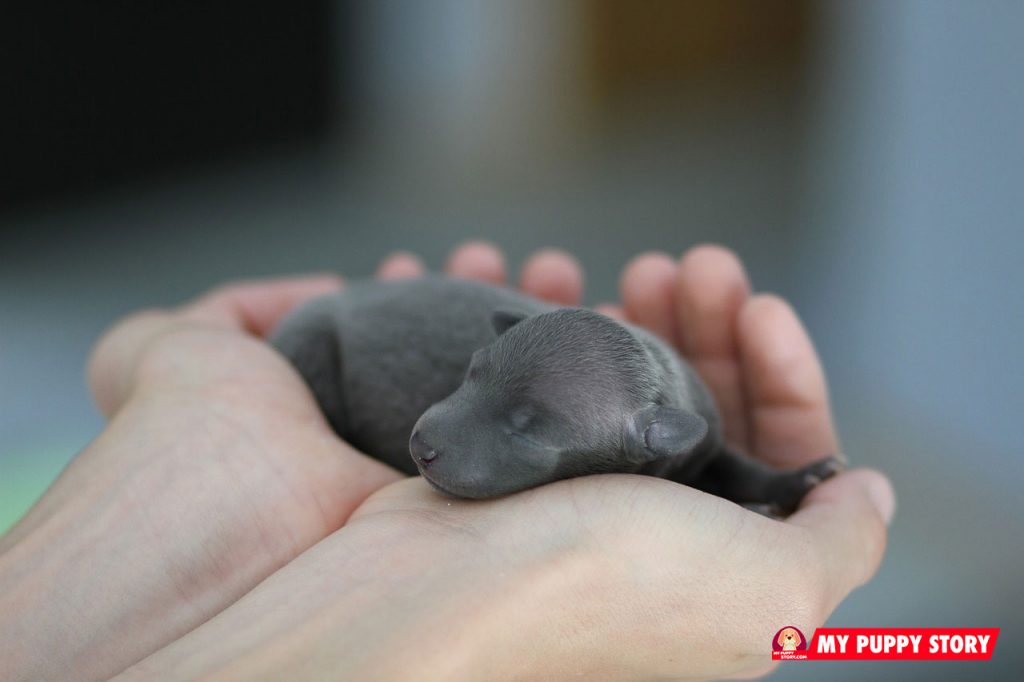
Italian Greyhounds, who are relatives of Greyhounds, are an old breed — it is believed that they originated in the Mediterranean approximately 2000 years ago. During the Renaissance period, the dog became very popular among Italian nobleman, hence the breed’s name Italian Greyhound. These perky, affectionate dogs, may originally have been bred for both companionship and hunting purposes.

Italian Greyhounds: Description

Italian Greyhounds are small gazehounds — dogs that hunt by sight, rather than by scent. Classified by the American Kennel Club (AKC) in to the Toy Group, Italian Greyhounds are generally between 13 to 15 inches tall up to their shoulder, and weigh between seven and 15 pounds. They are very slender, graceful dogs, who in spite of a dainty appearance, are hardy and healthy, living on average between 12 and 15 years. These dogs have short, silky, odorless coats that can be almost any color. Because they tend to be quiet, not yappy, Italian Greyhounds may not make the best watch dogs.

Italian Greyhounds: Temperament

While Italian Greyhounds can be at times a little quirky, they are sweet, wonderful pets. Italian Greyhounds are tender, affectionate animals who adore their owner, and immensely enjoy receiving love back from their immediate human family members. While they thrive when near their owners, they tend to be reserved around strangers. Playful and mischievous, Italian Greyhounds sometimes enjoy perching themselves on high places, such as dining room and kitchen tables.

Because their hair is short, and their stature is skinny, Italian Greyhounds are sensitive to chilly weather. It is very difficult to get them to go outside in the wind, rain or cold. During inclement weather, they prefer to do their business inside, so it is recommended to train them to use a litter box. Conversely, Italian Greyhounds love warmth. They enjoy lying outside in the sun and snuggling under bed covers with their owner.

Italian Greyhounds: Exercise and Grooming Requirements

Italian Greyhounds have short, shiny, silky coats that shed very little; they are, therefore, very easy to groom. These dogs require only occasional brushing with a soft bristle brush. Bathing the dogs can be done by mixing a 1/2 cup distilled white vinegar with 1 quart of warm water and gently wiping the mixture onto their coats with a sponge. Because these dogs are prone to periodontal disease, it’s extremely important to brush their teeth daily and to have annual or semiannual dental cleanings, by a veterinarian.

Italian Greyhounds are active dogs who need to be walked daily. They also enjoy running and playing inside the house. Because these dogs are gazehounds, whose instinct is to hunt and run quickly, they need a fenced-in yard and supervision. Puppies in particular need to be watched because they are fragile and can be susceptible to breaking their bones.

Where to Get Italian Greyhounds

The Italian Greyhound Club of America (IGCA) has a rescue service for abused, abandoned or owner surrendered dogs. This is one of several organizations where Italian Greyhounds, just waiting for a forever home can be found. Petfinder.com lists thousands of abandoned or rescued dogs, including Italian Greyhounds, being held at various rescue organizations and shelters

When purchasing an Italian Greyhound from a breeder, it’s a good idea to do extensive research about the breeder in advance. There are numerous breeders from which to choose an Italian Greyhound. The time dedicated to locating a good breeder will be well worth the potential heartache and cost resulting from an unhealthy dog.

What to Consider When Adopting a Golden Retriever Puppy

mypuppystory.com
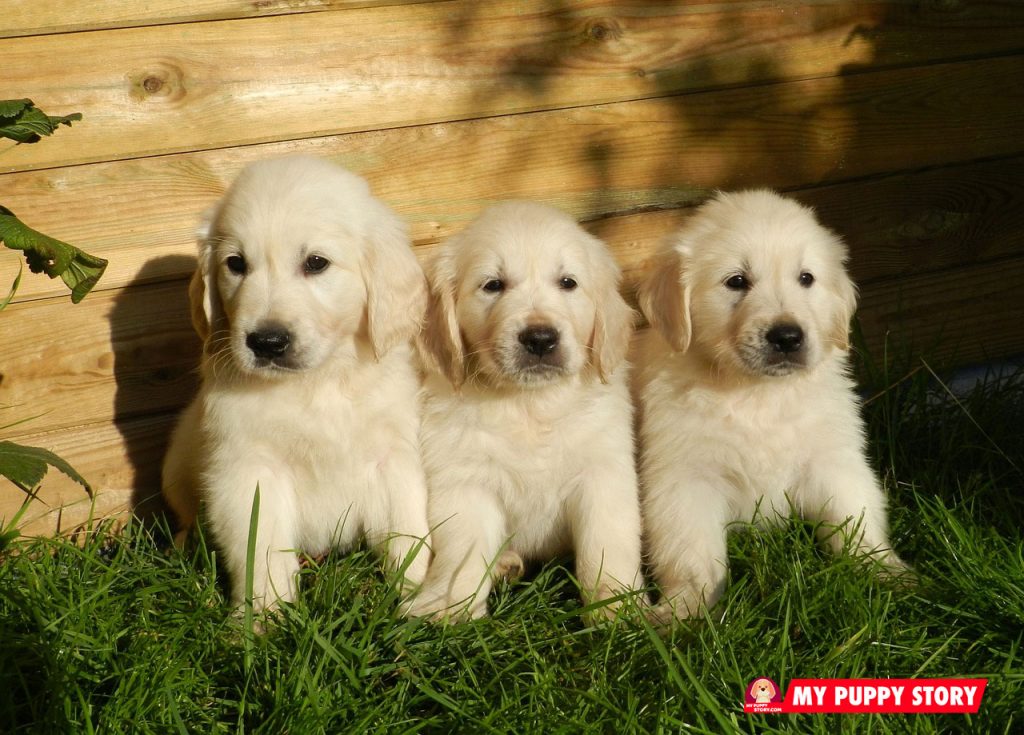
Doing thorough research is an essential part of the adoption process when considering a Golden Retriever puppy, just like any other pup. While many know that they are lovable, gentle and loyal dogs who get along great with children, there are some important details to consider when deciding on welcoming a golden retriever pup into your family. After all, those friendly neighbors and dog walkers may not be aware of the full extent of what comes with golden retriever ownership.

Life with a Golden Retriever Puppy

Golden retrievers are high energy working dogs, and they are young for a very long time; about four or five years. One golden retriever owner found this out too late, because she didn’t do her research:

Diane, a lonely apartment dweller, decided to adopt a puppy. She’d seen and heard what wonderful pets golden retrievers make. Whenever Diane saw a golden retriever assistance dog, it was quietly sitting next to its owner in the library, or doctors office. She decided a golden retriever puppy was for her so she looked in the classifieds and found one for sale by a backyard breeder. Since she lived in an apartment, she bought the runt of the litter, a blond female cutie she named Sugar. On the way home, Diane bought lots of toys for her new puppy.

Soon, Diane discovered the joys of golden retriever puppies and their abundance of energy that kept them playing from sunrise to sunset. From running and jumping – even on people – to fetch and tug-of-war, these playful pups provided endless entertainment. As Diane’s seventy-pound pup jumped around, she was reminded that this breed may not be the most suitable for her lifestyle; but regardless, she could not help but appreciate their lively personalities and enthusiasm for life.

Things to Consider when Adopting a Golden Retriever Puppy

  • Golden retrievers are working dogs and need to be working all the time.
  • Golden retrievers are high energy dogs.
  • Golden retrievers are very social dogs and want to be with people all the time.
  • Golden retrievers need lots of exercise.
  • Golden retrievers need to start obedience training as soon as possible.
  • Golden retriever puppies will be in the puppy stage for a very long time.
  • Golden retrievers do not become calm until they grow out of the puppy stage.

Golden Retrievers as Apartment Dogs

Despite their size, Golden Retrievers can make great apartment dogs when given the proper environment. Taking them to the local dog park twice a day allows these beloved pups to get the exercise they need while also providing opportunities for socializing with other doggos. This lifestyle may require extra effort from stay-at-home parents or retirees, but it’s still possible. Alternatively, adopting an older golden retriever could be another great option for those living in apartments.

Golden Retriever Puppies – the Ideal Living Environment

A loving home with school-age children and a large backyard makes the perfect setting for a golden retriever. They become an integral part of the family, taking part in any activity that they can! Whether that’s camping, playing soccer, or curling up on the couch to watch some TV – these canine companions seek out companionship from their owners and are always looking for ways to be involved. Even if their owner is single or retired, golden retrievers can still make great pets. All it takes is some obedience training so the pup can understand basic commands, regular socialization with other dogs and people, and plenty of stimulation. With all that in mind, a golden retriever can be an incredibly calming presence in any home.

Rottweiler

mypuppystory.com

Getting a Rottweiler: Traits and Characteristics of the Rottweiler Breed

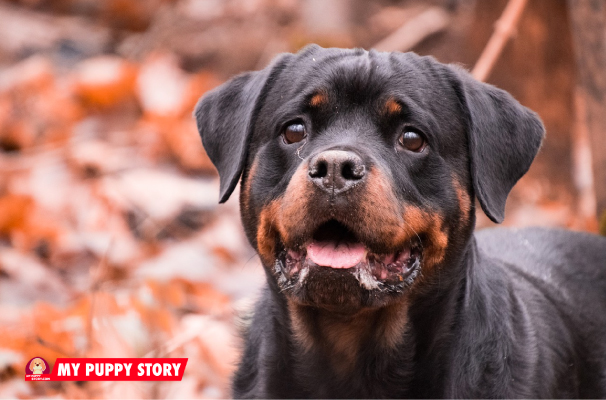
If there is one thing to remember about the Rottweiler breed, it is that the Rottweiler is a powerful working dog (originally bred to herd cattle) with a strong prey-drive. As such, the Rottweiler will want to chase things that move (like cats, or even children!). Because of that, this breed is not for wimps!

Training a Rottweiler

The Rottweiler will require a firm (but loving) hand in training. Those who are reluctant to discipline a pup, or don’t want to assert their natural supremacy as pack leader, should probably steer clear of Rottweiler ownership altogether. Anything less than total vigilance when it comes to training can result in a dog that is prone to aggressive (and potentially dangerous) behavior.

Rottweilers and Aggression

While there are no doubt countless examples of perfectly docile Rottweilers, it should be noted that the Rottweiler is a dog that is known f(and bred) for aggression. During the first year or two, it will be a daily battle to reign in the pup’s natural sense of aggression, and assert the owner’s dominance. With lots of work though, it is perfectly reasonable to expect the Rottweiler to mature into a calm and reliable companion.

Rottweilers and Children

As prey-driven animals, Rottweilers and children are not a natural mix. Children are fast and unpredictable, and as such, can often appear as prey to the Rottweiler. This is not bad intent on the dog’s part – just the natural result of breeding and instinct in this powerful working breed. It would be wise to keep the following things in mind when it comes to Rottweilers and kids:

  • Socialize the Rottweiler around children, even if there will be no children in the home. Take the puppy to parks and other places where children play.
  • Get the dog used to the way children move and the sound of their voices. Be firm with the puppy – there should be no gray areas when it comes to the safety of a child.
  • Do not leave the Rottweiler alone with a small child. Animals are unpredictable, and children can provoke an animal even when they are just playing with it.

Public Perception of the Rottweiler

The reality is, many people will react with fear to the Rottweiler. They will assume the dog is dangerous, even when the animal is perfectly gentle. Before purchasing a Rottweiler, people should ask themselves how they plan on handling the often negative reactions the dog will elicit. Know ahead of time that people will often have less tolerance for a Rottweiler that is off-leash or otherwise out of the owner’s immediate control, than they might for, say, a Golden Retriever. With time, and with enough responsible owners out there, the Rottweiler’s bad reputation will certainly change. Until then though, expect some people to cross the street when they see the Rottweiler coming their way.

Where to Find a Rottweiler

The only place to get a Rottweiler is from a reputable breeder. Except for the experienced trainer or handler, the full grown Rottweiler in the shelter is not a good bet. Unfortunately there is simply too much that can go wrong with this breed to take a chance on a full-grown dog. Here are some tips for finding a reputable breeder:

  • A reputable breeder will be someone who can provide copies of health certificates, pedigrees, and all records relating to the puppy.
  • A reputable breeder will likely have lots of questions for a prospective owner, with their goal being to match the right dog with the right owner.
  • A reputable breeder will be someone who specializes in one (or sometimes two) breeds. They will have a good, working knowledge of the breed, and should be able to answer most any question in a simple, direct manner.
  • A reputable breeder will not let the puppy go before the puppy is (at least) 8 weeks old.

Before adopting a Rottweiler, it is important to understand that this is a prey-driven animal with powerful instincts and a strong desire to dominate. With a lot of hard work and plenty of training though, it is possible to turn this beautiful strong-willed dog into a lifelong companion.

Cavalier King Charles Spaniels

mypuppystory.com

Cavalier King Charles Spaniels

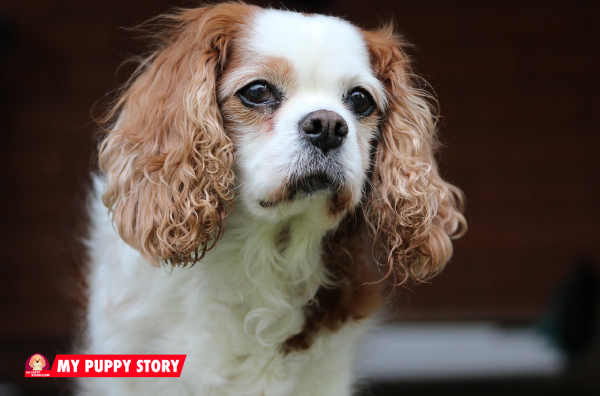
During the sixteenth, seventeenth and eighteenth centuries, Cavalier King Charles Spaniels, often referred to as Cavaliers, were beloved companion dogs, primarily for the British aristocracy. Named after Charles II of England, who was said to have several of these small dogs, the Cavalier lost its popularity during the 19th century. Cavaliers were subsequently interbred and virtually disappeared until the 1920s, when efforts were made by an American dog fancier to bring the breed back. By the 1950s, the first Cavaliers were brought to America.

Cavaliers’ Temperament

Cavalier King Charles Spaniels are excellent family dogs. Because of their long history as companion pets, their natural disposition is to be sweet and loving, sociable and affectionate. They are devoted dogs who want nothing more than to be near their human companions. Cavaliers are gentle mannered and non-aggressive — they get along well with other family members, including children, seniors, dogs and cats.

Another hallmark trait of this breed is that they are very trusting. Because of this trusting nature however, they have no fear of running up to larger, potentially aggressive dogs that are roaming around dog parks or on the street. As a result, the Cavaliers are vulnerable to being hurt by an aggressive dog. It’s very important, therefore, to keep a Cavalier King Charles Spaniel on a leash when walking it and/or to have a fence securing its home.

In addition to having a sweet temperament, and getting along well with people, Cavaliers are great pets for other reasons as well. Adaptable to a variety of situations, Cavaliers can live in the city or county, in an apartment or large house. They can thrive with a single person or with a family. These dogs enjoy taking long walks with their owners, or they are just as happy with short spurts of exercise around the house.

Cavaliers’ Grooming Needs

The Cavalier King Charles Spaniel has a silky coat that is easy to groom. This dog generally requires brushing with a slicker brush and comb approximately once per week. Depending on the condition of the individual Cavalier’s coat, it can be brushed more frequently if needed. Additional grooming requirements include bathing, nail clipping, cleaning the area around their eyes and ears, and brushing their teeth.

How to House Break a Puppy or Young Dog: Toilet Training for Puppies

mypuppystory.com

Careful training at an early age is the key to having a socially-adept, friendly and well-behaved dog in later life. However, many people feel confused by the difficulties a puppy can cause, and are not sure how to go about house-breaking their new pet.

The First Principle of House Breaking

The objective of house-breaking is to teach your puppy from a very early age that it is not acceptable to mess indoors. This is a daunting task, as a young puppy has no idea why it is wrong to wee on the carpet, and therefore will not understand initially why it is OK to go to the toilet outside, but not indoors.

The first principle of having a well-adjusted, secure and happy puppy is to start crate training. A crate is a large metal-framed ‘cage’ with a warm bed in it, which is secure, well-ventilated and safe. All major pet retailers sell them. The crate has a number of benefits:

  • Gives much-needed peace to the owner when the puppy gets to be too much
  • Encourages the puppy to learn to be alone, making future separation anxiety unlikely
  • Offers the pup a safe, cozy and inviolable space which is just for him
  • Offers the basics needed for effective house-breaking.

To crate train, put the crate in a safe warm place and line half of it with paper of a puppy pad, and half with a lovely cozy bed. Lock the puppy in at night when it is time to sleep. Get him used to it as a warm space which is all his own. Never use the crate as a punishment. In a few days, the pup will learn that his bed in the crate is a great thing, and choose to go there by himself rather than being told to! It is impossible to underestimate the usefulness of a crate – the pup can go in if an owner has to pop out for a while, and it keeps him feeling secure and happy.

Starting to House-Break

Here are the rules of simple house-training.

Keep the pup in a small enclosed area from ages 0 – 8 weeks. The kitchen is perfect for this as lino is easy to clean! Keep the crate in the kitchen too. Put a puppy pad or newspaper down by the door, and spray it with a special training aid, which makes the pad smell irresistible for the pup to use.

  • Praise the pup every time he goes on the pad or paper, and ignore any accidents (these are inevitable, don’t draw any attention to them at all)
  • Clean up any mess as soon as possible after it has been done
  • By 10 weeks, the pup should be in control of his bladder and bowel to the extent that he can use the pad when required.

Treat all messes on the carpet or floor with a spray designed to eliminate odour, to prevent reoccurrence in the same place.

Training From 3 Months Onwards

  • After the pup has had all his vaccinations, he can start to go outside on a lead. When he wakes up first thing in the morning, go straight to him, let him out of the crate and take him out without delay
  • Wait until he does his business outside, and shower him with praise
  • Repeat this twenty minutes after each meal or drink, when he wakes up, first thing in the morning and last thing at night.

Gradually, the pup will learn that outside wees are good, and inside ones are not good.

Pups are usually highly intelligent, clean and desperate to please their owners. By using praise and encouragement each time the pup does well, the messages will gradually sink in and he will be house-broken. At twelve weeks, with the use of a single pad by the door, the puppy will be sufficiently trained to ensure no more messes in the wrong places.

Beginning Training for a Dog

From the time a dog steps foot into a home, a training regime should be implemented. Having order lets the dog know that it can’t have free reign.

Being a firm, but understanding, leader is important. Cesar Millan sums up what all beginning trainers should remember, “Don’t be aggressive, be dominant.”

Potty Training

The dreaded bathroom training is the best place to start. Make sure to use a leash, as it helps to keep the dog from getting distracted and wasting time.

Make a designated spot for eliminating. Find a tree or plot that will be its “bathroom” so it will go there every time, which also makes clean up easier.

If the dog has an accident inside, don’t get upset and punish. Clean up the mess and put the dog in a crate for a little alone time. This will teach it that it is not good, but not that the dog is bad.

Leash Training

Many people can think that leash training can be almost not worth trying, but it is does result in a well-behaved walker.

Leash pulling is the number one problem. Start training in an area where the dog won’t find distractions easily. Use treats to keep it at your side, and stop walking if it starts to tug.

Mix up the walk by the pace and the direction. This will keep the pup alert and ready to follow you, instead of it leading you.

Bark Training

Barking can be a nuisance, but attended to early enough, it can be controlled. Some breeds are prone to barking because it is in their genetics, so training them might take some extra time.

Find what instigates the barking, then keep track of how long it takes for the dog to calm down. This will help identify what to really focus on.

Be firm but not harsh when reprimanding. Don’t hit or scream, and definitely don’t give up if the dog won’t stop.

Keep an ear out for when the dog isn’t yelping. This is a good time to praise for good behavior and will help the dog understand that quiet is preferred in the household.

Jumping Training

Some dogs look adorable when they get jumpy, but others could knock you down. Teaching a dog not to tackle you or anyone else will save you a lot of trouble.

Stay consistent, even if it means the dog can’t play “jump up” with your family. Let every visitor have the option to know that turning away from the dog is okay, and that it will encourage them to stop leaping up.

Use a leash if the dog if comfortable, because a leash will be a firm force to tell the dog “no” without being mean.

Stopping a jumper will take time, but invest as much time as possible, and make sure to introduce various situations so they will be ready for anything.

Training Your New Puppy: How to Teach a Young Dog Basic Commands

There are some basic behaviors that need to be taught to a new puppy and reinforced throughout the first few months they are settling into a new home. The most important of these is house-training, especially if you plan on keeping you puppy in an apartment.

Training Basics

The first thing you need to do is teach the puppy its name. Have a name picked out when you bring the puppy home and call it by its name all the time, rewarding it with attention and praise when it responds. Training needs to start as soon as the puppy is settled. You can decide to train the puppy yourself, or go to an obedience training school. If your puppy is not house broken, you will need to do so yourself. The only thing you need for training is time, about fifteen minutes a day, consistency and something to treat the puppy with when it does something right.

Reward and Punishment

Dogs can be trained to obey multiple commands and perform tricks too. The only reason they will do so, however, is because they want to. You can’t force a dog to learn a command, so figure out early how to make it worth his or her while to put up with training. Most trainers will have small food pellets (cat or dog) that the dog will be given when it obeys a command, but you can also train using a toy instead.

Make sure you nip bag behavior in the bud, since bad habits are very hard to break. Be consistent in your methods, and make sure the same person is training the puppy every day. Don’t mistreat or hit the puppy when it does something wrong, that will only make it scared of you and is not an effective way to train a puppy.

House-Training

If your puppy is not house-trained make sure that is the first training you do. The puppy will have a small bowel and bladder and needs to “go” every few hours. Be prepared for a few accidents before the training catches on.

To start with, take the puppy out after every meal, and every time it wakes up or finishes playing. If you see the puppy sniffing the ground and/or pawing it, take it out immediately. Over time, the puppy will start telling you when it needs to go outside by standing in front of the door.

To stop the puppy from eliminating in the house at night, confine it to a pen that is just large enough for it to stand and turn around in. The puppy won’t eliminate in such a small area since it has to sleep there too. Just make sure someone lets the puppy out early in the morning.

Behavioral Problems

Some owners allow bad habits to form, and then put the dog up for adoption as they can’t deal with it. While it may be cute to allow a puppy to jump all over you, or sit on your favorite couch, you have to remember that this puppy is going to grow into a full-sized dog. Do not allow your puppy to pick up any habits you don’t want it to have when it’s older.

How to Stop Dogs Chewing Inappropriate Items

As any dog owner will know, most puppies (as well as some adult dogs) left alone in the home will be likely to find something to chew on that is either inappropriate or damages the item. Clearly, prevention is better than cure, but to avoid having to keep every shoe, sock or book out of reach, it is worth training one’s dog on which items are fair game and which must be left alone.

How to Stop Dogs Chewing Inappropriate Items – Anti-Chew Spray

When puppies or adult dogs get into the habit of chewing whatever they fancy, it does not take long for one small dog to cause complete chaos within the family home. Therefore, it is best to put a lid on such unhelpful behaviour, as early as possible, to avoid it becoming habitual. One method to prevent dogs from chewing shoes is to simply head to the nearest pet store and purchase a special dog anti-chew spray.

Dog anti-chew sprays are cheap, easy and convenient to use and far less expensive than having to buy new slippers, socks and shoe-laces on a regular basis. Before purchasing an anti-chew spray, always make sure it is non-toxic and safe for both pets and younger members of the family. The idea of using an anti-chew spray is that once it has been sprayed on a pair of slippers and the dog tries to have a chew, it will taste rather unpleasant, making it unappealing and very unlikely to be touched again.

Training Dogs Not to Chew on Inappropriate Items

As an alternative method to using anti-chew sprays, there are some very simple training steps that can help, according to Davis in Dog Basics, which include:

  • Throwing a rattle pot near the chewing dog to interrupt chewing
  • Simply shake a rattle pot if dog very sensitive
  • Quickly replace item with a chewable toy or chew treat
  • Encourage the dog to take this alternative item
  • Give the dog an activity toy filled with tasty treats to keep entertained

If none of the above methods works to stop dogs from chewing up items, then the best way to get them to stop is to always keep any shoes or slipper out of harm’s reach, either in the porch or in a cupboard. Some dogs chew when they have dental problems, so it is also worth getting a dog’s teeth checked out by the vet.

As highlighted above, training dogs not to chew up the home, will save a fortune on having to replace destroyed items. Key methods include using dog anti-chew sprays, activity toys filled with treats an interrupting chewing with a rattle pot, followed by replacing the item with something fun.

Choose a Suitable Dog Breed

If you are considering adding a dog to your family, there are things that you will need to take into consideration first. Remember, dogs are self sufficient to a degree, but they will require training, walking and playtime. Unlike a cat, you most likely will have to take your dog outside for calls of nature, meaning someone in your family will have to be responsible for that. Another consideration when you are considering a dog is what breed you will select. Some breeds do well in smaller homes, some do well with children and others are more difficult. Here are some hints that you can use to choose a dog breed.

Temperament

One of the first things to consider when you are trying to choose a suitable dog breed is temperament. Dogs who are very hyper are probably not the best dog to own if you are older and do not have the time to spend a lot of time playing with them or walking them. Dogs who tend to be jumpy around children will not do well if you have a steady stream of children in and out of your home.

Yard and home size

If you live in an apartment, when you are trying to choose a suitable dog breed, make sure that you have sufficient space to accommodate their needs. A small dog such as a Pomeranian, Min Pin or other small breed may do well in a small home while a dog like a Golden Retriever needs far more room to wander around. Remember, the bigger the breed, the more likely you are to need a fenced in yard to allow them play time.

Training and exercise

Other considerations when you are trying to choose a suitable dog breed include the amount of training and exercise they will require. If you are selecting a puppy they will need a lot of training and exercise. Puppies have a lot of excess energy that you can help them burn off by walking. Older dogs may need only minor training and not require a lot of additional exercise beyond a daily walk.

Daily habits

If everyone in your home is gone from early in the morning until late in the evening, you need to make sure that when you are trying to choose a suitable dog breed that you get a dog that can be left alone for long periods of time. Those who work from home need not have this concern, but many dogs simply do not do well being alone all day long. In this case, you want to pick a breed that is easy to leave alone or have a neighbor check in on them one or two times a day.

Summary

There are a number of things that you have to take into consideration when you are trying to decide how to choose a suitable dog breed. Having a dog can be a great addition to your family if you put the right amount of thought into it beforehand.

Get Creative on Giving

With the tragedy of Hurricane Katrina, we are all tripping over ourselves, trying to think of meaningful ways that we can help either the people or pets of the Gulf Coast. If you are still looking for things you can do, here are a few ideas that might get your creative juices flowing.

Think Locally

Often in times of disaster, we tend to focus on how we can help in the big picture, totally missing out on meaningful contributions that we can make on a local level. Case in point, let me tell you about one of my local humane societies, The Humane Society of the Tennessee Valley. After Katrina, this organization opened it’s doors to the pets and families that had been effected. Not only did they prepare to take in abandoned animals, but they volunteered to board, free of charge, pets for any evacuee until families could get back into a situation where they could care for that pet. In conjunction with the University of Tennessee Vet School, they also offered free health checks, vaccinations, and microchips for the pets belonging to anyone who showed up with a drivers license from one of the effected states. Even the Knoxville Zoo stepped forward to house pets that were a little too “exotic” to be cared for at the Humane Society’s facilities (last I heard, that included a hedgehog and a couple of snakes).

Obviously, with a sudden influx in animals, a shelter would need supplies. Soon the cry went out for old towels or anything else that could be used as beds, bowls, toys, leashes, or any of a number of things that most dog owners might have lying around their house.

Does your dog have any toys that it doesn’t play with? Did you just buy a new dog bed, but haven’t thrown away the old, yet? What about those frayed old towels that you were keeping around to wash the car or dust your house with? What about buying two bags of food next time you are out, instead of just one.

Also, keep in mind that local humane societies actually receive very little monetary support from any national organizations. So most of these services are coming right out of that local budget. So don’t feel hesitant about making a donation to a local level shelter, either one near you that is taking in hurricane animals or one in the Gulf States themselves (a web search can probably pull up the names of any number of effected shelters). You can rest assured that your donation or supplies will be greatly appreciated.